How To Check Quality Of Water

You pour a glass of water without thinking—it’s just water, right? But that clear sip holds a story, one that might involve ancient aquifers, municipal pipes, or even a rogue...
You pour a glass of water without thinking—it’s just water, right? But that clear sip holds a story, one that might involve ancient aquifers, municipal pipes, or even a rogue lead solder joint. Knowing how to check its quality isn’t just for survivalists or science geeks; it’s a small, satisfying act of self-care for your modern life. Think of it as a gentle conversation with your tap, a way to ensure every gulp is as crisp as a morning in the mountains.
Your Five Senses Are the First Line of Defense
Before you order a fancy test kit, just look at it. A cloudy appearance after the glass sits for a minute might mean tiny air bubbles (harmless and temporary), but persistent murkiness could signal sediment or even bacterial growth. Swirl it gently. Does it leave a film on the glass? That’s a subtle clue about mineral content or—less charming—organic compounds.
Now, bring that glass to your nose for a discreet sniff. A whiff of swimming pool bleach screams excessive chlorine, while an earthy, musty aroma often points to decaying organic matter in the source. If it smells like a damp basement, your pipes or water heater might need a spring cleaning. And yes, that classic “rotten egg” odor? That’s hydrogen sulfide gas—usually harmless, but it can corrode your plumbing over time.
Must Read
Take a tiny sip and swish it around your mouth like a wine connoisseur. A metallic taste often means iron or copper leached from old pipes, while a salty tang hints at high mineral content or, rarely, a leak from a water softener. Water should taste like, well, nothing—a clean, neutral palette that refreshes without announcing itself.
The Cultural Taste Test
Fun fact: In Japan, some tea masters still use water from specific rain-collection systems, believing its softness elevates the ceremony. Meanwhile, Parisians famously debate the merits of their harder tap water versus the bottled stuff. Your personal taste threshold is cultural too—so trust your palate, but verify it with science.
The Science of a Quick Home Test
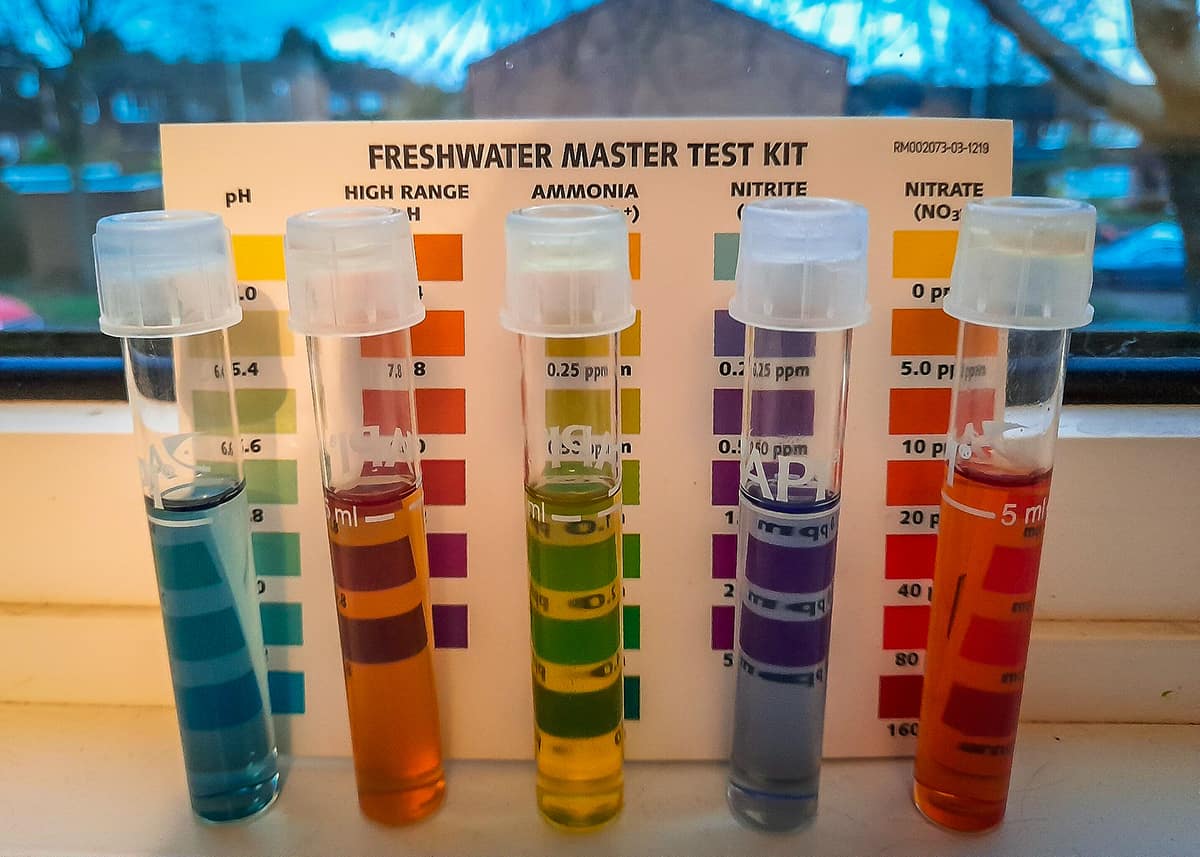
You don’t need a lab coat. Head to your local hardware store or online retailer for a simple at-home testing kit. These usually come with strips or small vials that change color when dipped in water. They’ll check pH, hardness, chlorine, nitrates, and sometimes lead—the usual suspects in a household’s water drama.
For example, a pH strip that reads below 6.5 suggests acidic water, which can slowly dissolve copper pipes and leave you with that metallic taste. Above 8.5 is alkaline, often harmless but can cause scale buildup in your kettle. Nitrates creeping above 10 ppm? That’s a red flag from nearby agricultural runoff—great for fertilizing fields, not for your kidneys.
 How to Test Water Quality at Home: Your Complete Guide – World Water
Remember: one test is a snapshot, not a saga. Seasonal changes (like spring thaw or heavy rain) can alter water quality dramatically. Test the same source every three months to spot trends before they become problems.
A Quick Tip for the Overachievers
Fill a clear glass jar halfway with tap water, screw the lid on tight, and shake it vigorously. Let it sit for 15 minutes. If you see a layer of white foam or suds, congratulations—you’ve just discovered soap residue from your dishwasher or washing machine. No foam? Your water is likely soft and friendly.
When to Call in the Pros (and When Not to)
A professional water test is overkill for everyday curiosity—but invaluable if you live near old industry, use a private well, or have children under six. Labs can detect heavy metals, pesticides, and microbial contaminants that home kits miss. The Environmental Protection Agency (EPA) even offers a Safe Drinking Water Hotline (800-426-4791) to help you find certified labs in your area.
Yet here’s the fun twist: most municipal water in developed countries is rigorously tested. In the U.S., your annual Consumer Confidence Report—yes, that unread pamphlet from your utility—spills all the data. Check it online or request a copy. You might discover your town brags about its low lead levels like a parent bragging about a child’s SAT scores.
On the other hand, if you’re drinking from a rainwater tank or a old stone well, hire a professional every year. That romantic farmhouse aesthetic loses its charm when you’re battling coliform bacteria.
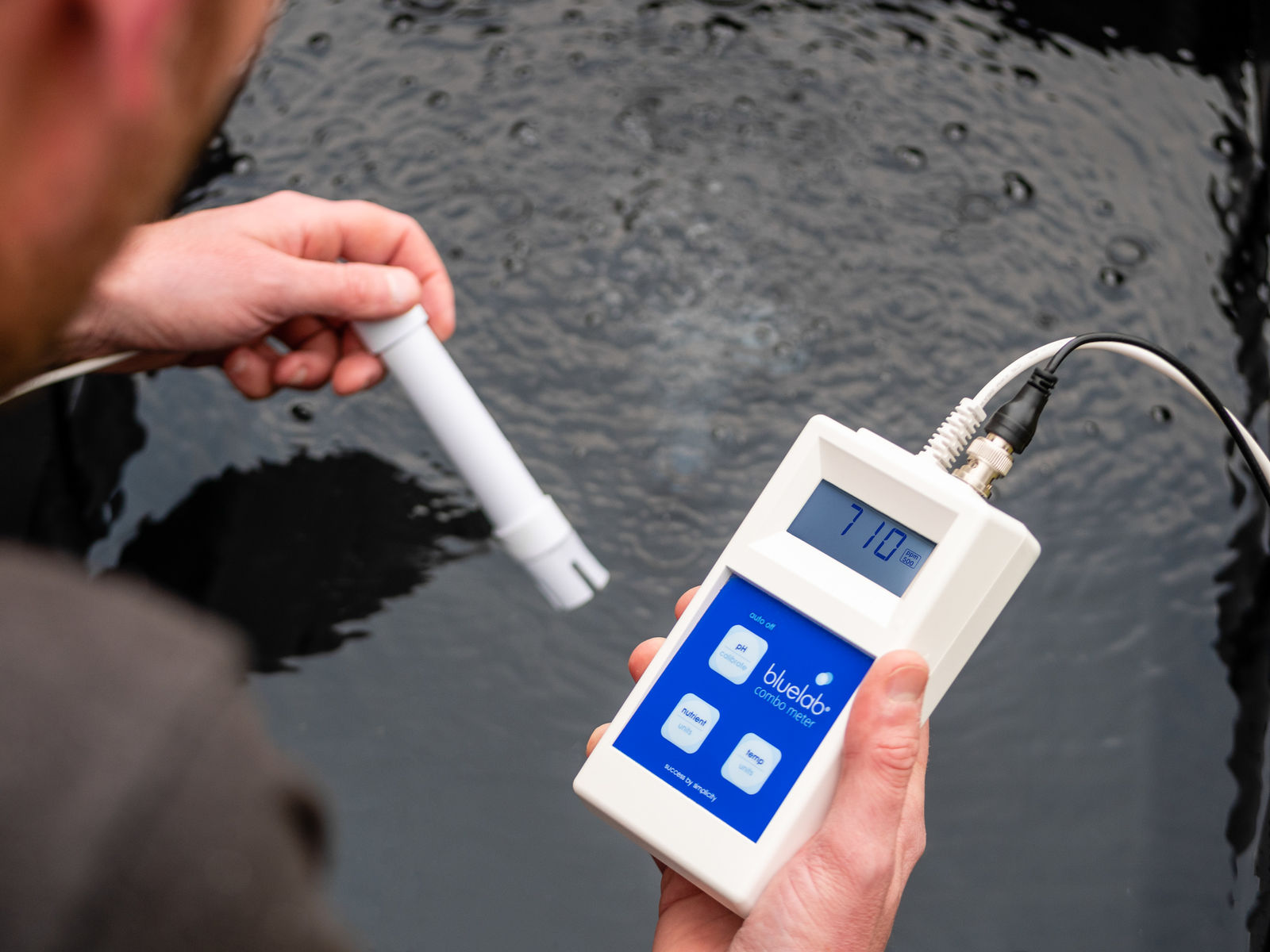 Water Quality Testing Adelaide at Joseph Florence blog
Filtration: The Art of the Upgrade
Once you’ve identified the problem, choose your weapon. A carbon filter pitcher (like Brita or PUR) removes chlorine, sediment, and bad taste—perfect for the apartment renter wanting a fresher cup of tea. A reverse osmosis system under your sink is a ninja: it strips out almost everything, including beneficial minerals, so you’ll need to remineralize for top-tier taste.
Fun fact: The oldest known water filter was a layered system of sand, charcoal, and gravel used over 4,000 years ago in India. Modern technology is just a fancier version of that ancient wisdom. Consider a ceramic filter for a low-tech, bohemian vibe that still kills bacteria.
Whatever you choose, clean your filter regularly. A neglected filter becomes a petri dish. Replace cartridges on schedule—your taste buds will thank you with every ice cube.
A Final Sip of Reflection
Checking your water quality isn’t about paranoia; it’s about presence. That glass of water you’re about to drink connects you to local geology, municipal engineering, and your own body’s need for balance. It’s a small act of noticing—like listening to the rhythm of your breathing or the hum of your fridge.
Next time you fill a glass, pause for a second. Look. Smell. Taste. You might just find that the simplest element in your home holds more sophistication than you ever imagined. And when you take that first sip, feel the coolness slide down, knowing you’ve chosen clarity—not just for your water, but for your entire day.
