How To Clean Hard Water Stain

Let's be real: hard water stains are like that one guest who overstays their welcome, leaves a mess, and then acts like they own the place. You know the ones—those chalky, whi...
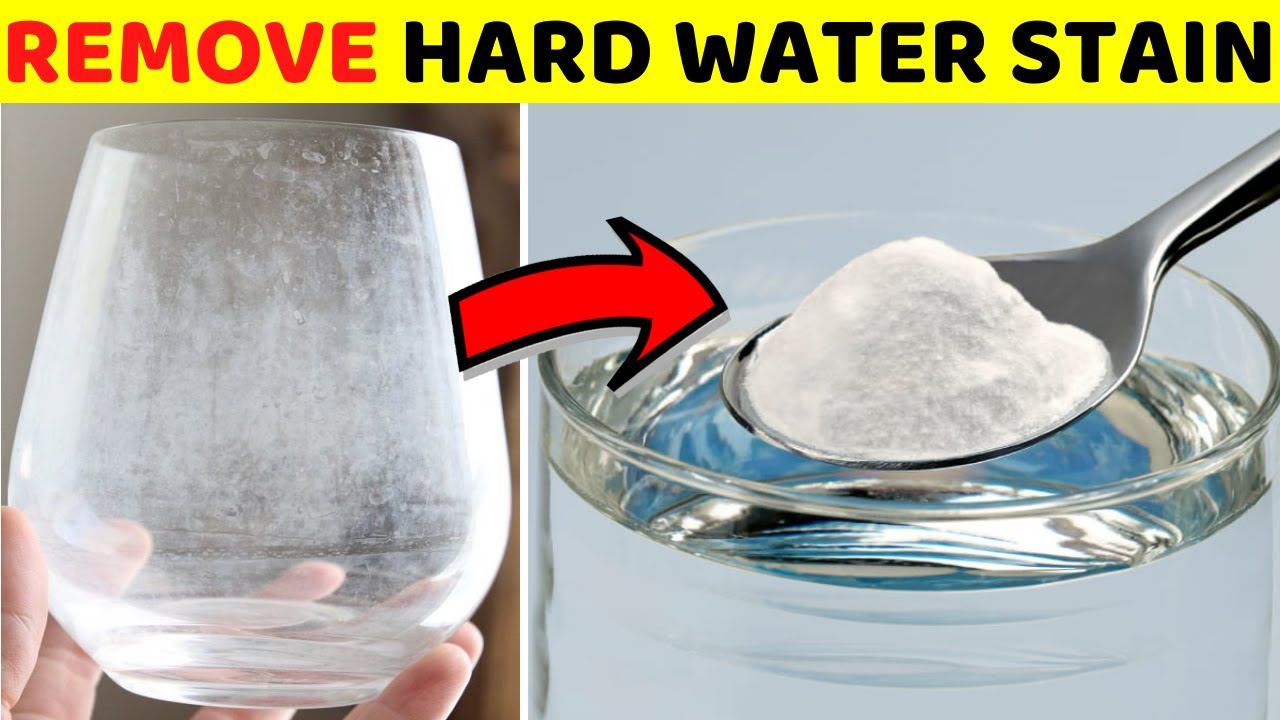
Let's be real: hard water stains are like that one guest who overstays their welcome, leaves a mess, and then acts like they own the place. You know the ones—those chalky, white, or crusty spots that appear on your sparkling glass shower door, your favorite coffee mug, or your bathroom faucet. They’re not just ugly; they’re a passive-aggressive reminder that your water has a serious mineral addiction.
I remember the first time I saw a hard water stain on my brand-new kettle. It looked like a tiny, grim fossil that had decided to colonize the spout. I tried scrubbing it with a regular sponge, and I swear the stain laughed at me. It’s like trying to remove a tattoo with a napkin—futile and slightly embarrassing.
So, how do you fight back against these mineral menaces without losing your sanity? First, you need to understand that hard water stains are just calcium and magnesium deposits. They’re basically the rejected leftovers from your water’s rock concert. The good news? You don’t need a chemistry degree or a hazmat suit to win this war.
Must Read
The Secret Weapon: Vinegar
White vinegar is the superhero of the kitchen and bathroom. It’s cheap, it smells a bit like a pickle’s angry cousin while you use it, but it’s ridiculously effective. Think of it as the Kryptonite for those stubborn, white blotches.
For glass shower doors, mix equal parts white vinegar and water in a spray bottle. Spritz it on, let it sit for 5-10 minutes, and then wipe with a microfiber cloth. The stains will dissolve like a bad mood after coffee.
If you have a faucet or showerhead covered in crusty residue, grab a plastic sandwich bag. Fill it with undiluted vinegar, tie it around the fixture with a rubber band, and let it soak overnight. It’s like giving your faucet a relaxing spa treatment—except the spa smells like salad dressing, and the results are amazing.
What About Coffee Makers and Kettles?
Oh, those poor little appliances. They work hard, and hard water stains treat them like a personal punching bag. To clean a coffee maker, run a cycle with equal parts white vinegar and water. Then, run two or three cycles with plain water to rinse it out. Your next cup of coffee will taste like victory, not mineral grit.
 How to remove calcium from faucet hard water stain removal easy green
For a kettle, simply boil a mixture of one part vinegar to two parts water. Let it sit for 20 minutes, then pour it out and scrub with a sponge. The stains will fall off like an overworked employee on the last day of vacation.
The Alternative: Lemon Juice
If the smell of vinegar makes you feel like you’re living in a deli, lemon juice is your best friend. It’s equally acidic and smells fantastic. Use it exactly like vinegar—spray, soak, and wipe. Your bathroom will smell like a fresh summer day, not a forgotten pickle jar.
I once had a friend who used lemon juice on her shower head, and she swore it made her morning shower feel like a citrus-scented revenge. She was right. The only downside? Your cat might think you’ve turned the bathroom into a lemon grove.
A Few Pro Tips (Because We All Need Them)
Don’t use steel wool or abrasive scrubbing pads on glass or shiny chrome. They’ll scratch the surface, and then you’ll have scratches AND stains—a double-whammy of regret. Stick to soft sponges or microfiber cloths.
For stubborn stains that won’t budge, make a paste of baking soda and a little water or vinegar. Rub it gently with a soft cloth. It’s like a gentle exfoliator for your surfaces—they’ll come out glowing, not whining.
 How To Remove Hard Water Stains (6 Easy Methods)
Also, dry your surfaces after cleaning. Hard water stains love nothing more than a wet surface to re-calcify on. A quick wipe-down with a squeegee or towel is the ultimate act of defensive cleaning.
The “Why Bother?” Moment
Look, I get it. Cleaning hard water stains feels like a chore you didn’t sign up for. It’s one of those jobs that seems to reproduce overnight, like gremlins in a science lab. But here’s the truth: once you learn the simple tricks, you’ll feel like a home-care wizard.
Every time I see a spotless glass door now, I nod in approval. It’s like saying, “Not today, minerals.”
A Funny Ending (Because You Deserve It)
One time, I got so overzealous with my vinegar spray that I accidentally misted my houseplant. The plant literally looked at me like I had lost my mind. I apologized to it, and now we have an understanding: vinegar is for the stains, not for the foliage.
So, next time you see those ugly white spots, don’t panic. Grab your vinegar or lemon juice, channel your inner scientist, and remind those stains who’s boss. You’ve got this. And if all else fails, just buy a new shower curtain and pretend it never happened. We’ve all been there.
