Why Ph In Water Is Important

Let’s be honest, most of us don’t think about water. We just stick a glass under the tap, gulp it down, and move on with our day. It’s like the air we breathe—essential, yet i...

Let’s be honest, most of us don’t think about water. We just stick a glass under the tap, gulp it down, and move on with our day. It’s like the air we breathe—essential, yet invisible. But then you take a swig of someone else’s tap water, and it tastes like you just licked a metal pipe. That, my friend, is your first clue that pH in water actually matters.
The Basic Chemistry We All Forgot
Okay, remember that orange juice that made your mouth pucker? That was acidic. Remember that baking soda paste you used on a bee sting? That was basic. pH is just a scale from 0 to 14 that measures how acidic or alkaline something is, with 7 being perfectly neutral—like pure, boring water.
Your tap water should ideally hover around 6.5 to 8.5 pH. If it drops below that, you’re basically drinking weak lemonade without the sugar. If it shoots above, you’re sipping something that feels like it’s trying to dissolve your tongue.
Must Read
Why Your Stomach is Not a Science Lab
I once bought a fancy bottled water from a gas station that claimed to have “alkaline benefits.” The first sip tasted like chalk-flavored pond water. My stomach immediately rebelled, gurgling like a washing machine with a brick inside. That’s because your stomach is naturally very acidic—it’s designed that way to break down your double cheeseburger.
When you drink water that’s way out of whack, you’re forcing your body to work extra hard to balance things out. It’s like asking a professional chef to start cooking with mismatched spatulas. Annoying and inefficient.
The Tell-Tale Signs Your Water is Off
You don’t need a chemistry degree to know something’s wrong. If your water tastes metallic or sour, it’s likely too acidic. This can happen if old pipes are corroding—which also means you might be getting a bonus dose of copper or lead. Yikes.
On the flip side, if your water tastes bitter or feels slimy (yes, slimy), it’s probably too basic. That’s common in areas with hard water. It leaves white crust on your coffee pot and makes your soap refuse to lather. Your shampoo basically gives up halfway through.
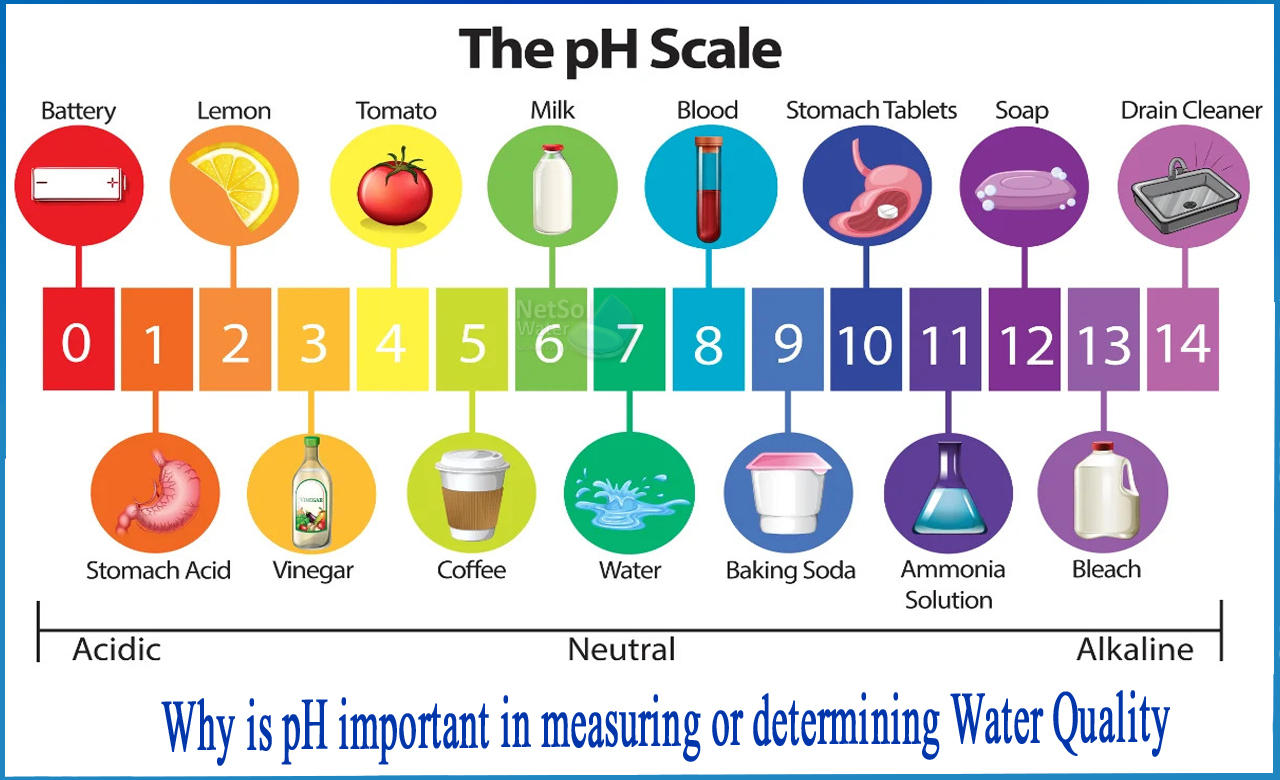 Why is pH important in measuring or determining water quality
My neighbor once installed a reverse osmosis system. He bragged about the “pure” water. Then he admitted his toddler refused to drink it. Turned out the RO water was too acidic—pH 5.5. That’s diet soda territory. He had to add a remineralizing filter just to make it drinkable for a three-year-old.
What About That Weird “Alkaline Water” Trend?
I see people at the gym carrying gallon jugs of alkaline water like it’s holy water. They claim it “neutralizes acidity” and “boosts energy.” Here’s the thing: your body has a masterful system for regulating pH all by itself. Unless you have a specific medical condition, drinking water with a pH of 9 isn’t going to turn you into a superhero.
In fact, drinking extremely basic water can leave you with nausea or indigestion. I tried it once to see what the fuss was about. I felt like I had swallowed a bar of soap. I spent the next hour sipping regular water like a normal person who didn’t fall for marketing.
How pH Messes With Your Coffee and Tea
Here’s a real-world experiment you can do at home. Brew your morning coffee with tap water that’s slightly acidic. Notice how it tastes flat and sour? That’s the pH highlighting the bitter notes you never asked for. Now brew with neutral, balanced water. Bam—suddenly your $12 bag of beans tastes like actual heaven.
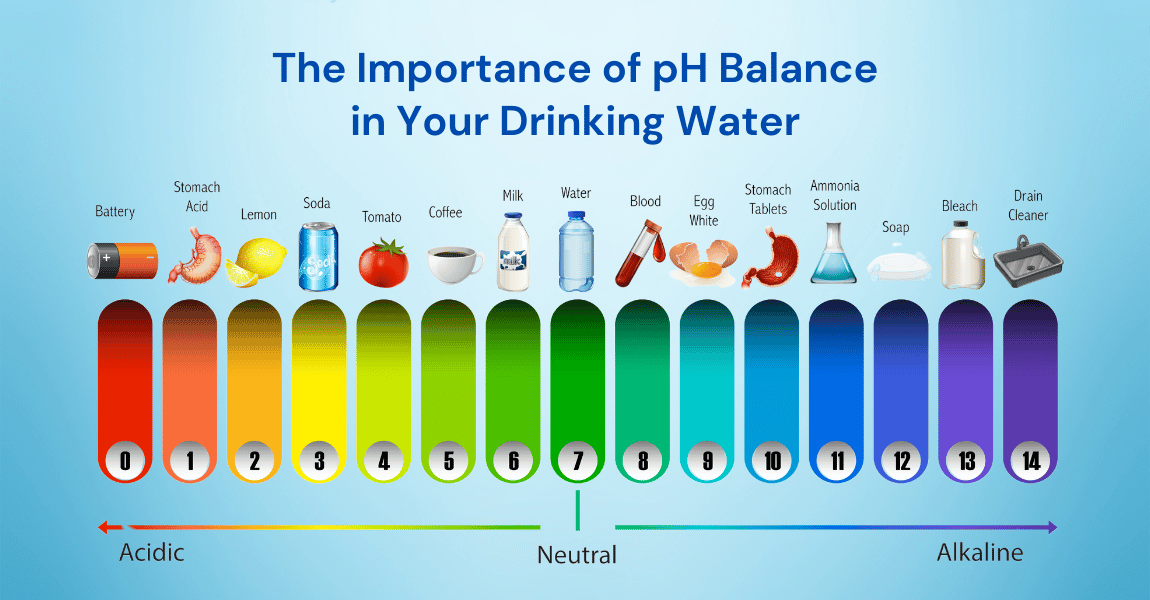 Discover the Importance of pH Balance in Drinking Water for Health
Tea drinkers, you’re not off the hook either. Acidic water makes black tea look murky and brown instead of clear and amber. It’s like dressing up for a party and then spilling a coke on your shirt. Basic water makes it taste like you boiled hay.
The Simple Test You Should Try
You can buy a pH test kit for about ten bucks. Dip a strip in your tap water and wait thirty seconds. If it reads 6.5 or just above, you’re winning. If it’s lower or higher, you might want to consider a filter or a simple pitcher that balances pH.
I did this at a friend’s house after he insisted his well water was “perfect.” The strip turned bright orange—meaning about pH 4.5. That’s closer to orange juice than drinking water. He looked like I had just revealed his dog could fly. He bought a filter the next day.
The Bottom Line (Don’t Panic)
Look, you don’t need to become a water snob. Your body is tough—it can handle the occasional off glass of water. But if you’re noticing that your coffee tastes bad, your kid refuses the tap water, or your pipes are getting cruddy, pH is probably the culprit.
Think of balanced pH water like a good friend: it doesn’t shout, it doesn’t bite, it just supports you quietly. It makes your tea taste right, your stomach happy, and your morning routine a tiny bit better. And honestly, in a world of complicated problems, knowing how to keep your water from tasting like a mistake is a pretty sweet win.
