Does My Area Have Hard Water

Let’s be real—when was the last time you thought about the water coming out of your tap? Probably never. You just turn the knob and expect magic to happen, right? But if your...

Let’s be real—when was the last time you thought about the water coming out of your tap? Probably never. You just turn the knob and expect magic to happen, right? But if your morning coffee tastes a little off, or your shower leaves your skin feeling like sandpaper, it might be time to ask: does my area have hard water?
Hard water is just a fancy term for water that’s packed with minerals like calcium and magnesium. Think of it as water that’s been on a mineral-collecting road trip through underground rock before reaching your home. It’s not dangerous, but it can be a total nuisance in ways you never expected.
How to Spot Hard Water in Your Daily Life
You don’t need a lab coat or a chemistry degree to figure this out. Start by looking at your faucets. If they have a white, chalky buildup that looks like old toothpaste dried on a sink, that’s limescale—a classic hard water calling card.
Must Read
Now, think about your dishes. You run the dishwasher, pull out a glass, and it’s covered in spots that look like tiny, stubborn freckles. Those spots aren’t dirt—they’re minerals that your water left behind like a clingy party guest.
And your laundry? If your white socks have a grayish tint that never fades, or your towels feel stiff no matter how much fabric softener you pour, blame hard water. It’s basically wrapping your clothes in a mineral jacket they didn’t ask for.
The Shower Drama You Didn’t Sign Up For
Let’s talk about the biggest hard water villain: your shower. Ever step out of a hot shower and feel like your skin is a desert that missed the last rain? Or your hair feels like it’s covered in a thin, invisible film? That’s hard water bonding with your soap to create a sticky residue called soap scum.
It’s like washing your hair with a chalky lotion instead of clean water. Your shampoo can’t lather properly, so you use more, and then your scalp feels confused. You end up fighting an invisible war every morning—and hard water is winning.
Even your pipes aren’t safe. Over time, mineral buildup can clog your plumbing, making your water pressure droop like a tired balloon. It’s a slow, quiet problem that only plumbers get excited about.
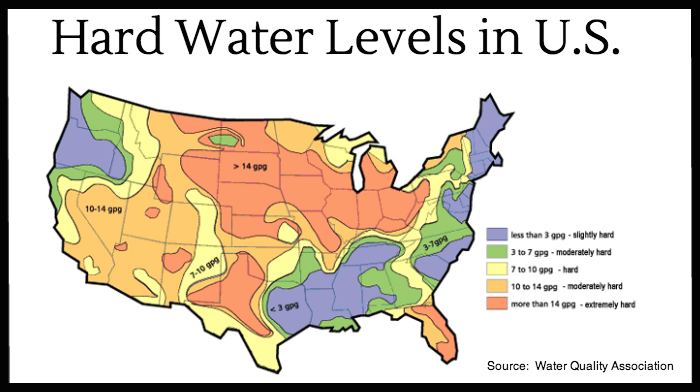 Hard Water Hotspots: A US Guide
Why You Should Care (Beyond Annoying Spots)
Okay, so your water is being a bit extra—why does it matter? Because hard water can hit your wallet. Appliances like your dishwasher, washing machine, and water heater have to work harder, which means they break down sooner. A water heater with heavy mineral buildup can waste energy like a teenager leaving the fridge open.
You’ll also spend more on soap and detergent. Hard water fights your cleaning products, so you need double the amount to get the same result. It’s like trying to wash mud off a car with a spray bottle—why make life harder than it needs to be?
And don’t forget your skin. Hard water can dry out your skin and exacerbate conditions like eczema. That “winter itch” you get in summer? Might just be your tap water being a bit too mineral-rich for comfort.
The Fun Way to Check for Hard Water
You don’t need to buy a fancy test kit right away. Try the soap test at home: fill a clear bottle with tap water, add a few drops of plain liquid soap (no fancy stuff), cap it, and shake it like you’re making a cocktail. If the water gets cloudy and barely suds up, congrats—you’ve got hard water.
Or ask your local water utility. Most areas have a report online that tells you exactly how hard your water is, usually measured in grains per gallon. If it’s above 7 grains, you’re in hard water territory. Some places, like parts of the Midwest and Southwest, are notorious for this.
Still curious? Look at your neighbors’ driveways. If every car has white spots after a rinse, that’s a telltale sign of mineral-rich water. It’s like a secret handshake for your whole community.
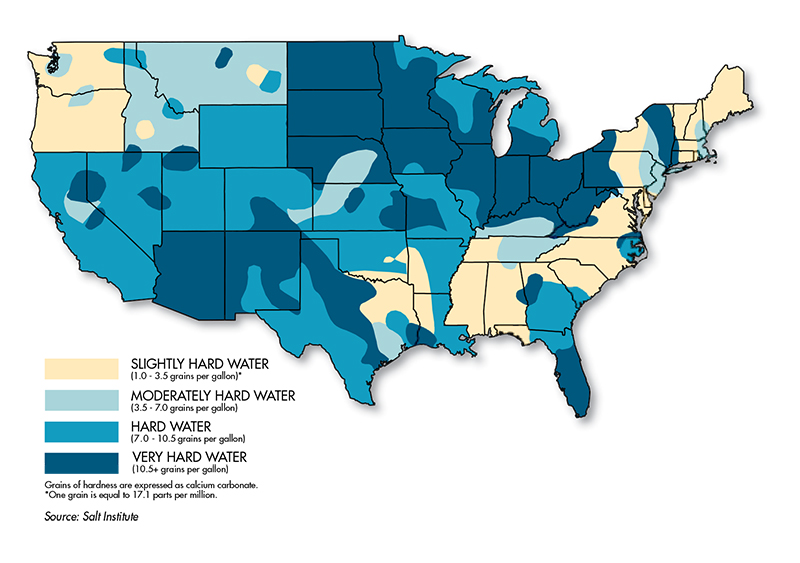 Hard Water Areas | Sun Soft® Water Softening Salt
What to Do If You Have Hard Water
If you’ve confirmed your area has hard water, don’t panic. A water softener is the classic solution—it swaps those clingy minerals for sodium or potassium, making your water “soft” and silky. Installing one can be a game-changer for your hair, skin, and coffee maker.
Or you can install a whole-house filtration system if you want to keep the minerals but remove other yucky stuff. Some people even use vinegar to clean limescale off faucets—it’s cheap, natural, and works like a charm.
And honestly, you can also just live with it. Many folks do, and they just buy a stronger shampoo and a bottle of descaling solution. But once you notice those freckles on your glasses, you’ll never unsee them.
The Bottom Line (It’s Not That Scary)
Hard water isn’t a monster under your bed—it’s just a little annoying, like a neighbor who always borrows sugar. It’s common, fixable, and definitely not worth losing sleep over. But knowing if you have it helps you stop fighting invisible battles.
So go ahead, do the soap test, check your faucets, and give your coffee maker a side-eye. Your water might be talking to you—and it’s time you listened. Because clean, happy water makes everything easier, from your morning brew to your evening shower.
And remember, you’re not alone. Millions of people have limescale on their showerheads and still manage to laugh about it. So grab a bottle, shake it, and find out if your area has hard water. Your skin and your socks will thank you.
