Water Meter How Does It Work

Ever stopped to think about that little contraption in your basement or buried near the curb? You know the one—it's usually round, a bit dusty, and has a spinning dial that lo...

Ever stopped to think about that little contraption in your basement or buried near the curb? You know the one—it's usually round, a bit dusty, and has a spinning dial that looks like a tiny race track. That’s your water meter, and it’s a lot more interesting than it gets credit for.
Think of it as the heartbeat of your home’s plumbing. Just like your car’s odometer tracks miles, this clever device tracks every gallon of water that flows into your house. It’s the quiet accountant working behind the scenes, making sure your bill actually matches what you use.
So, how does this little box actually work?
I promise, no engineering degree required. The secret is a simple little wheel inside called an impeller. Imagine a tiny plastic pinwheel, but instead of wind, it’s pushed by the flow of water rushing past.
Must Read
As you turn on your kitchen faucet to rinse a dish, that stream of water spins the impeller. Each spin is perfectly measured, and a set of gears translates those spins into the numbers you see on the dial. It’s like a tiny water-powered Ferris wheel, just counting away.
Most modern meters use a magnetic drive to keep things safe. The spinning parts are sealed away from the water to avoid rust or leaks. That little magnet outside the water compartment turns a gear above it, which moves those neat little digital-looking numbers.
Why should you care about a thing you rarely see?
Because it’s the most honest member of your household. It won’t sugarcoat that long shower you took after a stressful day. It won’t forget that running the sprinkler for an hour uses a lot of H₂O. It’s pure, unbiased data.
It also helps you spot trouble before it becomes a disaster. Imagine waking up to a flooded hallway from a burst pipe. A leaky toilet can waste hundreds of gallons a month. Your meter is your early warning system if you keep an eye on it.
Here’s a lifehack you can try tonight: Before bed, turn off all the taps and water-using appliances. Then go look at your meter. Write down the numbers. In the morning, check it again. If the numbers changed while everyone was asleep, you’ve got a sneaky leak somewhere.
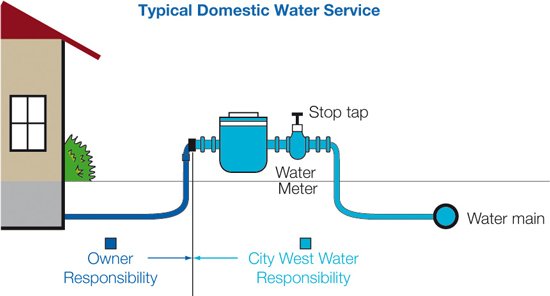 How Does A Water Supply System Work - Design Talk
A little story from the neighborhood.
My friend Sarah once complained her water bill had mysteriously doubled. She blamed her kids, she blamed the weather, she even blamed her husband’s new obsession with gardening. Then I told her to check the meter with everything off. It was still slowly spinning. Turns out, a tiny plastic flap in her basement toilet was stuck open, silently wasting a steady trickle. Her meter caught the lie!
Repairing that little flap cost less than five bucks. Her next bill dropped right back to normal. The meter didn’t wag its finger at her—it just told the truth. That’s a pretty good friend to have.
The different personalities of water meters.
You might encounter a few types. The old-school ones have a sweeping red hand and a series of odometer wheels, like a classic car speedometer. They’re charmingly mechanical and feel a bit retro.
Newer meters use digital registers with LCD screens. Some even transmit your usage wirelessly to the water company, so no one has to trudge through your flower bed to read it. It’s like your meter got a smartphone upgrade.
Then there are the high-tech “smart” meters. These can break down your water use by the hour. You can see exactly how much you used during your morning shower versus the evening dishwasher cycle. It’s like a Fitbit for your home’s hydration.
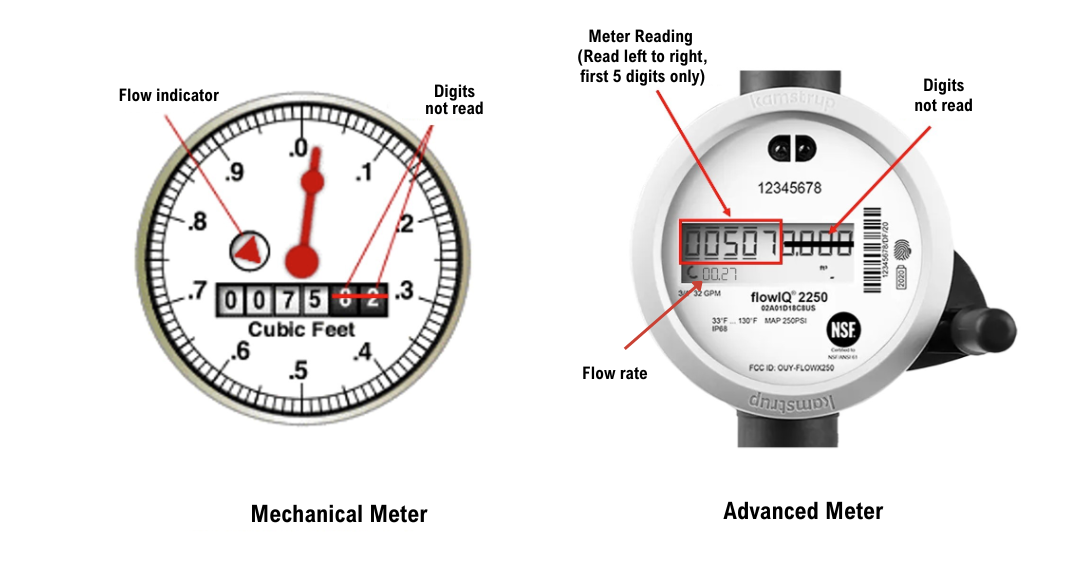 How Does A Digital Water Meter Work
But really, why does this matter over your morning coffee?
Because knowledge is power—and in this case, power saves you money. Once you understand that every drop registers on that spinning wheel, you start thinking differently. Suddenly, turning off the faucet while brushing your teeth feels less like a chore and more like a small victory for your wallet.
You’ll start noticing that a five-minute shower uses about 10-15 gallons, while a bath might use 35. Your meter translates these everyday actions into cold, hard numbers. And those numbers become choices.
It also connects you to something bigger. Every home, every apartment, every building has one of these silent listeners. They all feed into the town’s water system, helping cities manage resources. Your little meter is part of a huge, invisible network that keeps your community wet and happy.
So next time you walk past that round lid in the ground or that box in the utility closet, give it a little nod. It’s not just a piece of plumbing—it’s your personal water detective, your bill’s referee, and a tiny reminder that every splash, every rinse, every sip has a measureable footprint.
Isn’t it nice to know something so small works so hard, without ever asking for a thank you? Just a quick glance now and then is all it needs. And it might just help you find that leaky hose or that overly ambitious sprinkler schedule. Your meter is on your side. Trust it.
