Why Is My Well Water Yellow

So there I was, last Tuesday morning, pouring a glass of water from the tap. I took a sip and nearly spit it out—it looked like weak iced tea. My first thought? “Did the pipes...

So there I was, last Tuesday morning, pouring a glass of water from the tap. I took a sip and nearly spit it out—it looked like weak iced tea. My first thought? “Did the pipes finally give up on life?” I called my neighbor, who laughed and said, “Welcome to the club.”
If you’re reading this, you’ve probably had a similar moment. You turn on the faucet, and instead of crystal clear water, you get a yellowish or brownish surprise. It’s unsettling, right? But here’s the good news: yellow water is usually not a health emergency—more of a plumbing drama.
The Usual Suspect: Iron and Manganese
Most yellow well water comes from iron or manganese in the groundwater. Think of it as nature’s rust—literally. When iron oxidizes (that’s fancy talk for “it meets air”), it turns water a rusty yellow. Side note: your well isn’t trying to brew you a tea, I promise.
Must Read
Manganese does the same thing, but it often gives water a dark brown or blackish tint. Together, they’re like the troublemaking duo of well water. The color can vary from pale lemon to deep amber, depending on how much metal is hanging out in your aquifer.
Is It Safe to Drink?
Here’s the ironic part: yellow water from iron or manganese is technically safe to drink. Your body actually needs a little iron for red blood cells. But let’s be real—it looks like you’re sipping from a muddy puddle, and that ruins the whole “refreshing” experience.
That said, high levels can leave orange stains on your sinks, toilets, and laundry. Your white socks might start looking like rust-colored relics. And the taste? Metallic. Not exactly a five-star flavor.
One more thing: if the water is reddish-brown and cloudy, that could mean a pipe is rusting out. Check your pipes—especially older galvanized steel ones. They might be singing their swan song.
The Other Culprit: Tannins from Organic Matter
Sometimes yellow water comes from tannins—organic compounds from decaying leaves, roots, or peat. This is more common in shallow wells or areas with lots of vegetation. Think of it as your well water getting a “nature bath.”
 9 Causes Of Smelly Or Yellow Well Water | What Should You Do?
Tannin-colored water looks like weak tea or amber ale. It’s not harmful, but it can smell musty. Super fun when you’re trying to impress dinner guests, right? Most people describe it as “just not right.” And they’re not wrong.
The “Flush and Wait” Trick
Before you panic and call a well driller, try this: run your cold water tap for 10–15 minutes. If the yellow fades, it’s likely sediment settling in the pipes—especially after a heavy rain or if your well pump recently ran. Side note: we’ve all forgotten to flush the pipes after a storm. Guilty.
If it stays yellow, the problem is in your well or aquifer. Time to investigate further. Don’t worry—you’re not alone, and fixing it is usually straightforward.
Solutions That Actually Work
For iron and manganese, the fix is often a water softener or oxidation filter. A softener swaps iron for sodium (like a trade deal, but for water). An oxidation filter turns the dissolved iron into particles it can capture—like a bouncer at a bar who doesn’t let rusty guys in.
For tannins, you need a carbon filter or an anion exchange system. These basically absorb the organic gunk. Your water will taste crisp again, I swear. Pro tip: you can test your water for free at most county health departments. No excuses.
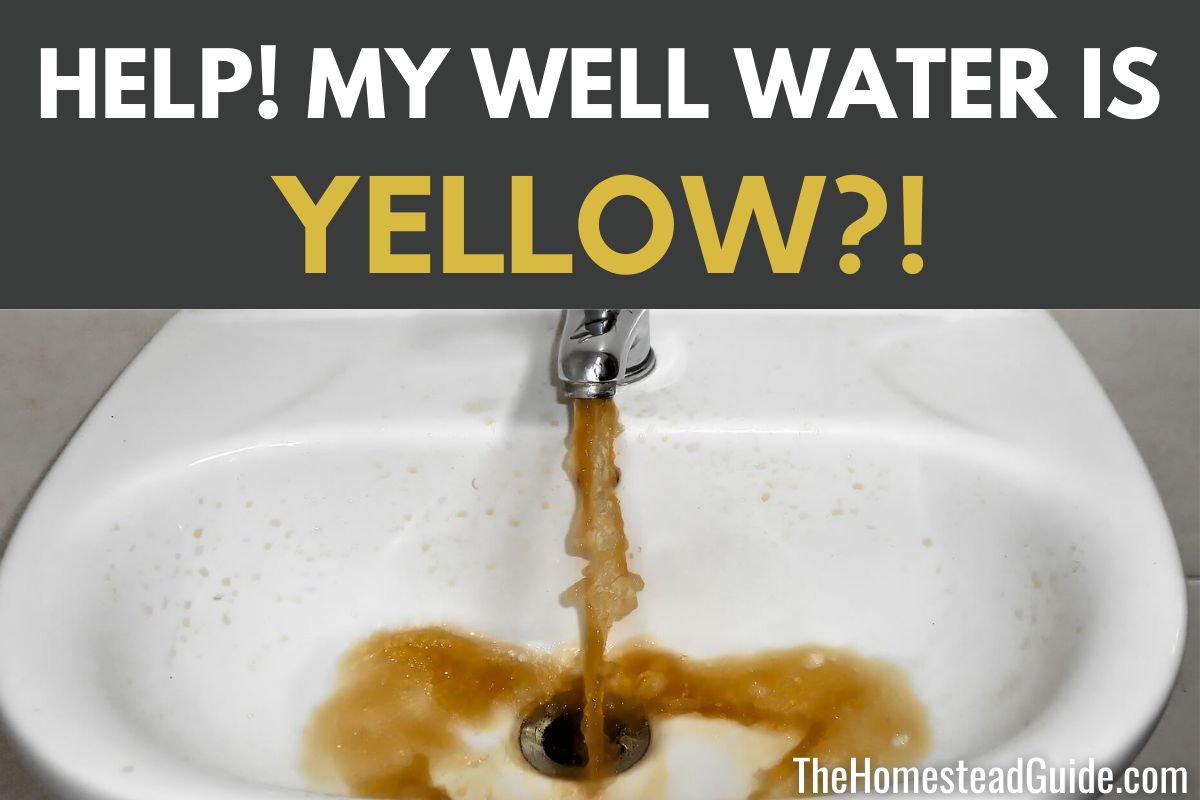 Why is My Well Water Yellow? 6 Causes and How to Fix Them
The “What If It’s Something Worse?” Worry
Yellow water can rarely mean bacterial iron—a slimy, biofilm-forming bacteria that loves iron-rich water. It’s not dangerous to drink, but it can clog pipes and make water smell like rotten eggs. Treatment involves shock chlorination or a continuous disinfection system.
Another possibility: well casing corrosion. If your well is old, metal parts can rust and release yellow particles. This is more common if your water is acidic (low pH). A simple pH test can tell you. Don’t ignore it—acidic water can leach lead or copper from pipes too.
Bottom line? Most yellow water is annoying but fixable. You don’t have to live with “tea-tap” forever.
A Quick, Honest Summary
Your yellow well water is probably just iron, manganese, or tannins doing their thing. It’s like your water’s way of saying, “Hey, I’m raw and unfiltered!” Sure, that’s poetic, but you want clear H2O for your morning coffee, right?
Test your water, choose a treatment system that fits, and enjoy your crystal-clear, stain-free life. Oh, and if someone asks why you have a Brita pitcher big enough to bathe in? Just smile and say “iron artisan water.” They’ll never know.
