What Is Carbonation Made Of

So, you’re cracking open a cold sparkling water, and that fizzy bliss hits your tongue. Ever stop to wonder: what exactly is carbonation made of? It sounds like a science tric...
So, you’re cracking open a cold sparkling water, and that fizzy bliss hits your tongue. Ever stop to wonder: what exactly is carbonation made of? It sounds like a science trick, but I promise it’s simpler than your last grocery receipt.
Let’s get the big reveal out of the way. Carbonation is just carbon dioxide gas—you know, CO₂—dissolved into a liquid under pressure. That’s it. No magic, no tiny bubbles that are actually angry gnomes.
Think of it like this: you’re basically trapping a gas in a liquid prison. Pressure is the jailer, and the moment you twist that cap, the gas escapes like a prisoner breaking for freedom. That’s the fizz you hear and the little splashes you get on your shirt.
Must Read
Now, why does it even work? Doesn’t gas just float away? Normally, yes—if you left a glass of soda out, the CO₂ would drift off and you’d be left with flat, sad syrup. But the magic happens inside the bottle or can, where the pressure forces the gas to dissolve into the water molecules.
I know, I know—sounds like a high school chemistry flashback. But bear with me. When you pressurize the liquid, the CO₂ molecules get all cozy with the water molecules, forming a fizzy union. They’re like awkward dance partners at a party, stuck together until the music (or the seal) stops.
Here’s a fun fact that’ll make you sound smarter at your next barbecue: that fizz is actually a chemical reaction. When CO₂ dissolves in water, it creates a tiny bit of carbonic acid (H₂CO₃). That’s the stuff that gives soda that slight tang—a little sharpness that makes your tongue do a happy dance.
But wait—does that mean you’re drinking acid? Kinda. But don’t panic. Your stomach is already full of hydrochloric acid, which is way stronger. Carbonic acid is so gentle it literally evaporates from your mouth the second the bubbles pop. It’s like a polite guest who leaves before the party gets weird.
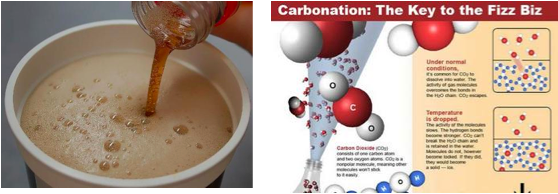 Carbonation For Beverages – The Science Behind Carbonation – EMXE
What about natural carbonation?
You’ve probably seen fancy bottles labeled “naturally carbonated.” Sounds fancy, right? Mostly marketing. Natural carbonation happens when carbon dioxide is produced underground—think volcanic springs or fermentation. Beer gets its bubbles from yeast eating sugar and burping out CO₂. Cheers to yeast gas!
But the stuff in your LaCroix or your Cola? That’s almost always artificially injected CO₂. Manufacturers pump it in under pressure, like a gas station attendant filling a tire—except the tire is your drink, and the air tastes like lime or cherry.
Oh, and here’s a juicy secret: all carbonated drinks use the same carbon dioxide. The difference comes from flavorings, sugar, or the lack thereof. Your sparkling water and your root beer are using the exact same gas. So next time someone says “I only drink craft soda,” you can smirk and say, “Same CO₂, buddy.”
The bubbles you see are actually a stage show.
When you pour a glass, those bubbles are CO₂ escaping the liquid because the pressure drops. But here’s the weird part: bubbles form on rough spots in the glass—like a scratch or a piece of dust. Smooth glass? Almost no bubbles. Science is weird and beautiful.
Also, carbonation hurts in a weirdly good way. That burning feeling when you chug soda is the CO₂ interacting with pain receptors in your nose and mouth. It’s literally a mild chemical burn, but we love it. We’re all a little bit masochistic, aren’t we?
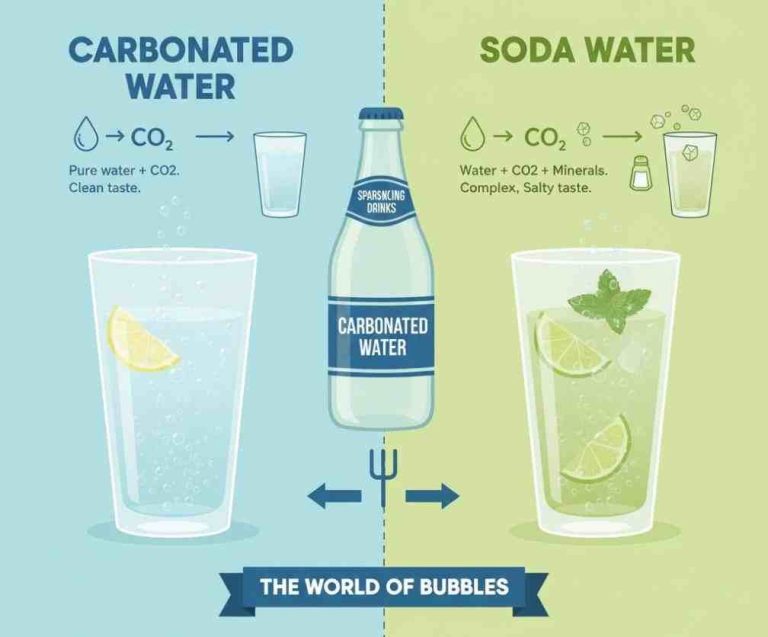 Everything You Need to Know About Carbonated Water: From Soda to
Remember when you were a kid and you’d shake a soda can to prank someone? That’s not just chaos—it’s physics. Shaking releases dissolved gas from the liquid, building up extra pressure inside the can. Open it too fast, and the gas expands instantly, exploding foam everywhere. Now you’re the villain at the picnic. Good job.
So, is carbonation “healthy” or “unhealthy”?
Well, the bubbles themselves are neutral. They’re just gas. But the acid thing we talked about (carbonic acid) can erode your tooth enamel a tiny bit if you sip soda all day. Moderation, people. Drink it quick, use a straw, or brush your teeth later. You’re an adult. You can handle it.
Oh, and one myth to kill: carbonation does not make you gain weight. That’s the sugar and syrup. Diet soda? The bubbles don’t care about your waistline. But some studies say fizz can make you burp and feel bloated, which is a fun dinner party trick if you’re into that.
Bottom line?
Carbonation is literally just CO₂ gas having a party in your drink. It’s pressurized, it’s slightly acidic, and it’s the reason your tongue does a happy little jig. Next time you sip a fizzy drink, thank a gas molecule for being such a good sport about being trapped and then set free.
Now go enjoy your bubbles. I’m going to open a seltzer and watch the bubbles rise while pretending I’m a fizzy scientist. You’re welcome.
