What Is A Good Ph For Water

You turn on the faucet. You fill a glass. You drink. But have you ever stopped to think: what is the pH of this magical liquid? It sounds like a chemistry exam, right? Relax....
You turn on the faucet. You fill a glass. You drink. But have you ever stopped to think: what is the pH of this magical liquid? It sounds like a chemistry exam, right? Relax. We’re just talking about how acidic or basic your water is. And trust me, it’s way more fun than a lab coat suggests.
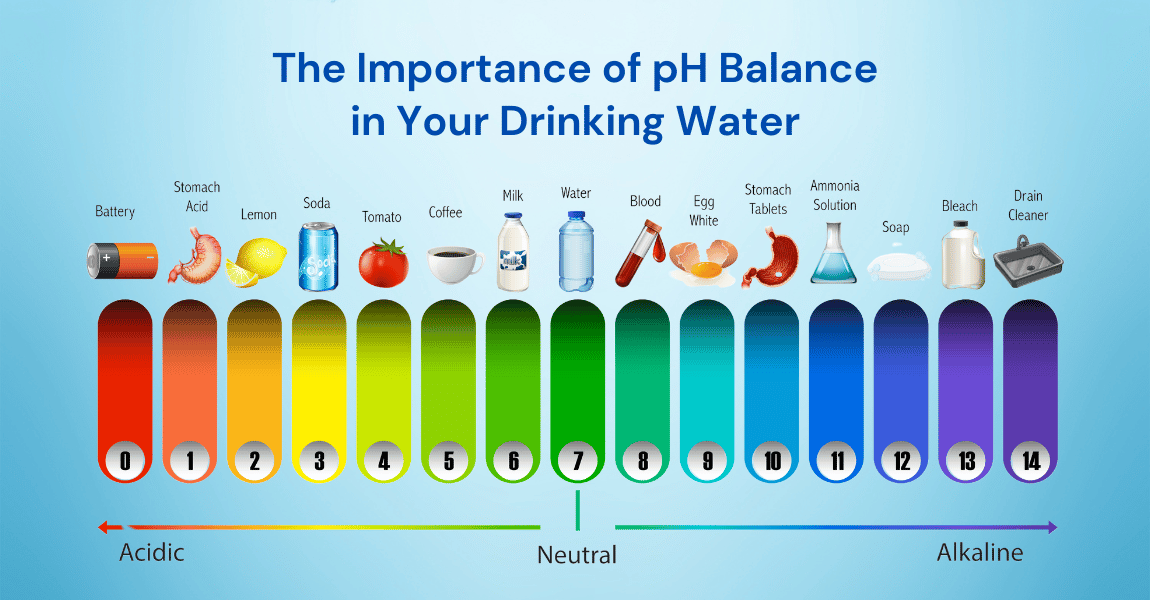
The pH scale runs from 0 to 14. Pure water sits right in the middle at 7.0. That’s perfectly neutral. Think of 7 as the “Goldilocks zone” of water. Not too sharp, not too soapy. Just right for your cells to throw a party.
But here’s the kicker: “good pH” is a total myth for most people. Your body is a superhero. It has built-in systems to balance your pH no matter what you chug. You could drink lemon juice (pH ~2) or baking soda water (pH ~9). Your body just winks and adjusts.
Must Read
The Quirky, Weird Science of pH
Water from your tap usually hovers between 6.5 and 8.5. That’s the legal sweet spot set by regulators. Why? Because anything lower might eat your pipes like a tiny monster. Anything higher tastes like you’re licking a chalkboard.
Rainwater is naturally acidic at pH 5.6. That’s because carbon dioxide in the air turns into carbonic acid. So every raindrop is a tiny, fizzy soda for the ground. Don’t worry—it’s not dangerous. It just explains why slugs love the rain.
Sea water is around pH 8.1. It’s slightly basic. That helps corals build their skeletons. So, if you’ve ever hugged a reef, you’ve hugged pH 8. Ocean chemistry: surprisingly hug-friendly.
Bottled Water: The pH Circus
Walk into a store and you’ll see “alkaline water” screaming at you from the shelves. It promises to fix everything except your messy sock drawer. These bottles often claim a pH of 8 or 9. They say it’s better for you. Spoiler alert: your stomach acid is pH 1.5 to 3.5. That alkaline water becomes acidic seconds after it hits your belly. Woosh. Magic gone.
Then there’s reverse osmosis water. It’s so pure it has a pH near 7 but no minerals. It tastes flat. Like a party with no music. Some people add minerals back just to stop the water from being so lonely.
 Ph Levels In Drinking Water | Drinking Water Ph Levels – YZFTE
And don’t get me started on distilled water. It’s pH 7, but it’s also “thirsty.” It wants to absorb carbon dioxide from the air and become slightly acidic. Leave a glass out overnight and it changes its mood. That’s not bad for you—it’s just water being dramatic.
What About Your Pipes? (Yes, They Care)
If your water pH drops below 6.5, it can dissolve copper or lead from old pipes. That’s a real problem. You don’t want metal in your morning coffee. That’s why water treatment plants add lime or soda ash to nudge the pH up. They’re the bodyguards of your plumbing.
High pH above 8.5 can leave mineral deposits that look like white crust. It makes your tea cloudy. It clogs your kettle. It’s basically the water version of a bad roommate. It leaves a mess everywhere.
So, the “good pH” for your house depends on your pipes. If you have copper pipes, aim for 6.5 to 7.5. If you have plastic pipes, you’re more flexible. But honestly? Most of us never need to check. The city does it for you.
The Fun Facts That Will Impress Your Friends
Your own saliva has a pH around 6.7. When you drink that trendy alkaline water, your mouth goes, “Ooh, fancy!” Then your stomach laughs and turns it into acid soup. The whole “alkaline diet” trend is mostly marketing magic, not biology.
 Drinking Water Ph
Fish are super pH snobs. A goldfish needs pH 7.0 to 7.5. But a Discus fish wants pH 6.0. If you mess up their water, they sulk. Literally. They stop eating and float sadly. So, good pH is a big deal if you’re a fish. For you? Not so much.
Did you know that pH stands for “potential of hydrogen”? Fancy name for a simple idea. It’s just a measure of how many hydrogen ions are swimming around. More hydrogen ions = more acidic. Fewer = more basic. You now know more chemistry than 90% of reality TV stars.
The Bottom Line (It’s Shorter Than You Think)
For a healthy human, the best pH for drinking water is anything between 6.5 and 8.5. That’s it. That’s the whole secret. You don’t need expensive gadgets or fancy bottles. Your tap water is almost certainly fine.
Drink water that tastes good. Drink water that makes you feel happy. If your water tastes metallic or bitter, get it tested. Otherwise, stop stressing. Your body has been balancing pH since you were a tiny blob in the womb. It’s a pro at this.
So next time someone asks, “What’s a good pH for water?” just smile. Say, “Seven-ish.” Then tell them about the fish. And the rain. And the sad, lonely distilled water. You’ll sound like a genius. And you’ll have made water—finally—a little bit fun.
