Does Soda Help Acid Reflux

So picture this: I’m at a late-night diner with a friend who swears by the “coke for heartburn” trick. He’s just demolished a plate of chili cheese fries, and right on cue, th...

So picture this: I’m at a late-night diner with a friend who swears by the “coke for heartburn” trick. He’s just demolished a plate of chili cheese fries, and right on cue, that familiar chest fire starts creeping up. Without missing a beat, he pops open a can of cola and takes a long, fizzy gulp. “Trust me,” he says, wiping his mouth, “the carbonation settles it.” I stared at him like he’d just claimed water is dry. Does soda actually help acid reflux? Or are we all just fooling ourselves with a placebo that tastes like nostalgia?
Let’s get real for a second: the internet is a swamp of conflicting advice on this one. You’ll find forums where people swear by sipping ginger ale for instant relief, right next to horror stories about burping up lava after a single sip of Sprite. The truth? It’s way more complicated than your late-night diner buddy wants to admit. I’m here to untangle this fizzy mess with a healthy dose of skepticism and a little science, because you deserve better than a guessing game when your chest is on fire.
The Fizzy Illusion: Why Burping Feels Like Help
Here’s the sneaky part: that first carbonated burp does feel amazing, doesn’t it? You take a sip, you let out a massive belch, and for about thirty seconds, the pressure in your chest drops. That’s not relief—that’s a temporary escape valve for trapped gas. Your stomach is literally saying, “Thanks for the air, but I’m still angry.”
Must Read
But here’s the kicker: the carbon dioxide in soda turns into carbonic acid in your stomach. So you’re literally adding more acid to an already acidic party, then burping it back up the esophagus. It’s like throwing a lit match into a grease fire and then blowing on it—technically an action, but a tragically foolish one. (You see the irony, right?)
Your esophagus doesn’t have a protective lining like your stomach does. That bubbly burp carries stomach acid up with it, and the carbonation actually relaxes the lower esophageal sphincter—the little muscle door that keeps acid where it belongs. So soda might make you burp, but it also makes the door swing wide open. Not exactly a win.
The Sugar Trap and the “Caffeine Complication”
Now, let’s talk about the specific flavors you might reach for. If you’re grabbing a regular Coke, Pepsi, or root beer, you’re dealing with high sugar content. Sugar doesn’t directly cause acid production in most people, but it can make your stomach empty slower. A lazy stomach means that food—and acid—hangs around longer, giving it more chances to slosh back up. Not the quick fix you were hoping for, right?
 How Baking Soda Can Help With Acid Reflux & Heartburn - YouTube
Then there’s the caffeine. Colas, Dr. Pepper, and many dark sodas pack a caffeine punch. Caffeine is a known relaxer of the lower esophageal sphincter—that door again. So a morning soda for a reflux flare-up is like trying to put out a fire with gasoline. Meanwhile, ginger ale might sound more natural, but most commercial versions are just sugar water with a whisper of ginger flavor. Your stomach knows the difference.
The Odd Exception: The “Dry Swallow” Myth
Now, I’ve heard a weird counter-argument from some folks who swear by room-temperature, flat soda. They claim that letting the fizz die removes the carbonation problem while leaving behind some magical soothing compound. Spoiler alert: that “magic” is mostly placebo. A dead soda is just colored, sweetened water with phosphoric acid—which is actually linked to weakening the esophageal lining over time. Not exactly a bedtime tonic.
But here’s a twist: some people with very mild reflux find that a small amount of carbonation triggers a burp that clears trapped gas, providing temporary relief. That’s the same logic behind that diner friend of mine. However, the relief is fleeting, and the late-night rebound—where the acid roars back harder—is almost guaranteed. It’s a deal with a fizzy devil. (You win one burp, you lose two hours of sleep.)
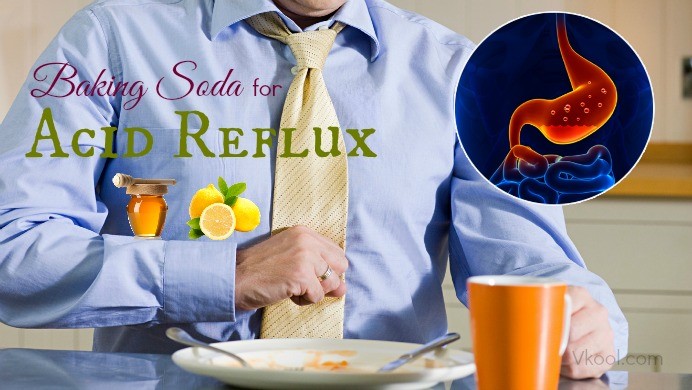 Does Baking Soda Help Acid Reflux – VIIIG
What Actually Works (Instead of Soda)
If soda isn’t the answer, what can you grab when that chest burn hits? First: water. Plain, still water helps dilute stomach acid and flush it back down. Second: chewing gum, sounds silly, but it increases saliva production, which is your body’s natural acid neutralizer. Third: a small glass of non-fat milk or a slice of melon—low-acid, low-fat options that won’t trigger more chaos.
And if you absolutely must have a fizzy drink, go for caffeine-free, sugar-free sparkling water with a splash of lemon—but only sip it slowly. Even that can backfire if you chug it. The key is to avoid anything that relaxes that esophageal door, which sadly includes most sodas. Sorry, Coke fans. Your habit is a reflux villain in disguise.
So here’s the roasted bottom line: soda does not help acid reflux. It’s a short-term illusion that often makes things worse over the next hour. Your stomach is not a chemistry set that appreciates carbonated pranks. If you want real relief, reach for water, chew some gum, or just accept that late-night chili cheese fries come with a price. Your esophagus will thank you—and so will your dignity when you’re not burping fire in the middle of a diner.
