What Is An Acidic Solution

Ever wonder why lemonade makes your mouth pucker and why soap feels slippery? That’s the magic of acidity in action. An acidic solution is just a liquid that has a higher conc...

Ever wonder why lemonade makes your mouth pucker and why soap feels slippery? That’s the magic of acidity in action. An acidic solution is just a liquid that has a higher concentration of hydrogen ions than pure water. Sounds like science jargon, right? Stick with me—it’s actually super relatable once you break it down.
Think of water as a calm party where hydrogen ions and hydroxide ions are perfectly balanced. An acidic solution is when the hydrogen ions take over the dance floor. The more hydrogen ions you have, the more aggressive and “sour” the liquid becomes. It’s like turning up the bass on a song until everything vibrates a little differently.
Why Should You Care About Acidity?
Because you taste it, feel it, and rely on it every single day. Coffee, soda, vinegar, even your stomach acid—all of them are acidic solutions. Without them, you couldn’t digest food or enjoy that zing in a fresh orange. It’s not just chemistry; it’s the flavor of your life.
Must Read
Acidity is also nature’s security guard. Many acidic environments kill bacteria and fungi, which is why we pickle vegetables in vinegar. Ever notice how a splash of lemon juice keeps sliced apples from turning brown? That’s the acid slowing down the oxidation process. Pretty cool, right?
The pH Scale: A Simple Number Game
Scientists use the pH scale to measure how acidic or basic a solution is. It runs from 0 (super acidic) to 14 (super basic), with 7 being perfectly neutral like pure water. The lower the number, the more hydrogen ions are hanging out. It’s like a reverse popularity contest for acidity.
Here’s the weird part: the scale is logarithmic. That means a pH of 3 is ten times more acidic than a pH of 4, and a hundred times more acidic than a pH of 5. So a small change in number equals a huge change in strength. Imagine your morning coffee at pH 5 versus lemon juice at pH 2—they’re worlds apart in power.
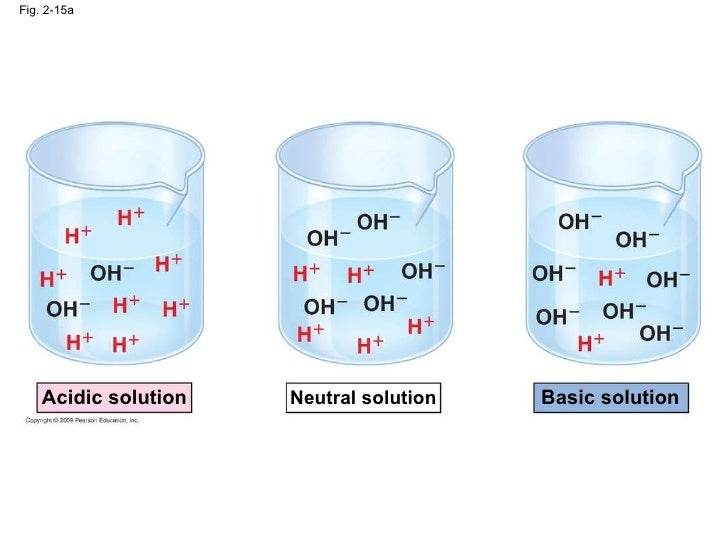 Chapter 2:Chemistry of Life
Everyday Acidic Heroes
Let’s meet the stars of the acidic world. Vinegar (acetic acid) is your kitchen’s multitasker—it cleans glass, picksles cucumbers, and wakes up salad dressings. Lemon juice (citric acid) is the cheerleader of acidity, adding brightness to everything from tea to desserts. Your stomach uses hydrochloric acid to break down proteins—that’s seriously strong stuff, but your stomach lining is built to handle it.
Even rain can be slightly acidic, thanks to carbon dioxide in the air. That’s why rainwater is naturally a pH of around 5.6. But when pollution adds sulfur and nitrogen compounds, you get acid rain, which can harm plants and buildings. So, acidity can be a friend or a foe depending on the context.
How to Test Acidity at Home
You don’t need a lab to sniff out an acid. Try squeezing a lemon and dipping a blue litmus paper into it—the paper turns red. That’s a classic acid test. Or just taste a tiny bit of vinegar (safely, please!) and notice the sour kick. Sourness is your tongue’s way of detecting hydrogen ions. Your body is a natural pH tester.
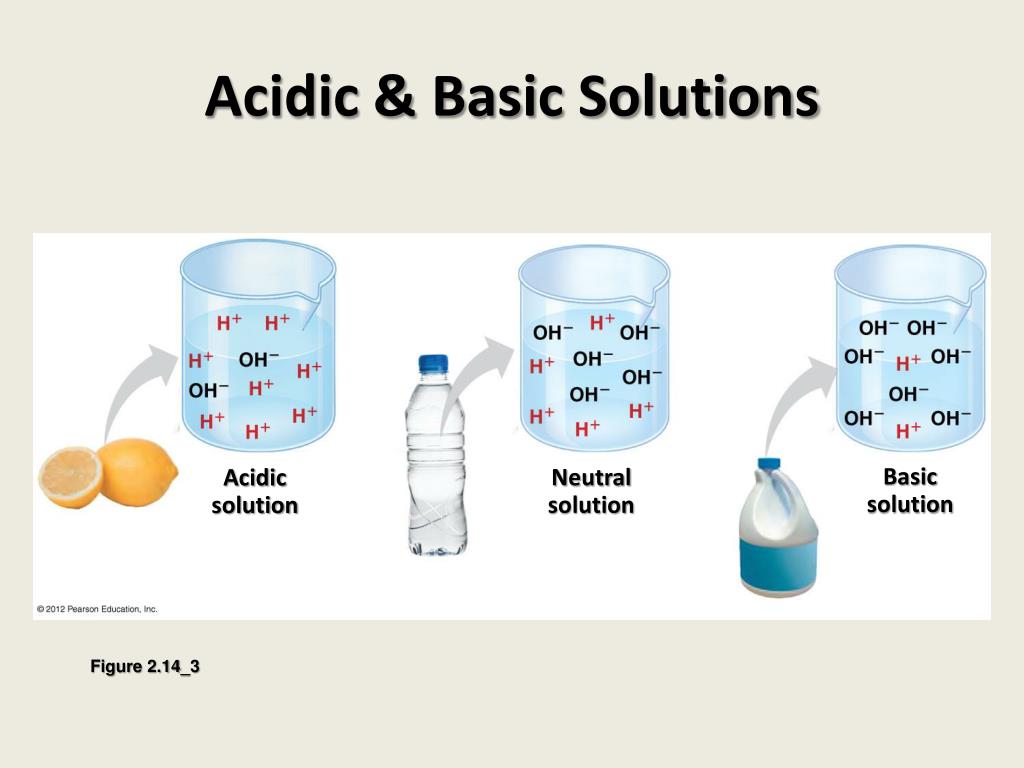 PPT - Basic Chemistry for Biology PowerPoint Presentation, free
Another fun experiment: mix baking soda with vinegar. See that fizzy eruption? That’s an acid-base reaction creating carbon dioxide gas. It’s the same chemical show that makes your bread rise or your volcano model explode. Simple, but undeniably cool.
The Balancing Act
Your body works hard to maintain a stable pH, around 7.4 in your blood. Too much acidity (or too little) can cause serious problems. That’s why your kidneys and lungs constantly adjust things—like a built-in thermostat for chemistry. Too much soda or stress can tip the balance, but your body is a resilient machine.
In nature, acidic solutions help break down rocks into soil, unlocking minerals for plants. Without acidity, the Earth would be a very different place. So next time you sip a tart lemonade, remember: you’re enjoying a solution that’s literally charged with hydrogen ions, dancing and reacting in ways that make life interesting.
Final thought: Acidity isn’t scary—it’s just water with an attitude. It can clean your sink, preserve your food, and wake up your taste buds. So go ahead, ask yourself: what’s the most acidic thing you’ll eat today? And can you guess its pH? You’re already a bit of a scientist just by tasting the world.
