What Is Coliform In Water

Let’s face it: most of us don’t think about what’s in our water until it tastes like a swimming pool or smells like Grandpa’s basement. You turn on the tap, fill a glass, and...

Let’s face it: most of us don’t think about what’s in our water until it tastes like a swimming pool or smells like Grandpa’s basement. You turn on the tap, fill a glass, and hope for the best. But then someone mentions coliform bacteria, and suddenly you’re eyeing that ice cube like it’s a science experiment gone wrong.
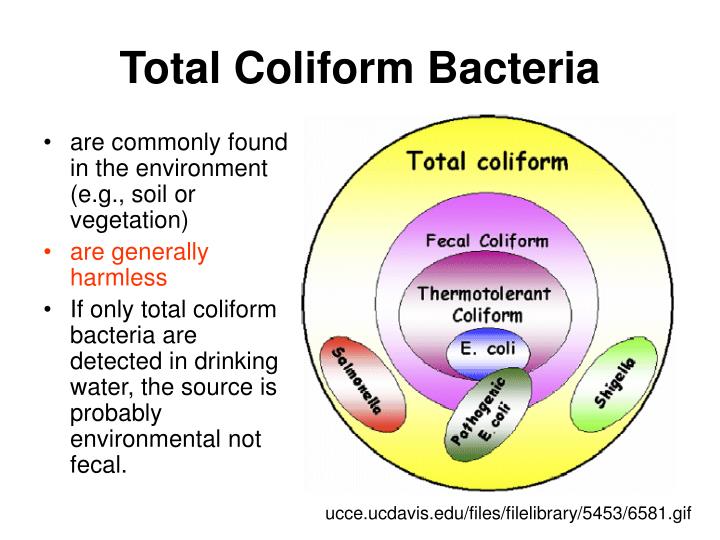
So, what exactly is this stuff? In plain English, coliform is a family of bacteria that live in the guts of warm-blooded animals—including you, your dog, and that squirrel that keeps raiding your bird feeder. Think of them as the postcards from the digestive system. They’re not usually dangerous themselves, but their presence says, “Hey, something pooped nearby.”
Why should you care about a little bacteria?
Imagine your water supply is a party. Coliform bacteria are the unwanted guests that show up before the cops do. When a water test finds them, it’s a red flag that other, nastier germs—like E. coli or salmonella—might be crashing the bash too.
Must Read
It’s not about the coliform itself; it’s about what it suggests. If you see one mouse in your kitchen, you know there’s probably a whole family in the wall. Same logic, but with microbes.
The “Oh, that explains it” moment
I once lived in an old farmhouse where the water tasted like “earthy regret.” We tested it, and boom—coliform. The well cap had a crack you could slide a dime into. Every time it rained, surface runoff—full of frog poop, bird droppings, and decomposed leaves—was seeping right in.
It wasn’t a crisis. It was just a reminder that water doesn’t clean itself. A little bleach shock treatment and a new cap, and we were back to drinking water that only tasted like pipes, not a forest floor.
How does coliform even get in your water?
Usually through a failure in infrastructure—a cracked well casing, a broken septic system, or a pipe that’s as old as your grandpa’s jokes. Heavy rain can push soil bacteria into groundwater. Or it could be a simple as a stray cow wandering too close to your wellhead.
 PPT - Water Quality: Fecal Coliform How is water quality affected by
It’s not always dramatic. Sometimes it’s just a dirty water heater or a garden hose left in the sun. Coliform bacteria are everywhere: in dirt, on plants, on your kitchen sponge. The trick is keeping them out of your drinking glass.
The “Uh-oh” signs to watch for
Your water might look clear but still have coliform. Most of the time, you won’t notice a thing—that’s the sneaky part. But if your water smells like rotten eggs or has a muddy tint, you might be hosting a bacterial block party.
If you or your family suddenly gets an upset stomach after a glass of tap water—and you haven’t tried that new gas-station sushi—it’s worth testing. Diarrhea isn’t a great conversation starter, but it’s a pretty good hint.
What do you do if you find it?
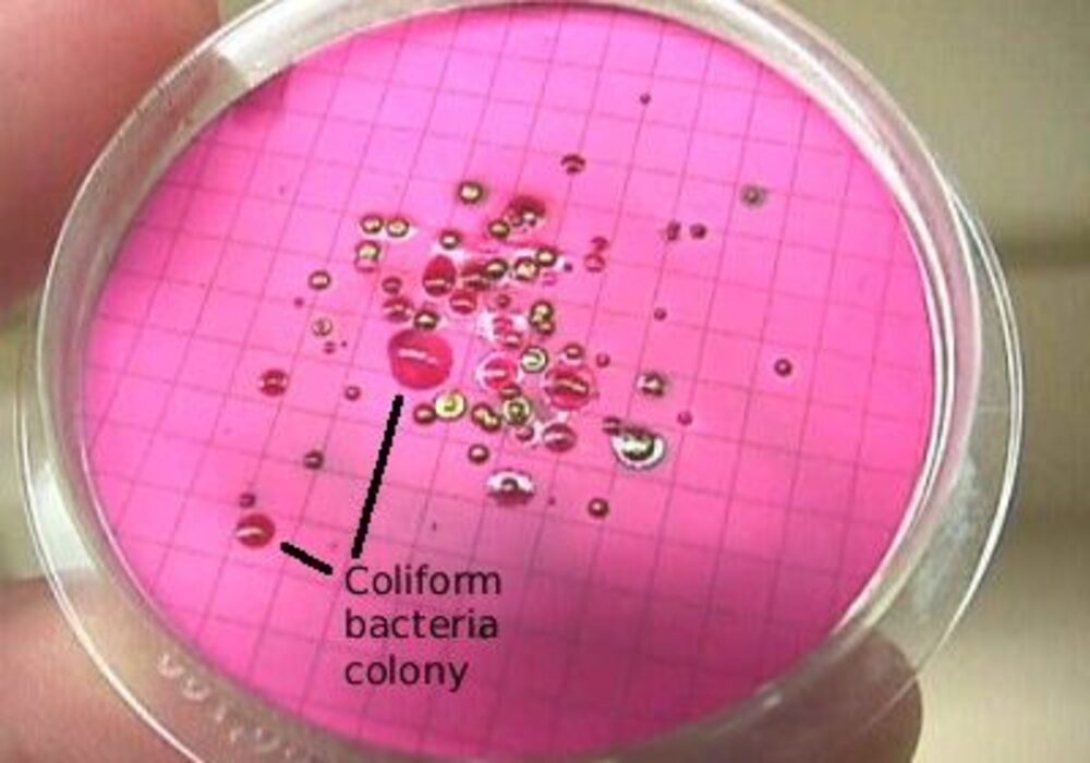
First, don’t panic. A coliform-positive test isn’t a death sentence—it’s a to-do list. The standard fix is to shock chlorinate your well or system. Think of it as a high-dose bleach bath for your pipes. Then you flush, retest, and cross your fingers.
 Fecal Coliform Bacteria In Water | Pontchartrain Conservancy
If the problem comes back, you might need a permanent solution. That could be a UV filter (which zaps bacteria like a tiny science-fair laser), a new well cap, or even drilling a new well. It’s not cheap, but neither is a hospital stay for food poisoning.
Testing: It’s easier than you think
You can buy a home test kit at the hardware store for about twenty bucks. Or you can call your county health department—they’ll send you a sterile bottle and tell you exactly where to fill it. The trick is to not rinse the bottle first; you want a real sample, not a rinsed one.
I once tried to impress a friend by testing my water myself. I dropped the sample, spilled it on the kitchen floor, and the dog licked it up. The test came back positive for “dog saliva,” which is, technically, not a known coliform threat. But it did make me realize: sometimes the biggest contaminant is human clumsiness.
The bottom line (no pun intended)
Coliform bacteria are nature’s warning light. They tell you that your water isn’t as pure as you’d like to believe. But they’re not monsters—they’re just messengers. A little maintenance, a little bleach, and a lot of patience will usually solve the problem.
So next time you hear “coliform in water,” don’t imagine a science lab. Imagine a tiny, invisible mailman carrying a postcard that says, “Your well needs a hug—and maybe some chlorine.” And then go test your water. It’s the adult thing to do. Plus, you’ll finally have a good story to tell at dinner parties.
