Why Is Sink Water Cloudy

You walk over to the kitchen sink, feeling a bit parched after that afternoon jog. You grab your favorite glass and turn on the tap—and whoa, what’s that? The water pours out...
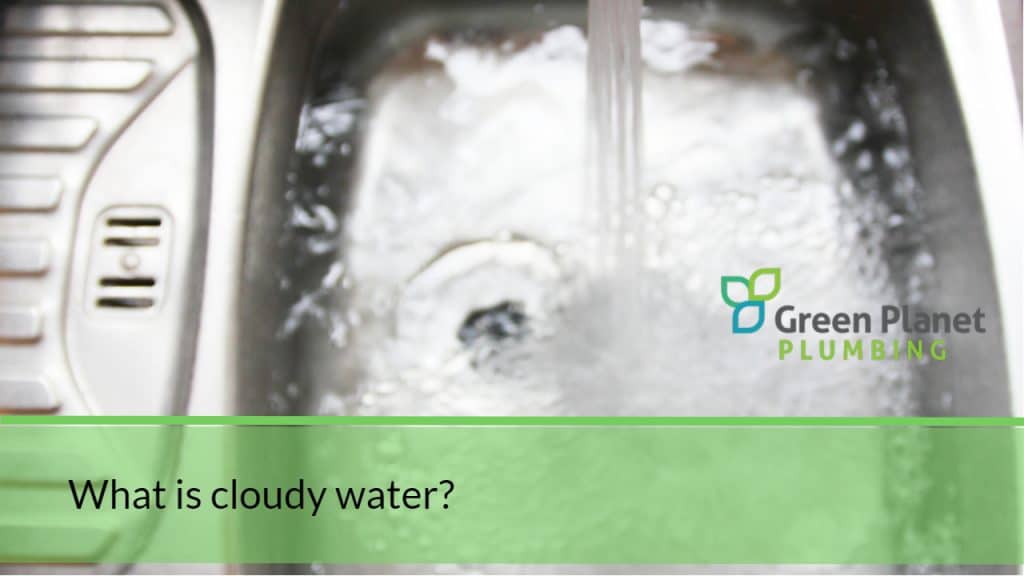
You walk over to the kitchen sink, feeling a bit parched after that afternoon jog. You grab your favorite glass and turn on the tap—and whoa, what’s that? The water pours out looking like a milky, white ghost. Before you panic and call a plumber, take a breath. That cloudy water is almost never a bad thing; it’s just your pipes showing off a little science trick.
It’s Mostly Just Tiny Air Bubbles
Imagine shaking up a bottle of soda and then quickly opening it—you get that fizz, right? Cloudy tap water is exactly the same principle, just without the sugar and fizz. When your water is under pressure in the pipes, air gets dissolved into it. Once you turn on the faucet, that pressure releases, and the air forms millions of teeny-tiny bubbles.
Think of it like a crowd exiting a theater after a movie. Everyone rushes out at once, all jumbled together, making the lobby look chaotic. Give it a few seconds, though, and the crowd thins out. If you let your glass of cloudy water sit on the counter for a minute, the bubbles rise to the top and pop, leaving your water crystal clear.
Must Read
Does It Mean Something Is Wrong?
Here’s the fun part: cloudy water is actually a perfect sign that your municipal system is working right. The air bubbles come from pressure in the pipes, which helps keep contaminants out. It’s like a bouncer at a club—pressure keeps the bad stuff from sneaking in, and the bubbles are just the bouncer’s loud whistle.
Now, if the water never clears up after sitting for a few minutes, that’s a different story. That could mean sediment or minerals, but even then, it’s usually harmless. Mostly, though, that milky look is just your water showing off its bubbly personality.
A Little Science Experiment for Curious Minds
Next time you see cloudy sink water, try this: fill a clear glass and set it on the counter. Watch the bottom of the glass clear up first, like fog lifting from a valley. Then, notice how the bubbles gather at the top like tiny party balloons. It’s a mini science show happening right in your kitchen!
You can even do the “fridge test” to blow your own mind. Pour a glass of cloudy water, let it sit for a minute, and then stick it in the fridge. If the cloudiness vanishes, you’ve just proven it was air. If it stays cloudy after chilling, you might have a bit of hard water—still safe, just a little extra calcium or magnesium doing a dance.
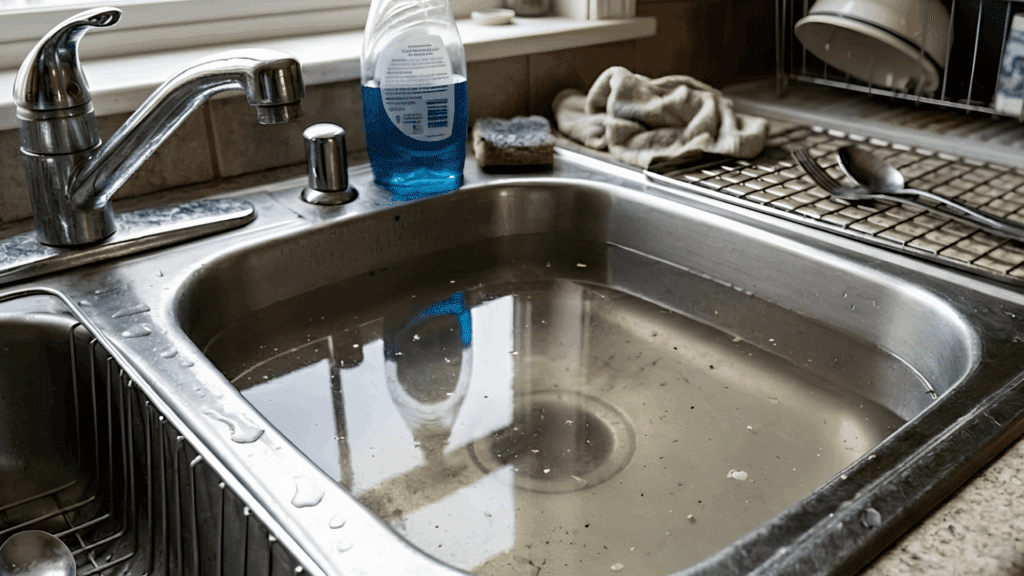 11 Effective Ways to Fix a Clogged Kitchen Sink
Why Should You Care About This?
Honestly, because it saves you from unnecessary panic and a pricey service call. Imagine calling your landlord or water company, convinced you have a pipe monster. They show up, pour a glass, and say, “Ma’am, that’s just air.” You’d feel a little silly, right? Knowing this little fact makes you the hero of your own home.
Plus, it’s a fantastic party trick. Seriously. At your next family dinner, when someone complains the water looks funny, you can say, “Oh, that’s just dissolved air. Watch this.” You’ll look like a science wizard. Your aunt will be impressed, and your cousin might finally stop teasing you about that time you forgot to close the garage.
What About Cold vs. Hot Water?
Have you noticed that cloudy water usually happens with cold taps? Cold water holds air better than hot water, like a sponge holding more water when it isn’t squeezed. Hot water pipes release the air immediately, so you rarely see cloudiness there. That’s why your morning tea water looks clear, but your drinking glass looks like a fog machine.
Also, if you live in a place with cold winters, outdoor pipes can make this happen more often. The water gets extra chilly, absorbs more air, and then hits your warm kitchen with a dramatic “ta-da!” It’s just your plumbing having a seasonal moment.
 How to Fix Cloudy Tap Water - Watters Plumbing
When Should You Actually Worry?
Alright, let’s get real for a second. If the cloudiness doesn’t go away after a few minutes, or if the water has a weird smell like rotten eggs, then we need a different conversation. Smelly or persistent cloudiness could mean bacteria or sulfur, which calls for a quick check with your water company. But 99 times out of 100, that milky glass is just a bubble party.
If you see orange or brown water, that’s usually rust from old pipes—still not dangerous, but not pretty to drink. That’s when you run the tap for a minute to flush it out. But white cloudiness? That’s the friendly ghost of your water system. Give it a minute, and it’ll vanish like a good magician.
The Bottom Line (Short and Sweet)
Cloudy sink water is like a friendly wink from your pipes. It’s saying, “Hey, I’m under pressure, but I’m totally fine.” You don’t need to buy a fancy filter or call a superhero plumber. Just pour a glass, wait a minute, and enjoy your clear, fresh water.
So next time you see that milky pour, just smile. You now know it’s just air bubbles being dramatic. And honestly, isn’t that a little thing we can all relate to? A little drama, a little science, and a whole lot of nothing to worry about.
