Does La Croix Have Pfas

Let’s be real for a second. You’ve probably got a can of La Croix somewhere nearby—maybe in your fridge, under your car seat, or acting as a small, fizzy paperweight on your d...
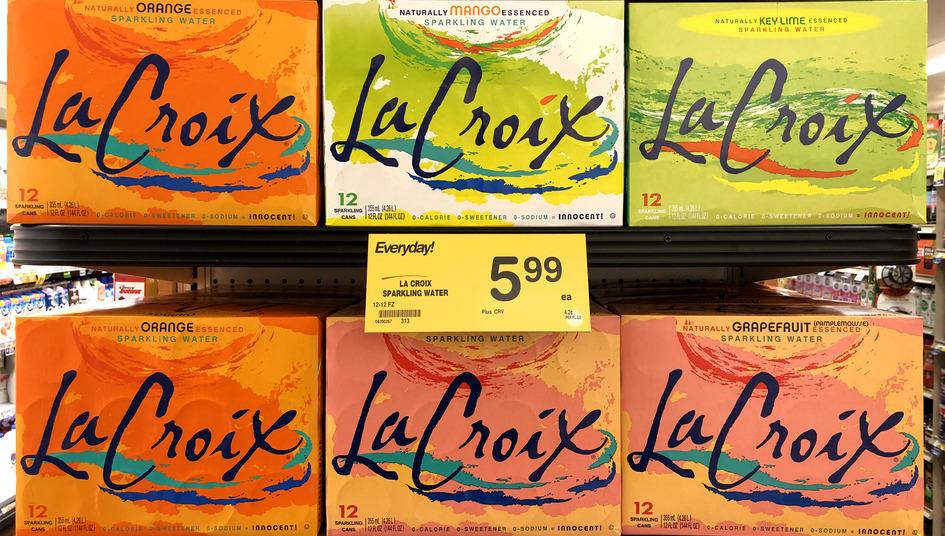
Let’s be real for a second. You’ve probably got a can of La Croix somewhere nearby—maybe in your fridge, under your car seat, or acting as a small, fizzy paperweight on your desk. It’s the official drink of people who want to feel fancy but also can’t handle the commitment of real soda. But then, a little voice in your head (probably from TikTok) whispers: “Does La Croix have PFAS?” And suddenly, your innocent sparkling water feels like it’s hiding a dark, chemical secret.
First, let’s set the scene. You’re at a summer barbecue, right? You grab a cold Passionfruit La Croix, twist the top, and that satisfying psssshhhht sound fills the air. It’s a tiny miracle. It’s the least judgmental beverage you know. Then your cousin Brad—the one who’s always “done his own research” on essential oils—leans over and mutters, “You know that’s full of forever chemicals, right?” Cue the internal panic. Is your favorite La Croix actually a vehicle for PFAS?
What Even Are PFAS? (A Quick, Non-Scary Explanation)
PFAS is a nasty little acronym that stands for per- and polyfluoroalkyl substances. Basically, they’re man-made chemicals that are really, really good at not breaking down—hence the “forever chemicals” nickname. They’re in non-stick pans, rain jackets, and apparently, sometimes in water. It’s like the clingy ex of the chemical world; it just won’t go away.
Must Read
Now, imagine PFAS as those tiny, invisible glitter flecks that get stuck in your carpet after a craft project. You sweep, you vacuum, you cry a little—and they’re still there. That’s how these chemicals work inside your body. They hang out, drink your metaphorical coffee, and refuse to leave. So, yeah, you’re right to be suspicious of anything that claims to be “pure” but might have PFAS hitchhikers.
The La Croix Drama: A Short History of Sparkling Tears
Back in 2020, a class-action lawsuit shook the sparkling water world. The lawsuit claimed that La Croix and other brands had detectable levels of PFAS. Suddenly, every La Croix fan felt like they’d been betrayed by their favorite low-calorie friend. It was like finding out your yoga instructor eats a whole pizza and watches reality TV in their car—disappointing, but not shocking.
But here’s the thing: La Croix fought back, hard. They said their water is “pure” and tested to be below the very low detection limits. They pointed fingers at the lab that did the testing, claiming the test methods were flawed. It turned into a he-said, she-said, but with more legal jargon and less dramatic hand gestures. For the average person, it felt like watching two adorable puppies argue over a slipper. You’re not sure who’s right, but you’re emotionally invested.
:max_bytes(150000):strip_icc()/Sparkling-Water-Problems-FT-BLOG0424-01-4609e8280f7b4712bcc102b47d4798e8.jpg) Food & Wine's Biggest Health and Science Stories of 2024
Food & Wine's Biggest Health and Science Stories of 2024
What Does the Science Say? (Get Ready to Nod)
Here’s the truth sandwich you need to digest: Most tap water in the U.S. has some PFAS. That’s not great, but it’s reality. La Croix is made from municipal water—meaning the same water that comes out of your kitchen sink. So, if your tap water has PFAS, your La Croix might have a tiny trace. But here’s the kicker: multiple independent tests (like those from Consumer Reports) have found that La Croix has PFAS levels that are actually lower than many other sparkling waters.
Think of it like this: You’re at a diner, and you order a salad. The salad might have a single sad crouton, while the next person’s salad is basically a bowl of croutons with a lettuce garnish. La Croix is the salad with the one crouton. It’s not perfect, but it’s not a crouton-pocalypse. You’re probably fine, unless you’re drinking a twelve-pack every single day for thirty years.
The Vibe Check: Should You Bin Your La Croix?
Let me tell you a story. Last week, I forgot my reusable water bottle and was dying of thirst. I grabbed a Peach-Pear La Croix from a gas station. I drank it while sitting in my car, listening to a true crime podcast. It was the most normal, unremarkable, yet glorious moment of hydration. Was I worried about PFAS? For about three seconds. Then I remembered that I also ate microwave popcorn and wore a waterproof jacket that week. Priorities, people.
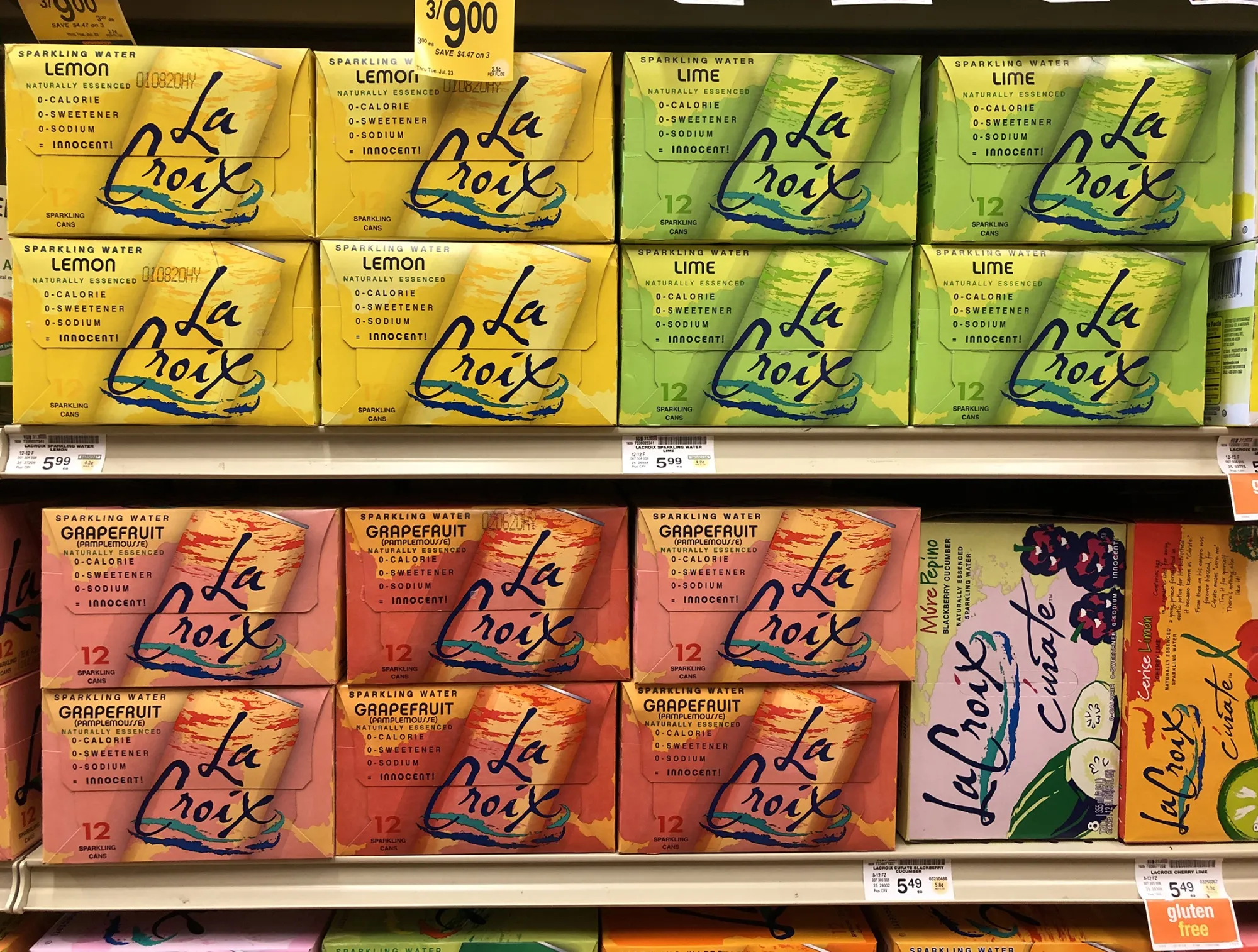 La Croix, Nestle Among 7 Waters With Elevated PFAS in Study - Bloomberg
Unless you’re a bird or a tiny fish living inside a La Croix factory, the risk is extremely low. The actual amount of PFAS found in La Croix is often below the health advisory limits set by the EPA for drinking water. It’s like worrying about getting hit by a meteorite while you’re already crossing a busy street without looking. Focus on the bigger picture: maybe drink more plain water sometimes, and definitely don’t microwave your La Croix.
The Final Sip (Calm Down, It’s Fine)
So, does La Croix have PFAS? Technically, trace amounts have been found, but the levels are generally low and comparable to many tap water sources. It’s not a chemical free-for-all. It’s not a toxic waste dump in a can. It’s just a fizzy, slightly flavored water that occasionally gets a bad rap.
My advice? Keep drinking your La Croix if you like it. Don’t let the forever-chemical anxiety ruin your afternoon fizzy break. Life is too short to stress about your seltzer when you’ve got a good podcast waiting, a perfectly ripe avocado on the counter, and a deadline you’re ignoring. Go pop open a can. Just maybe don’t chug it while also huffing non-stick spray. Balance, my friend.
And if anyone asks? Just say, “Oh, I only drink vibes. And La Croix vibes are still on brand.” fist bump
