What Is A Micron Filter

Let’s be honest: when someone mentions a micron filter, your brain probably goes straight to a dusty water filter under the sink or that manual for your aquarium you never fin...

Let’s be honest: when someone mentions a micron filter, your brain probably goes straight to a dusty water filter under the sink or that manual for your aquarium you never finished. But hold up—because this tiny piece of technology is actually one of the most fun and inspiring things you never knew you needed. Ready to have your mind blown by something smaller than a speck of dust? Let’s dive in.
A Micron? That’s Microscopically Awesome
A micron is a unit of measurement—specifically, one-millionth of a meter. Yes, you read that right: a millionth. To put it in perspective, a single human hair is about 70 microns wide.
So when we talk about a micron filter, we mean a screen or medium that catches particles as tiny as a few microns across. Think of it as a superpowered sieve for a world you can’t even see.
Must Read
And here’s the kicker: the smaller the micron rating, the finer the filtration. A 5-micron filter catches stuff you’d never spot with your naked eye. That’s the level of detail we’re talking about.
Where Do These Little Heroes Live?
You interact with micron filters every single day. That refreshing glass of tap water? It likely passed through a micron filter to remove sediment, rust, and cloudiness. Your morning coffee? That drip machine uses a filter to keep grit out of your cup.
Your car’s oil filter, the HEPA filter in your vacuum cleaner, even the air purifier humming in your bedroom—all of them rely on micron-level precision. We literally breathe and drink more comfortably because of these unsung heroes.
Honestly, isn’t it satisfying to know that invisible helpers are working 24/7 to keep your life smooth? I think that’s pretty awesome.
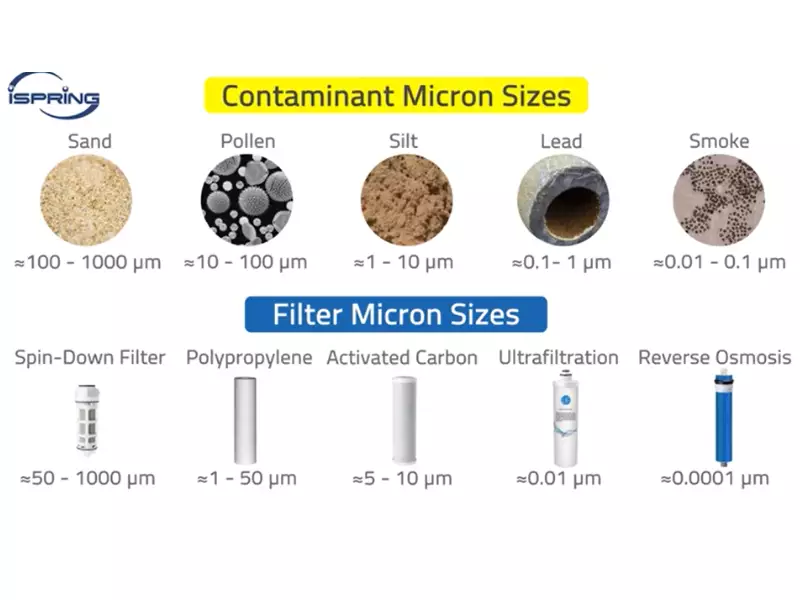 What Size Micron Filter for Well Water? - Well Water Lab
Why This Makes Life More Fun (Yes, Really)
Think about the last time you made a perfect cup of coffee or took a sip of crystal-clear water from a reusable bottle. That joy you felt? A micron filter probably had a hand in it.
When you upgrade a filter—say, from a 20-micron to a 1-micron—you’re literally playing the role of a high-tech detective for your own home. You’re removing things like fine sand, microscopic algae, and other particles that could make your drinks taste “off” or your air feel dusty.
It turns a boring chore into a mini-science experiment. And who doesn’t love feeling like a mad scientist with a water pitcher?
The Magic of Scale: Thinking Small Is a Superpower
Here’s where it gets truly inspiring. The same principle that makes a micron filter work—paying attention to the tiny details—applies to so much in life. Cleaning your water? Yes. Cleaning up your diet, your schedule, or your mindset? Absolutely.
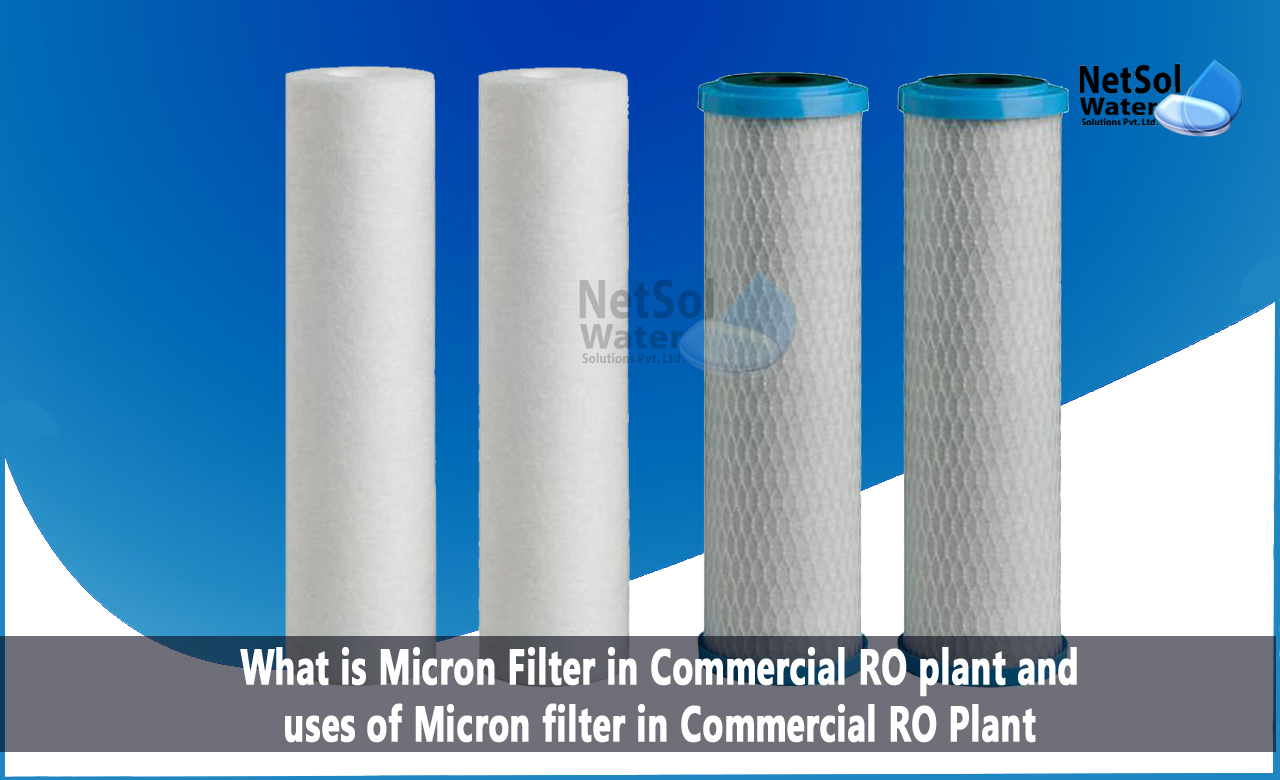 Which Micron Filter Is Better at Tayla Stang blog
Just as a micron filter catches what you can’t see, small, consistent choices filter out the “micro-clutter” in your day. A five-minute tidy-up can remove the mental dust. A single deep breath filters out stress.
It’s a beautiful reminder: the smallest things often make the biggest difference. You don’t need to overhaul your entire world—you just need to get the right filter for the job.
Ready to Get Inspired?
So next time you see a filter at the store or pour yourself a fresh glass of water, give a little nod to the micron. It’s a tiny unit of measure holding up a massive world of possibility.
You can start small: check the micron rating on your home water filter, learn how HEPA filters work, or even just appreciate that your morning brew isn’t full of mystery sediment. That’s a win.
Remember: big change often starts with small, invisible steps. And if a micron filter can make water pure enough to drink, imagine what you can clarify in your own life. Go ahead—filter out the noise and enjoy the clarity. You’ve got this.
