How To Check Your Water

So, you want to check your water? Maybe you’ve heard a weird noise from the faucet, or your tea suddenly tastes like a swimming pool. Or maybe you’re just a responsible adult...
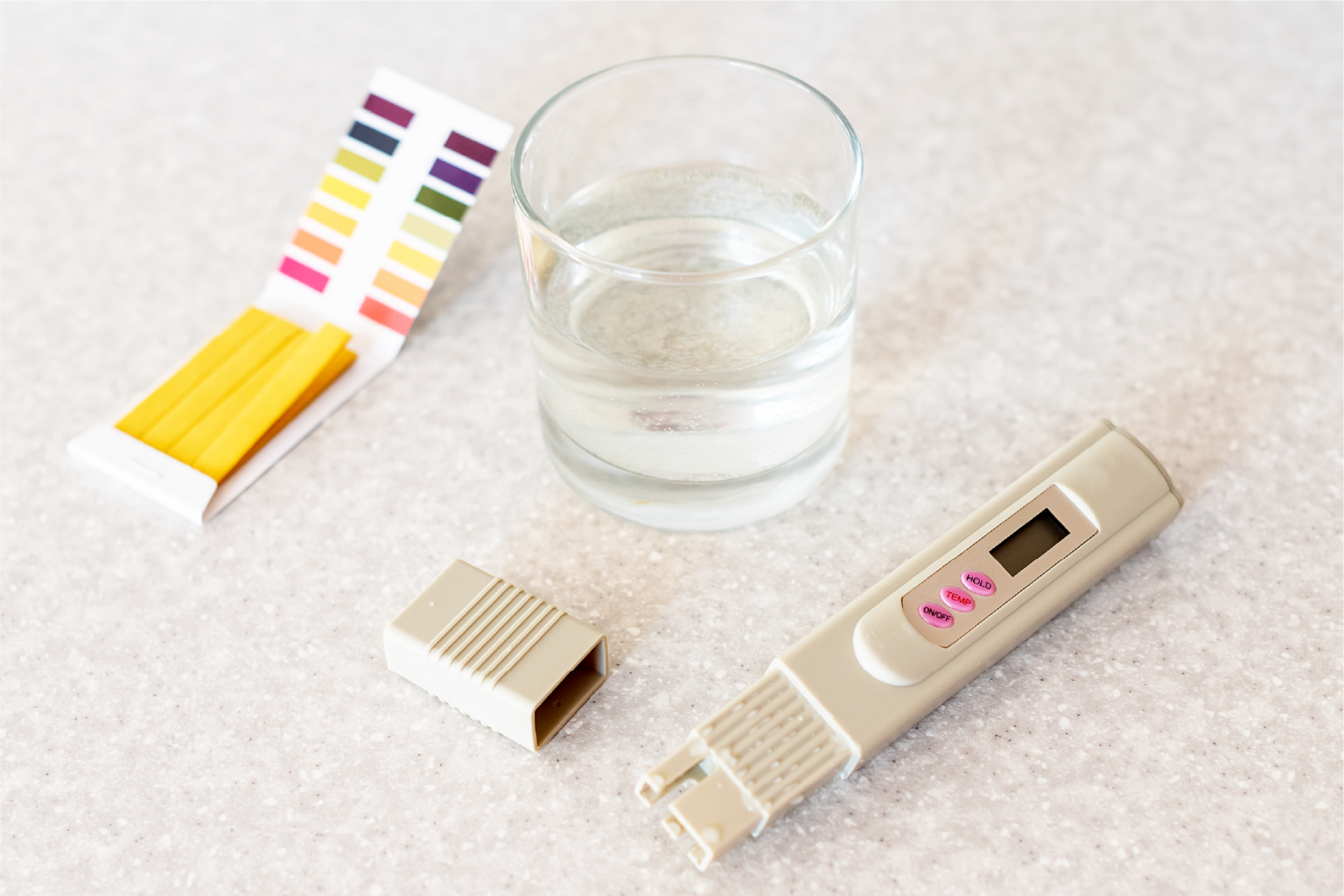
So, you want to check your water? Maybe you’ve heard a weird noise from the faucet, or your tea suddenly tastes like a swimming pool. Or maybe you’re just a responsible adult who loves a good, quality sip. Whatever the reason, welcome to the wonderful world of H₂O investigation.
First things first: don’t panic. Your water is probably fine. But if it looks like a murky river or smells like a gym locker, it’s time to play detective. Trust your senses—they’re your first and most hilarious tools.
Step 1: The Sight Test
Pour a glass of water. Hold it up to the light. Is it crystal clear like a mountain stream? Or does it look like you’ve just scooped it from the neighbor’s pond? If you see floaties, rust, or tiny wiggly things, that’s a red flag (or a green slime flag).
Must Read
Cloudy water is often just air bubbles—give it a minute. If it clears from bottom to top? You’re good. If it stays milky? That’s a sign of excess sediment or pressure issues. Time to note that.
Step 2: The Sniff Test
Take a deep sniff. Don’t be shy—get right in there. Does it smell like nothing? Perfect. Does it smell like a swimming pool? That’s chlorine, which municipalities add on purpose (boring but safe).
If you get a whiff of rotten eggs, that’s sulfur. Usually harmless, but your water might taste like a flat soda. Worse? A fishy odor—that could mean algae or a plumbing issue. Trust your nose, it’s rarely wrong about gross stuff.
Step 3: The Taste Test (Caution!)
Only do this if the sight and smell tests pass with flying colors. No, don’t drink mystery sludge. Take a tiny sip. Does it taste metallic? That could be old pipes. Bitter or salty? Might be hard water or a mineral imbalance.
Remember: a little bitterness is okay; a lot of bitterness is a big “nope.” Your taste buds are the ultimate judges. But if it tastes like pennies, call a plumber—stat.
Step 4: The Touch Test (Yeah, Seriously)
Fill a bottle, shake it, and rub a little between your fingers. Does it feel slippery like soap? That’s hard water—lots of calcium and magnesium. Not dangerous, but it’ll leave white spots on your dishes. Does it feel gritty? That’s sand or sediment.
If it feels normal—just wet—you’re probably fine. Congratulate yourself on your advanced water-touching skills.
 Customer Resources — Silulumanzi
Step 5: The Scientific Approach (For Overachievers)
Okay, you want facts, not feelings. Buy a home water test kit.
They’re cheap and fun. You’ll find them at hardware stores or online. Dip the strip, watch the color change, and compare it to a chart. It’s like a mood ring for your tap.
What The Colors Mean
Green? Hi, chlorine. Purple? High pH (alkaline). Red? Low pH (acidic)—might leach metals from pipes. Brown? Tannins from decomposing plants. Wait, wait—don’t freak out. Most of these are harmless unless you’re a fish. But if you see lead (test for it separately), call a pro immediately.
Step 6: The Boil It Out Method
If you’re worried about bacteria—like after a flood or a weird taste—boil your water for one minute. Let it cool. If it smells normal and tastes clean, you’re golden. If it still smells funky, don’t drink it.
Boiling won’t fix chemicals or heavy metals, though. It just kills the squiggly stuff. So if it tastes weird after boiling, you’ve got a bigger issue.
When To Call A Real Expert
If your water is always brown or smells like bleach-poop hybrid—call your local water department. They test it for free. Or hire a certified plumber. They’ll use shiny gadgets and make you feel fancy.
Also, if your water leaves blue-green stains on your sink? That’s copper. Too much can make you sick. Get it tested by a lab—they’ll send a report with big words.
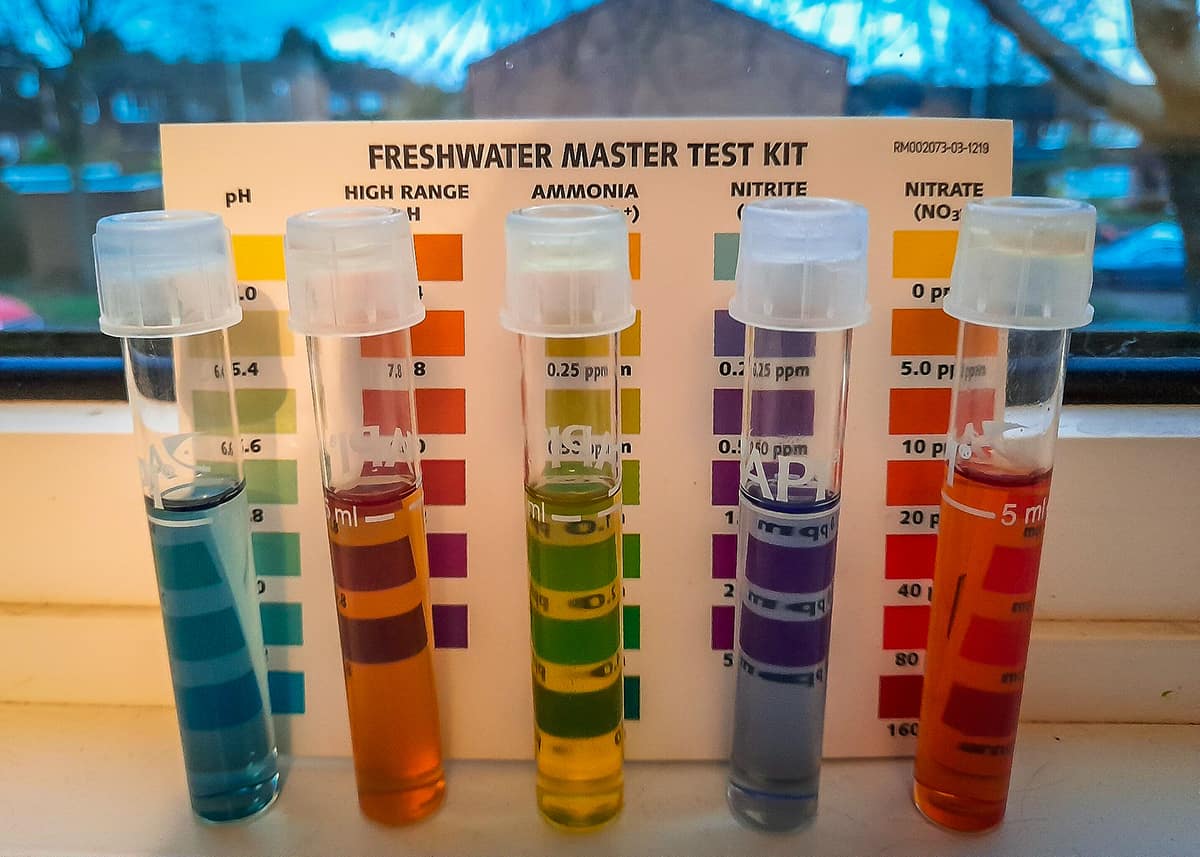 How to Test Water Quality at Home: Your Complete Guide – World Water
The Fun Part: DIY Experiments
Try the “shake test” for hardness: Fill a bottle halfway, add a drop of dish soap, shake. Suds? Soft water. No suds? Hard water. Science is just fancy playtime.
Another one: Test for chlorine by leaving a glass out for 20 minutes. If it smells normal after that? Chlorine gassed off. If it still smells? Something else is in there.
How To Fix Common Issues
Hard water? Get a water softener. It’s like a spa day for your plumbing.
Metallic taste? Install a charcoal filter on your faucet. Cheap and effective.
Cloudy water? Let it sit in a pitcher. Air bubbles disappear. Patience is a virtue you can drink.
Final Thoughts: You Are Your Water’s Best Friend
Checking your water is like doing a quick health check for your house. It’s easy, a little silly, and totally worth it. You don’t need a lab coat—just a glass, your senses, and a smidge of curiosity.
Remember: Your water wants to be good. It’s just sometimes confused. A little attention, a filter, or a call to the pros, and it’ll be back to being the crisp, refreshing hero you deserve.
So go ahead—pour yourself a glass. Taste it. Savor it. You’ve earned it. And if it’s perfect? Give yourself a high-five. If it’s not? You’re one step closer to fixing it. Now go hydrate like the champion you are. Cheers to clean, happy water!
