What Is A Decaf Coffee

So, you’ve heard about decaf coffee. Maybe you glanced at it on a menu and thought, “Why even bother?” I get it—it sounds like a paradox, like a romantic comedy without the ro...

So, you’ve heard about decaf coffee. Maybe you glanced at it on a menu and thought, “Why even bother?” I get it—it sounds like a paradox, like a romantic comedy without the romance. But stick with me, because decaf is actually a tiny miracle of modern chemistry and a lifesaver for people who want the ritual without the jitters.
What Exactly Is Decaf Coffee?
At its core, decaf is just regular coffee that’s had most of its caffeine removed. We’re talking about 97% or more of the caffeine gone, like a superhero losing their powers but keeping the cool cape. The beans start as normal, caffeinated coffee beans—nothing special yet.
Then, they go through a process where the caffeine gets washed, steamed, or dissolved out. Think of it as a spa day for the bean, where the “caffeine stress” is gently massaged away. What’s left is the flavor, the aroma, and the comforting warmth, but with a dramatically quieter buzz.
Must Read
The “Wait, Is It Really Coffee?” Question
Yes, it’s 100% real coffee. The beans are the same species—Arabica or Robusta—and they’re roasted the same way. The only difference is that big, loud “GET UP AND GO” molecule has been politely asked to leave the party.
Some people swear they can taste a difference, and they’re not wrong—decaf can be a little less bright or slightly more mellow. But with modern techniques, good decaf can be just as delicious as the real deal. It’s like a cover band that nails every song; you might miss the original, but you’ll still tap your foot.
How Do They Decaffeinate Coffee? (No, It’s Not Magic)
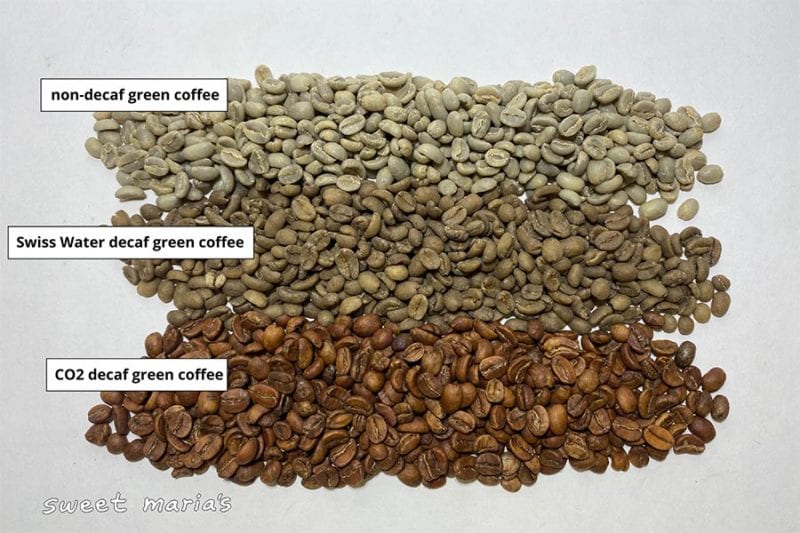
There are three main methods, and none of them involve tiny robots pulling caffeine out with tweezers. The Swiss Water Process is my favorite—it uses only water and osmosis to gently remove caffeine. It’s like using a slow, lazy river to wash away worries. This method keeps the flavor intact and is 100% chemical-free.
Then there’s the direct solvent method (which sounds scary, but isn’t). They use a safe chemical like ethyl acetate, which is naturally found in fruits. The caffeine latches onto it, leaving the bean unharmed. It’s like a friend who helps you carry your groceries, but the friend is a molecule.
Finally, the carbon dioxide method—the fancy one. They pressurize CO2 gas until it becomes a liquid, which acts like a caffeine magnet. It’s high-tech, expensive, and makes the beans taste fantastic. Fancy, right? You can now impress your friends at brunch.
![How Decaf Coffee is Made - Easy to Follow Guide [with Infographic]](https://homecoffeeexpert.com/wp-content/uploads/2022/05/Featured-How-Decaf-Coffee-is-Made.jpg) How Decaf Coffee is Made - Easy to Follow Guide [with Infographic]
How Decaf Coffee is Made - Easy to Follow Guide [with Infographic]
Why Would Anyone Drink Decaf?
Maybe you’re like me—a person who loves the ritual of coffee but doesn’t want to vibrate through the ceiling. A warm mug in your hands, the smell of roasted beans, that first sip… it’s pure comfort. Decaf lets you have that without turning into a human jackhammer.
Some drink it because caffeine gives them anxiety, insomnia, or heart palpitations. Others are pregnant, or on medications that don’t mix with caffeine. And then there’s the bold truth: sometimes you just want a second cup at 8 PM without lying awake at 2 AM questioning every life choice you’ve ever made.
Let’s not forget the fun fact: decaf still has a tiny bit of caffeine—about 2-7 mg per cup, compared to 95 mg in regular. So you aren’t drinking “nothing”; you’re drinking a whisper of energy. It’s like a lullaby that hums, “You could nap, but you could also read a book.”
Common Myths (Busted with a Smile)
Myth #1: Decaf is flavorless. Nope. Bad decaf is flavorless, just like bad regular coffee. A well-roasted, freshly ground decaf can be nutty, chocolatey, and smooth. Don’t blame the bean if you bought stale garbage.
Myth #2: Decaf is full of chemicals. Not necessarily. The Swiss Water Process uses nothing but H2O. And even the solvent methods use compounds that are on your dinner plate (ethyl acetate is in bananas and apples). You’re not drinking battery acid, I promise.
Myth #3: Decaf is for “weak” people. Oh please—ordering decaf takes more confidence than drinking six triple espressos to look tough. It’s self-care, not cowardice. You do you, and I’ll do my weak, calm, happy decaf.
 What Is The Meaning Of Decaf Coffee at Elizabeth Ashworth blog
How to Pick a Good Decaf
Look for “Swiss Water Process” on the bag if you’re a purist. Check the roast date—freshness matters more for decaf because the beans can go stale faster. Buy whole beans and grind them yourself; it’s worth the extra 20 seconds.
Try a medium roast. Dark roasts can taste burned if they’re not handled well, while light roasts might taste hollow. The sweet spot is like Goldilocks’s porridge—just right, with notes of cocoa or caramel.
And don’t be afraid to ask your barista for recommendations. They’ve tasted it all. If they roll their eyes at your decaf order, find a new barista. Life’s too short for coffee shame.
The Uplifting Conclusion (You Deserve This)
In the end, decaf coffee is about choice. It’s the freedom to enjoy a familiar comfort without the side effects you don’t want. It’s saying, “Yes, I want the warmth, the ritual, and the flavor. But no, I don’t need to become a human lightning bolt.”
So pour yourself a cup—decaf or regular, I don’t judge. Hold that mug with two hands, breathe in the scent, and take a moment just for you. You are allowed to relax. You are allowed to have a quiet, cozy, caffeine-light afternooon.
And if anyone gives you a hard time, smile sweetly, sip your decaf, and remember: the best coffee is the one that makes you happy. Now go enjoy that cup—you’ve earned it. ☕✨
