What Is A Water Tester

Ever wonder what’s really in your tap water? You’re not alone. That clear glass might hold more than just H2O—think minerals, metals, or even tiny microbes. That’s where a wa...

Ever wonder what’s really in your tap water? You’re not alone. That clear glass might hold more than just H2O—think minerals, metals, or even tiny microbes.
That’s where a water tester comes in. It’s like a detective for your drinking glass, revealing the secret life of water.
So, what exactly is this gadget? Simply put, a water tester is a device or kit that measures the quality of water. It can check for things like pH balance, hardness, chlorine, or even lead.
Must Read
Why Should You Care About Water Testing?
Imagine biting into a sandwich you think is perfect, but it’s secretly made with spoiled ingredients. You’d want to know, right?
Water is the same. It might look clean, but invisible stuff can affect your health, your pipes, or even the taste of your morning coffee. A water tester gives you a peek behind the curtain.
And here’s the kicker: it’s not just for paranoid people. Aquarium owners, gardeners, and even home brewers rely on these tools daily.
What Can a Water Tester Actually Find?
Think of it as a multi-tool for liquid. It can detect total dissolved solids (TDS)—that’s fancy jargon for stuff like calcium, salt, or even nitrates.
Got a weird metallic taste? That could be iron or copper. A slimy feel? Might be hard water loaded with minerals. A water tester spills the tea without you needing a chemistry degree.
Some testers even go deep, checking for bacteria like E. coli. Yeah, it’s that serious—but also that cool.
Types of Water Testers: From Simple to Sci-Fi
You don’t need a lab coat to play scientist. There are dip strips—little paper sticks that change color. Just dip, wait, and compare to a chart. It’s like a mood ring for your water.
Then there are digital meters. These look like fat pens with a screen. Stick them in, and boom—numbers pop up telling you the TDS or pH in seconds. It’s instant gratification for the curious mind.
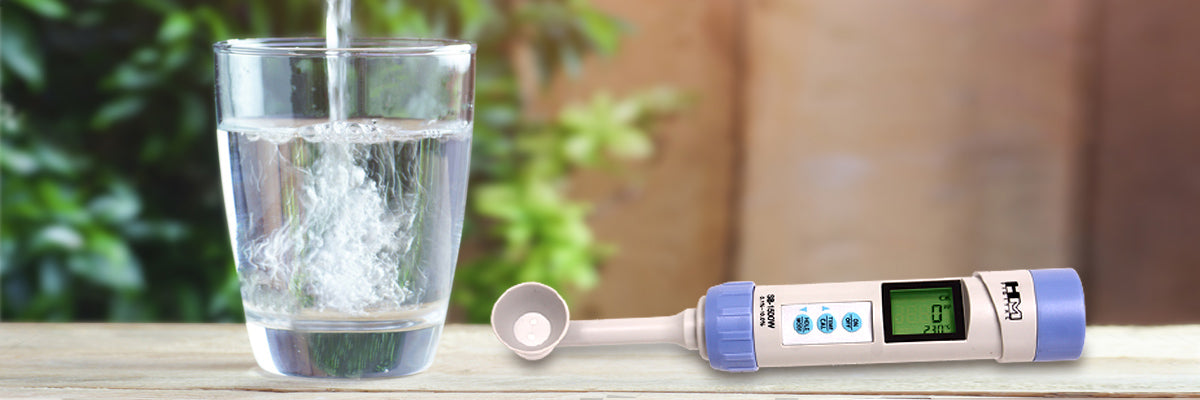 Water Testers
Feeling extra? You can even get smart testers that connect to your phone via Bluetooth. Fancy, right? They log data and alert you when something’s off, like a personal water butler.
Why It’s Actually Fun (Not Just Nerdy)
Here’s the thing: testing water turns a boring chore into a tiny adventure. Ever wonder why your friend’s plants are thriving while yours look sad?
Test the water you’re using. Maybe yours is too alkaline or too salty. A water tester turns you into a plant whisperer—you’ll know exactly what your green buddies need.
Or picture this: you’re at a natural spring, filling up a bottle. Is it safe? A quick test gives you the truth in real time. It’s like having x-ray vision for the invisible world.
Common Myths vs. Reality
Myth: “If it tastes fine, it’s fine.” Nope. Contaminants like arsenic or radon have no taste or smell. Your tongue isn’t a lab.
Myth: “All bottled water is pure.” Actually, some is just tap water in disguise. A tester can reveal if your expensive bottle is just fancy tap juice.
Myth: “You only test once.” Water quality changes with seasons, pipe rust, or local flooding. Regular testing means peace of mind, not guesswork.
How to Pick Your First Water Tester
Start simple. A basic TDS meter costs about the same as a pizza night. It won’t catch bacteria or heavy metals, but it’s a great entry point.
 DANOPLUS 7 in 1 Water Quality Tester, Multifunctional pH TDS EC ORP
If you’re worried about lead or pesticides, grab a comprehensive kit with multiple test strips. They’re like a starter pack for water sleuthing.
And remember: you don’t need to test for everything. Ask yourself—are you testing for taste, safety, or plant health? That will guide your choice.
The Weirdest Thing About Water Testers
Here’s a mind-bender: some testers can tell you if your water is too pure. Yes, that’s a thing. Distilled or reverse-osmosis water has almost no minerals, which can actually leach minerals from your body over time.
So a low TDS reading isn’t always a win. It’s all about balance—like Goldilocks, but with H2O.
And you might discover that your “softened” water (from a water softener) has high sodium. Suddenly, that diet soda explanation makes sense.
Final Sips of Wisdom
A water tester isn’t a toy—but it’s definitely fun to use. It turns a tap into a conversation starter, a glass into a science experiment.
So go ahead, grab a tester next time you’re curious. Your pipes, plants, and palate will thank you.
After all, isn’t it better to know exactly what you’re drinking? The answer, like pure water, should be clear.
