How To Make Water Pink

Let’s be real for a second: the internet has turned wellness into a spectacle. But every now and then, a trend pops up that’s less about the hustle and more about the vibe. En...
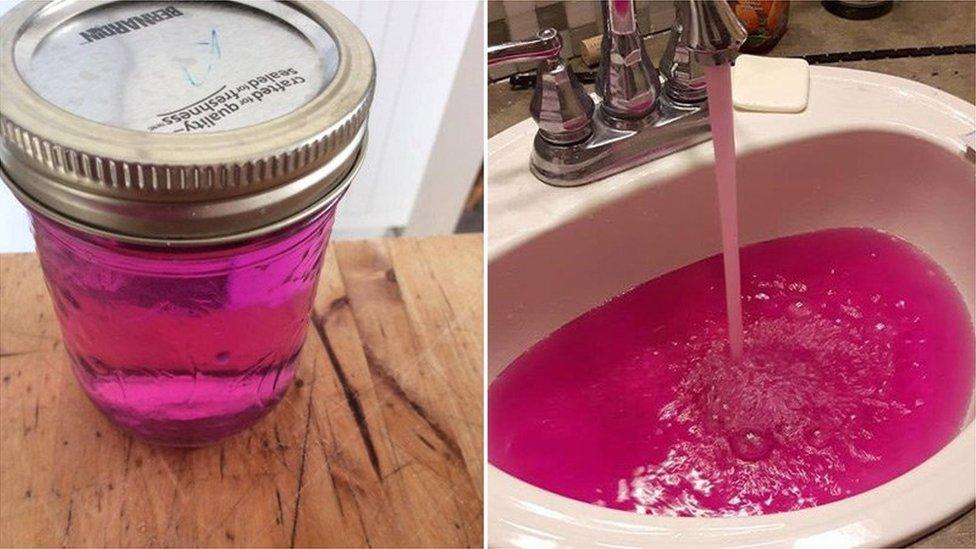
Let’s be real for a second: the internet has turned wellness into a spectacle. But every now and then, a trend pops up that’s less about the hustle and more about the vibe. Enter pink water—not a filter, not a dye, but a gentle, aesthetic shift that makes your hydration feel like a ritual.
Making your water pink is about adding natural ingredients that tint the liquid while boosting flavor and nutrients. Think of it as a spa moment in your own kitchen, with zero judgment and maximum chill. The best part? It’s outrageously easy.
The Classic: Hibiscus Magic
If you want a deep, rosy hue that looks like liquid sunset, hibiscus is your star player. Dried hibiscus flowers (sold in tea bags or loose) release a gorgeous magenta when steeped in cold or hot water.
Must Read
Drop a handful into a pitcher of cold water and let it sit for two hours in the fridge. The result is a tart, cranberry-like drink that’s packed with vitamin C and antioxidants. Fun fact: In Mexico, this drink is called agua de jamaica and is served at almost every street-side taqueria.
For a sweeter version, stir in a teaspoon of honey or agave. Pro tip: Add a few slices of strawberry for bonus pinkness and a subtle fruity note.
The Beetroot Blush
Beetroot is the hidden gem of pink water because it’s earthy, earthy, and surprisingly bold. You don’t need much: just a few thin slices of raw or roasted beet dropped into your water bottle.
Let it steep for about thirty minutes at room temperature. Swish it around and watch the water turn a soft, dusty rose. The flavor is mild—think mineral water with a whisper of soil—but it’s grounding in a way that feels very farm-to-table.
Cultural note: In Eastern Europe, beet kvass is a fermented pink drink that’s beloved for gut health. Your pink water is the non-fermented, lazy-day cousin, and that’s perfectly okay.
Raspberry or Pomegranate Splash
For a vibrant, almost neon pink, turn to crushed raspberries or a splash of unsweetened pomegranate juice. These fruits are the life of the party when it comes to color and taste.
Muddle a handful of fresh or frozen raspberries in the bottom of a glass, then fill with sparkling or still water. The tiny seeds add a bit of texture, but you can strain them out if you prefer a smooth drink. Tip: Freeze raspberries in ice cube trays for an instant pink press.
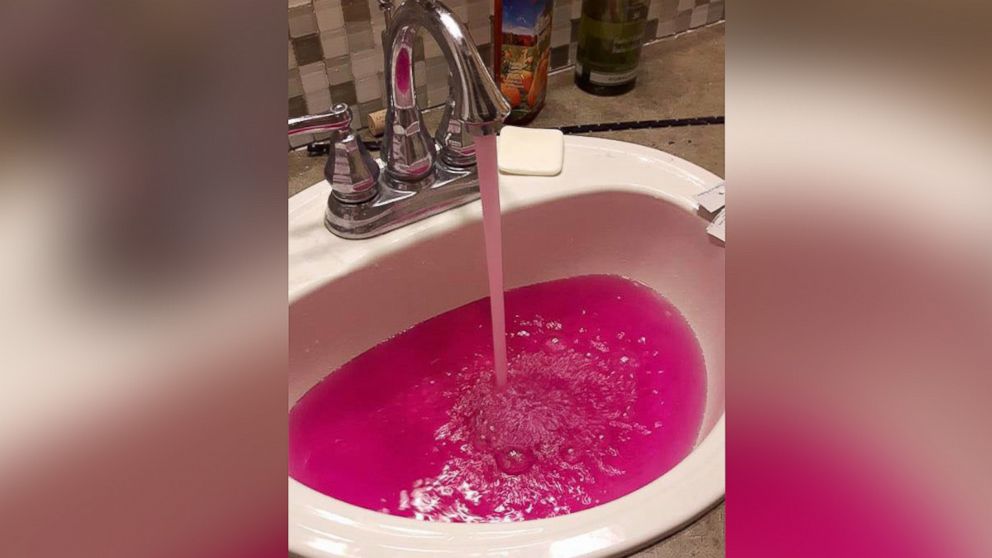 How To Dye Water Pink _ How to dye water? – RANP
Pomegranate juice works faster: just one tablespoon turns a tall glass of water into a ballet slipper pink. It’s also rich in ellagic acid, which studies suggest may support skin health and reduce inflammation.
Dragon Fruit Dreams
Pitaya, or dragon fruit, is the trend-setter of the pink water world. The bright magenta flesh (the pink variety, not the white) blends seamlessly into water without overpowering the flavor.
Freeze cubes of puréed dragon fruit in an ice tray, then pop one or two into your water. As they melt, they release a soft magenta trail that swirls like a galaxy. The taste is barely there—just a hint of tropical sweetness.
This method is pure Instagram gold, but it’s also a great way to sneak in prebiotics and magnesium. It’s basically self-care that looks like a magic trick.
A Pinch of Rose Petals
For the romantics, dried culinary rose petals bring an elegant, pale pink to water. Use only food-grade rose petals (avoid florist flowers, which may have pesticides).
Steep a tablespoon of petals in cold water for about an hour. The color is subtle—like a watercolor wash—and the fragrance is dreamy without being cloying. Did you know? Rosewater is a traditional ingredient in Middle Eastern desserts and beauty rituals, dating back centuries.
Pair with a slice of cucumber for a spa-day vibe that doubles as a conversation starter. Your guests will think you’re a mixologist.
 Coconut Water Pink Drink at Floyd Holley blog
Practical Tips for the Perfect Pink
Start with filtered water. Tap water with high chlorine or minerals can dull the color and add off-flavors. Use cold or room-temperature water for the clearest hue.
Patience is your friend. Most pink waters need at least 30 minutes to steep. Overnight infusions in the fridge produce deeper colors and stronger flavors, like a slow-brewed tea.
Play with bubbles. Sparkling water amplifies the visual fizz and makes pink water feel celebratory. It’s perfect for brunch or a quiet evening when you want something fancy but not alcoholic.
Don’t over-commit. Make small batches—pink water is best enjoyed fresh, as colors can fade or turn murky after 24 hours. A mason jar or a glass carafe works beautifully.
Mix and match. Combine hibiscus with raspberry for a double pink effect. Beetroot with rose petals gives a dusty, romantic shade. The rules are suggestions, not laws.
Why Pink Water Matters
This isn’t about chasing a trend or impressing your followers. Making your water pink is a tiny, joyful act that turns a mundane task into a moment of presence. You pause, you choose a color, you wait.
In a world that moves too fast, pink water is permission to slow down. It’s a gentle reminder that small aesthetics—a rosy glass on your desk, a pink ice cube clinking—can shift your mood from reactive to receptive.
So the next time you reach for a glass, let it be pink. Let it be playful. And let it remind you that the best things in life are often the simplest, prettiest, and absolutely unnecessary—yet somehow exactly what you needed.
