How To Stop Hard Water

Ever notice those chalky white spots on your otherwise spotless wine glasses? Or maybe your skin feels a little tight and itchy after a shower, no matter how much lotion you u...
Ever notice those chalky white spots on your otherwise spotless wine glasses? Or maybe your skin feels a little tight and itchy after a shower, no matter how much lotion you use?
That’s the work of hard water—basically, water that’s packed with extra minerals like calcium and magnesium. It’s not dangerous, but it’s a total nuisance, like a clingy friend who leaves a mess everywhere they go.
So, how do you stop it without turning your home into a science lab? Let’s chill out and explore some simple, satisfying fixes.
Must Read
Why bother? (Besides the obvious white spots)
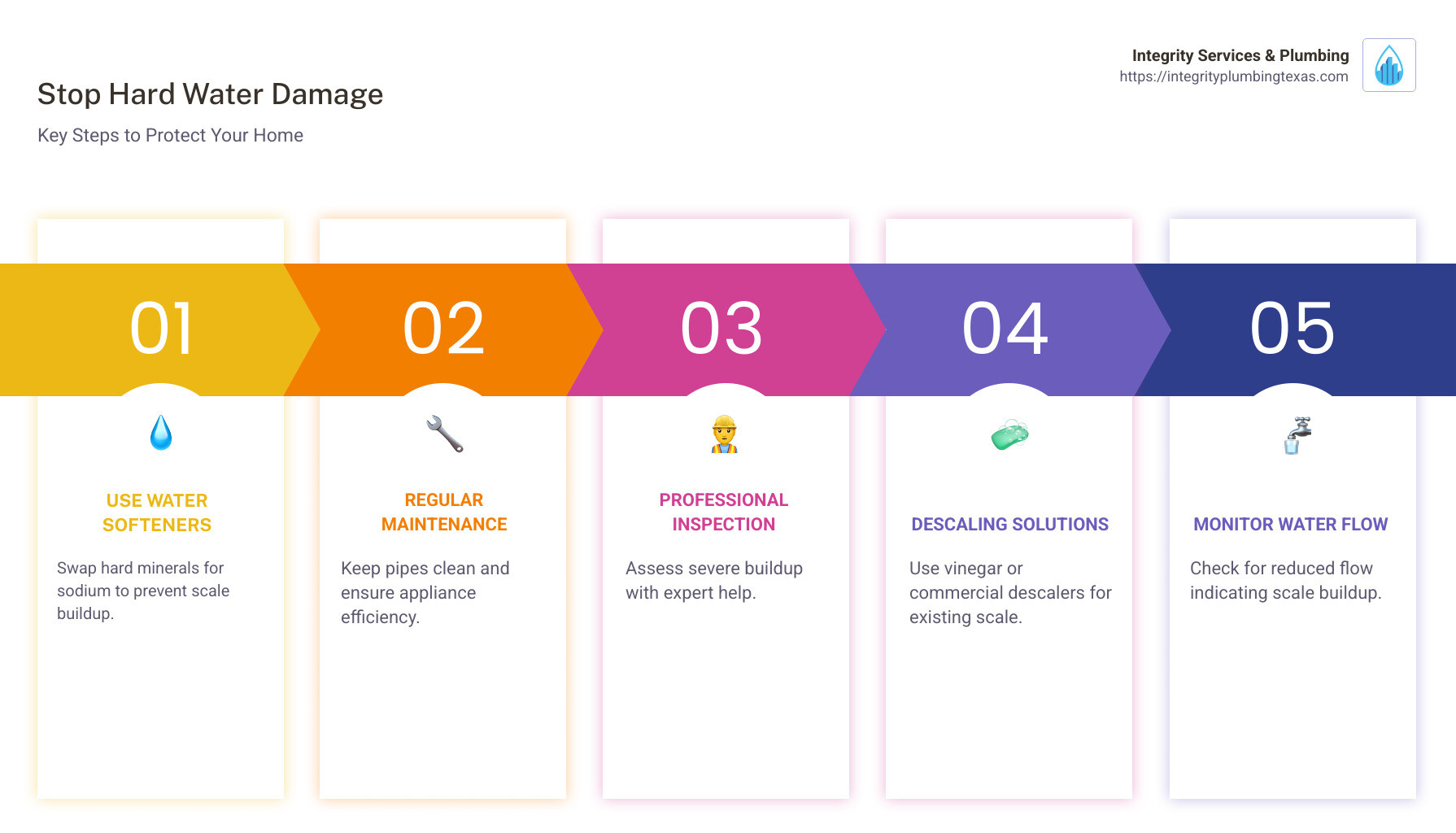
First, a quick reality check: hard water isn’t just about ugly stains. It’s basically mineral sandpaper for your pipes, appliances, and even your hair. Over time, it builds up scale inside your coffee maker, dishwasher, and water heater, making them work harder and die younger.
Ever felt like your shampoo just isn’t lathering up? That’s the calcium fighting your soap. You end up using more product, which gets expensive. Plus, that “squeaky clean” feeling on your skin? That’s actually a leftover film of soap scum—not the good kind of clean.
The main event: How to actually stop it
Option 1: The whole-house hero—a water softener
Think of a water softener as the bouncer at a club. It kicks out the calcium and magnesium ions and replaces them with sodium or potassium. The result is gloriously “soft” water that feels silky and makes soap foam up like a dream.
It hooks into your main water line, so every tap and shower in your house gets the treatment. It’s the most effective method, but it’s a bit of an investment—think of it as buying peace of mind for your dishwasher and your skin.
Is it cool? Totally. You’ll notice the difference the first time you wash your hands. It feels like you’re using bottled water, but for everything.
 How to Avoid Hard Water Problems | Art Plumbing, Air Conditioning
Option 2: The spot-saver—a showerhead filter
Not ready to go all-in on a whole-house system? No problem. A showerhead filter is your low-commitment, high-reward buddy. It screws right onto your existing shower arm and filters out a chunk of the minerals.
Your skin and hair will thank you. Less dryness, less frizz, and that weird white residue on your shower door? It shrinks down to almost nothing. It’s like giving your morning routine a gentle upgrade without remodeling your basement.
Plus, installation takes about five minutes. You don’t even need a wrench—just your hands and a little bit of confidence.
Option 3: The old-school hack—vinegar and baking soda
For when you just need to clean up the evidence of hard water, look no further than your kitchen cabinet. White vinegar is a mild acid that dissolves mineral scale like magic. Fill a bag with vinegar, tie it around your faucet or showerhead, and let it soak for an hour. No scrubbing required.
Baking soda is your gentle scrub for spots on glassware or tiles. Make a paste, rub it on, rinse—and poof, the whitespots vanish. It’s cheap, non-toxic, and makes you feel like a DIY wizard.
This isn’t a permanent fix, but it’s a satisfying ritual. Put on a podcast, soak your faucets, and imagine all those minerals dissolving away.
 How to Remove Hard Water Buildup From Faucet | Easy Hard Water Stain
What about those “electronic” descalers?
You might see gadgets that claim to use magnets or electricity to “change” the minerals. Honestly? They’re a mixed bag. Some people swear by them for reducing scale in pipes, but they don’t actually remove the minerals like a softener does.
If you’re curious, they’re cheap to try, but don’t expect your soap to lather any better. They’re more like a band-aid than a cure.
One surprising upside of hard water
Here’s the twist: hard water isn’t all bad. Those extra minerals? They’re essential nutrients for your body. You get a little extra calcium and magnesium just by drinking it. In fact, some studies suggest soft water might even increase the sodium levels in your diet (if you use a salt-based softener).
So, you don’t have to panic. The goal isn’t to destroy the minerals—it’s just to tame them. Like a lion in a circus, but for your pipes.
The chill takeaway
Stopping hard water doesn’t have to be a stressful project. Start small: grab a showerhead filter or a bottle of vinegar. See how your skin and your kettle feel. If you love it, maybe go for the whole-house softener later.
You’re basically giving your home a spa treatment. And honestly, your coffee machine deserves it after all those morning brews, right?
