What Is A Water Well

You know that moment when you’re parched after mowing the lawn, and you twist the faucet, expecting a cool gush? And there it is—a steady, faithful stream. That’s all thanks t...
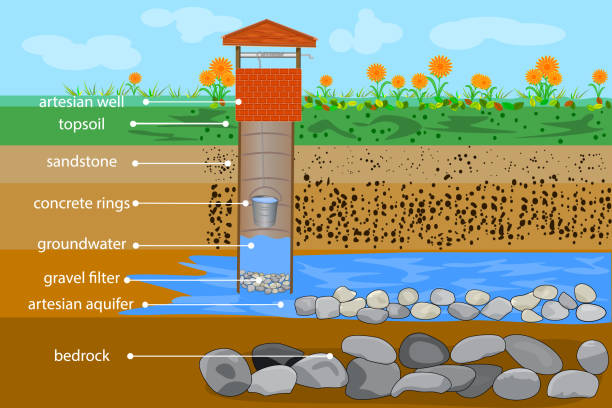
You know that moment when you’re parched after mowing the lawn, and you twist the faucet, expecting a cool gush? And there it is—a steady, faithful stream. That’s all thanks to a water well, but let’s be honest: we rarely think about where it actually comes from. A water well is basically a giant straw you plunge into the earth to suck up a drink from a hidden underground lake.
Think of it like this: the ground is a giant, soggy sponge. When it rains, the water soaks down through layers of sand, rock, and dirt, settling in what’s called an aquifer. That’s just a fancy word for underground water storage, a bit like Mother Nature’s secret water bottle. You drill a hole down into that sponge, drop in a pipe, and voilà—you’ve got your very own personal oasis.
How It Works (Without Getting Too Science-y)
Imagine you’re at a soda fountain, but the syrup is deep underground. Instead of a pump on the counter, you have a pump at the bottom of a pipe. When you need a glass, the pump kicks on and pushes that liquid gold up to your sink. It’s basically a magic trick, but with more PVC pipe and less top hats.
Must Read
Old-school wells used a bucket on a rope—picture a scene from a cartoon where a goofy guy drops a tin pail down a hole. Modern wells are way classier; they use a submersible pump that sits hundreds of feet down, silently doing its job like a busy dwarf in a mine. You flip a switch, and the house gets water, no bucket-bailing required.
The Great “Where Does It Come From?” Mystery
I remember visiting my grandpa’s farm as a kid. He’d point at a rusty pipe sticking out of the ground and say, “That’s where your bath water comes from.” I imagined a tiny, underground river with happy fish and a water-fairy filling buckets. In reality, it’s just rainwater that traveled through dirt for decades, getting filtered along the way.
That’s the fun part: well water is usually better than city water because it hasn’t been treated with chlorine or tasted a hundred different pipes. But it does have a personality—sometimes it’s a bit hard (that’s just calcium, not a grumpy mood), or it smells a little like a wet rock. It’s the terroir of your taps, if you will.
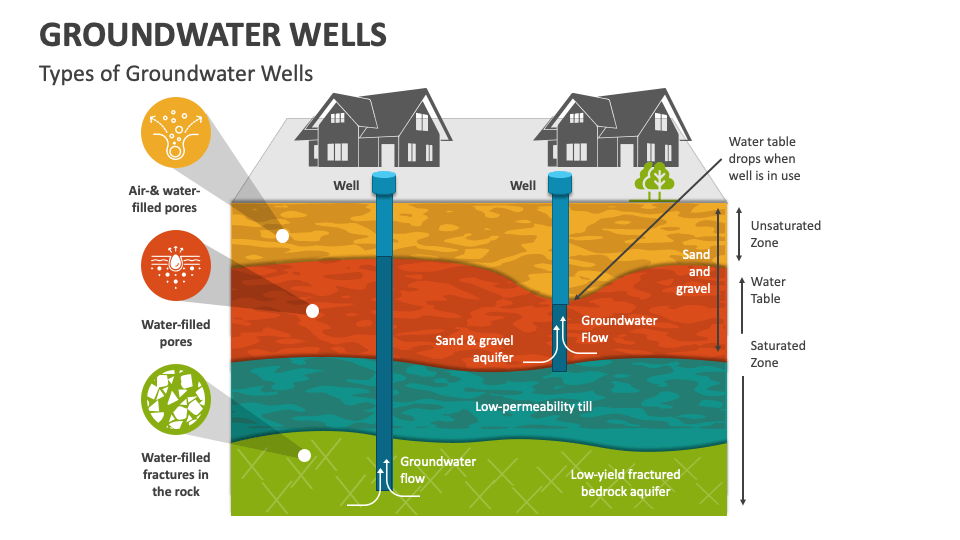 Underground Water Well Diagram Well Pump Pipe Size | Typical
Why You Should Care (Even If You Don’t Own a Well)
Forty-three million Americans get their water from a well—that’s a whole lot of people who never pay a water bill. They pay for electricity to run the pump, sure, but the water itself? Free. It’s like having a subscription to the planet’s most abundant streaming service, except you never worry about buffering.
And here’s a funny thing: when the power goes out, your neighbor with a well is suddenly a very popular person. No electricity means no pump, which means no flushing. It’s the great equalizer—everyone suddenly remembers how to haul buckets from the creek, at least until the lights come back on.
The Drilling: A Spectacle of Noise and Mud
Getting a well drilled is not a quiet event. A big truck shows up with a drill bit as tall as a giraffe, and then it’s all BANG, CRUNCH, GRIND for two days. The ground spits out mud and rock like a toddler having a tantrum. But when they hit water? Everyone cheers, because that means you can finally take a shower without smelling like a campfire.
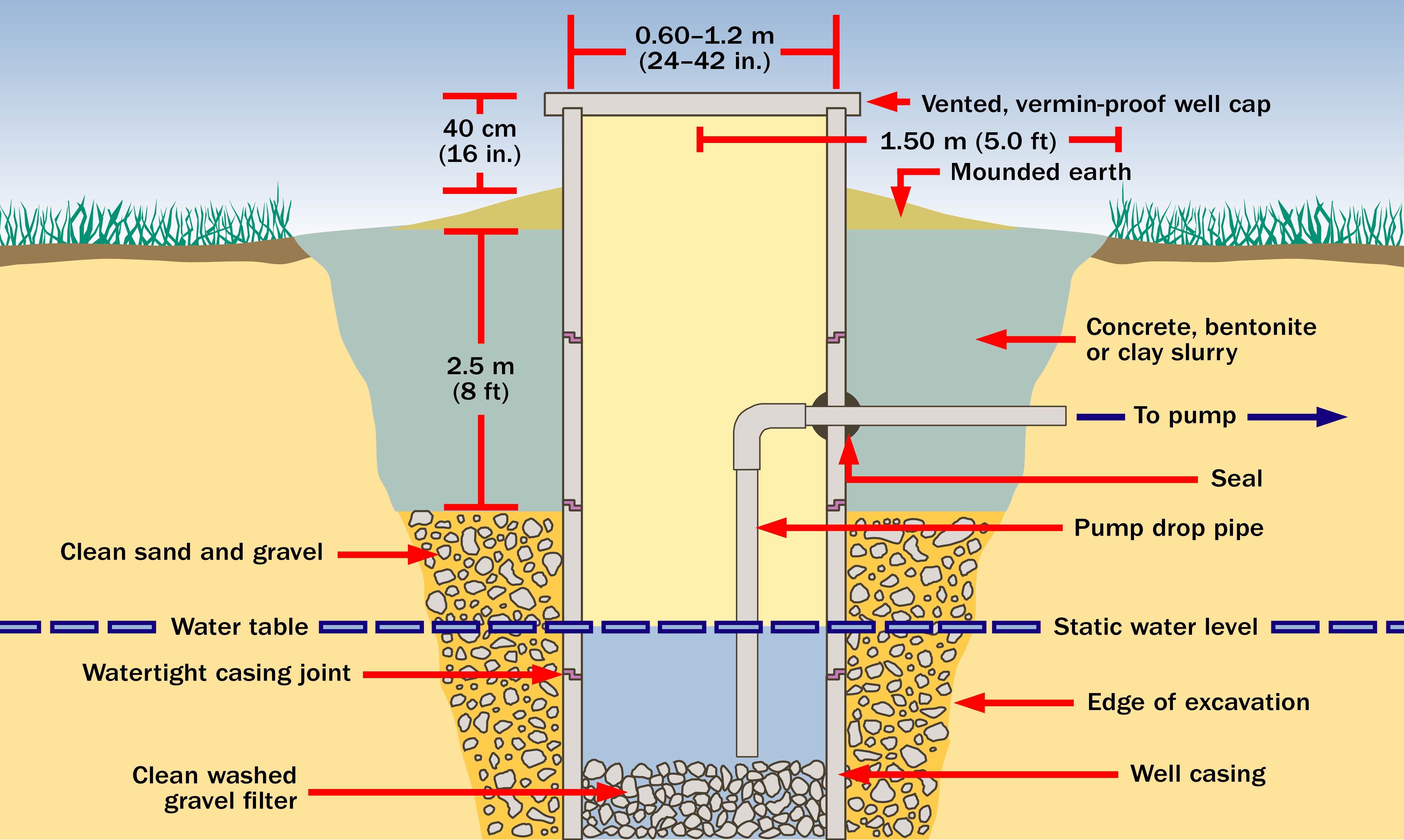 Groundwater Well And Pump
I once watched a well drill go four hundred feet deep before hitting a good flow. That’s deeper than a football field is long. The driller’s face lit up like a kid who found the last cookie. “She’s a gusher,” he said, and then we had to explain to my four-year-old that no, there would not be an oil-wells-style geyser in the backyard.
The Quirks of Well Life
If you own a well, you learn to respect the pump. A well pump is like a stubborn mule: it works hard, but if you ignore it, it’ll kick. You’ll develop a sixth sense for weird gurgles, and you’ll know exactly which faucet makes the worst noise when the pressure tank is acting up. It’s a relationship, not a utility.
Also, there’s the annual water test. You send a sample to a lab and wait nervously like it’s a pregnancy test for your plumbing. They check for bacteria, nitrate, and arsenic. Most times it’s fine, but that moment of panic when you think “Did my well just poison my coffee?” is a bond you share with every other well owner.
So, the next time you fill a glass, give a little nod to the hidden reservoir beneath your feet. A water well is simply a one-way ticket to the Earth’s own pantry. It’s honest, it’s deep, and it’s always there—even if it does occasionally taste a bit like a mossy rock. But hey, that’s just character.
