What Is A Water Test

So, you’ve heard someone mention a “water test.” Maybe it was your well-meaning neighbor, a plumber with a clipboard, or that slightly-too-enthusiastic friend who just bought...
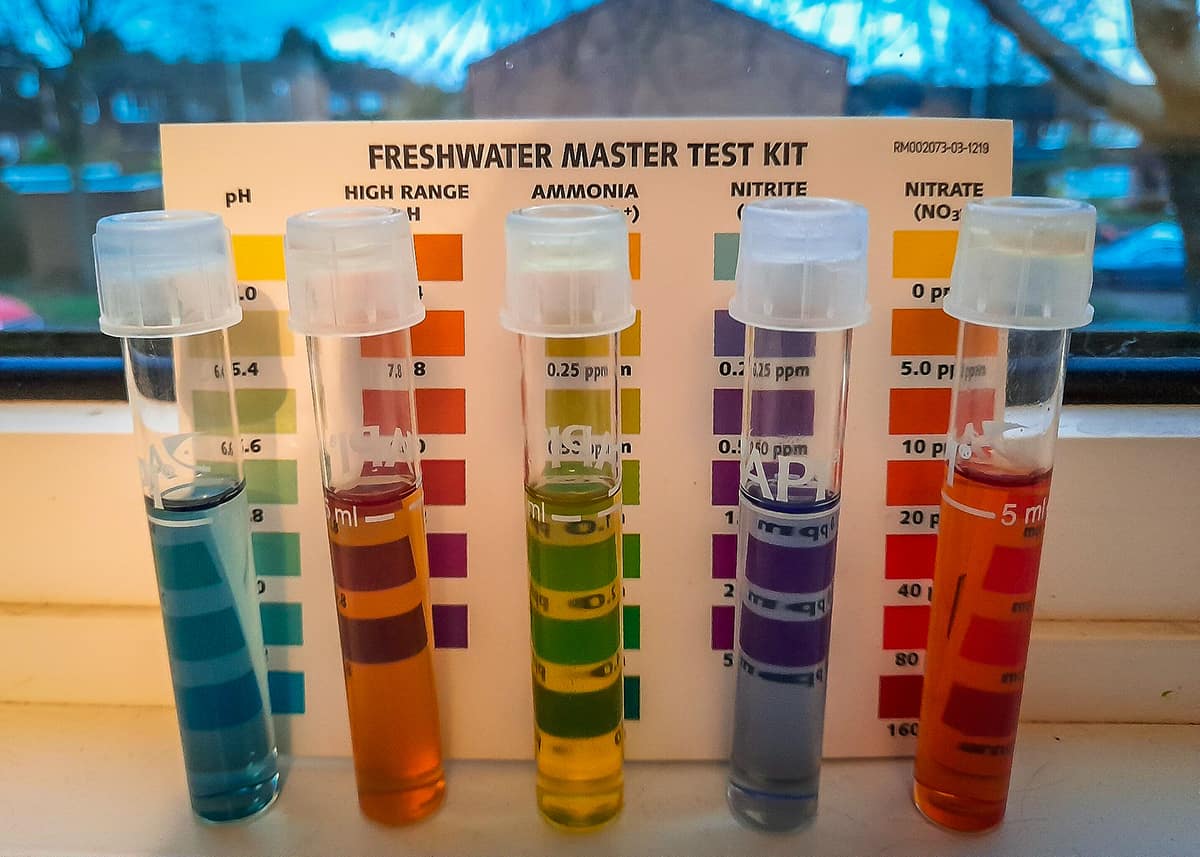
So, you’ve heard someone mention a “water test.” Maybe it was your well-meaning neighbor, a plumber with a clipboard, or that slightly-too-enthusiastic friend who just bought a countertop distiller. You nodded along, but inside you were thinking: What on earth is a water test? Let’s grab a metaphorical cup of joe and break it down. No lab coats required, I promise.
First things first: a water test is exactly what it sounds like. It’s giving your tap water a performance review. Yes, your water has a job—it carries minerals, bacteria, and sometimes undesirable stuff. A test checks if it’s doing that job well or if it’s slacking off. Think of it as a tiny detective examining a glass of water for clues.
Why would you even need one?
Here’s the thing: water looks clear, but it can be hiding a lot. That crystal-clear glass from your kitchen might contain things you can’t see, taste, or smell. Yeah, creepy, right? It could have lead from old pipes, excess chlorine, or even microscopic critters. A water test finds those sneaky little guests.
Must Read
You’d run a test if your water tastes weird—like metal, dirt, or “pool.” Or maybe it leaves stains on your sinks or laundry. (Blue stains? That’s probably acidic water. Red-brown? Hello, rust.) And if you live on a well, the government isn’t testing it for you. That’s on you, my friend.
What does a water test actually check for?
It’s not one big magic wand. Different tests look for different things. A basic home kit checks pH, hardness (calcium and magnesium), chlorine, and maybe nitrates. But a lab test? Oh, that’s the VIP treatment. It hunts for heavy metals like lead, arsenic, copper, and even bacteria like E. coli.
Want to get technical? They also measure total dissolved solids (TDS). That’s a fancy way of saying “how much stuff is floating in your water.” High TDS can mean salty water, mineral buildup, or contamination. But low TDS isn’t always a win—it can taste flat, like drinking rain.
 How to Test Water Quality at Home: Your Complete Guide – World Water
The two ways to test: DIY vs. Pro
You can buy a home test kit at a big-box store. It’s like a science project for adults: dip a strip, wait 30 seconds, compare colors. Easy? Yes. Accurate? Kind of. They give you a general idea, but they’re not precise for tiny amounts of bad stuff.
Then there’s the professional route. You fill a sterile bottle, mail it to a certified lab, and wait for a report. It’s more expensive (think $30 to $200), but you get a detailed breakdown. They’ll tell you things like “your water has 0.4 ppm of copper” and whether that’s a problem. If you’re on a well or have old pipes, this is the smart play.
When should you freak out?
Don’t panic over every tiny number. Some minerals—like calcium—are totally fine and even good for you. But if your test shows lead, arsenic, or total coliform bacteria, that’s a red flag. Those are the party crashers you don’t invite back. Also, if your water has a pH below 6.5 (acidic), it can corrode pipes. That’s when you call a pro, not just your friend with a Brita filter.
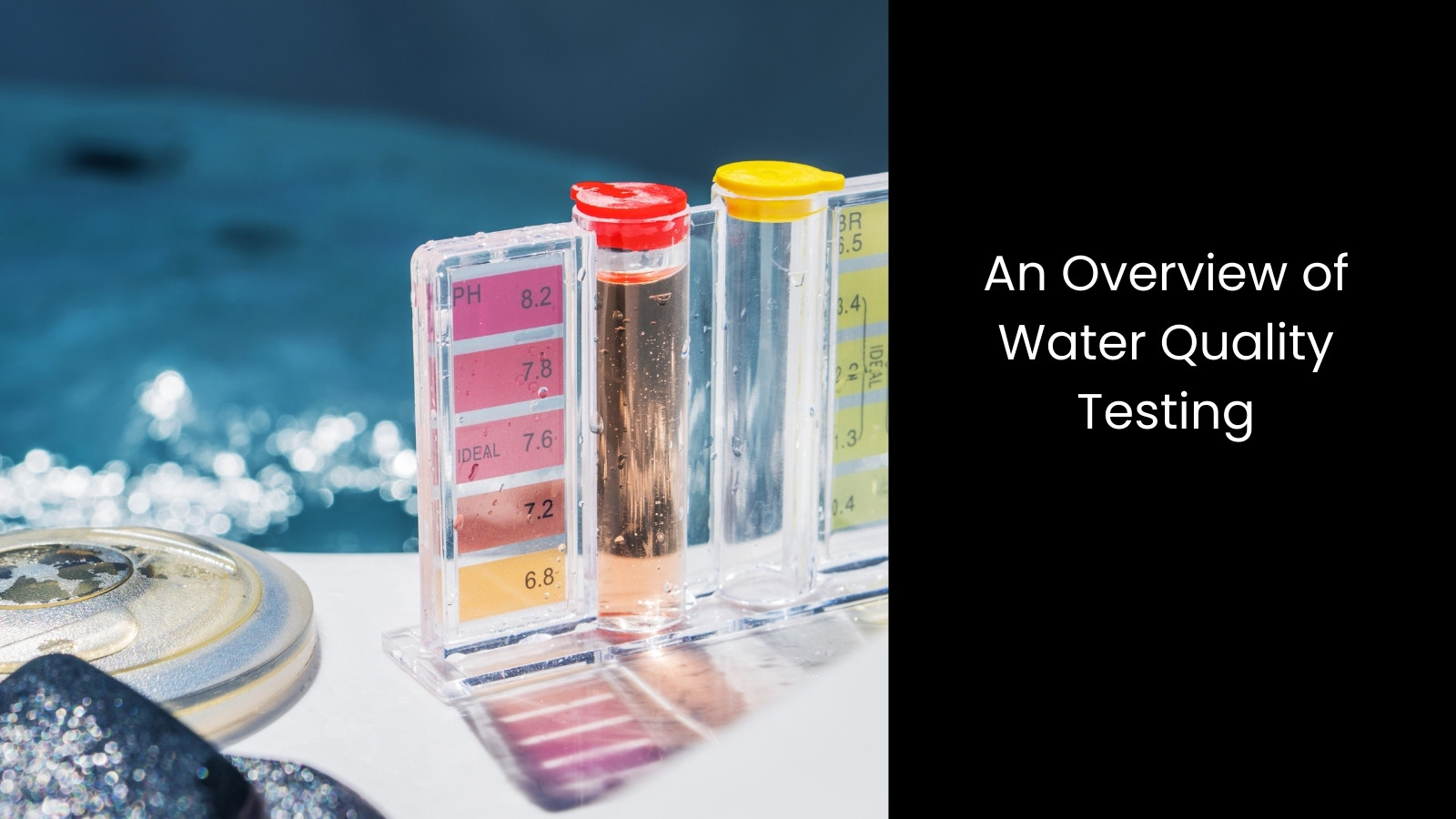 What are the Three Types of Water Quality Testing? | Tigernix Australia
But here’s a little secret: tap water in most U.S. cities is safe. It’s tested regularly by the municipality. The main reason to test your own tap? If you live in an older home or have a private well. Or if you just bought a fancy water filter and want to see if it’s actually working—like a science victory lap.
What you do with the results
Okay, you got your test back. Now what? If everything is peachy, pat yourself on the back and keep drinking. If something is off, you have options. A countertop filter for chlorine and taste, a reverse osmosis system for heavy metals, or a water softener for hard water (the stuff that furs up your kettle).
For serious issues—like bacteria or lead—you might need a whole-house system or even a new pipe. Don’t ignore it. Bad water can mess with your digestion, skin, and over time, your health. But also, don’t become “that person” who tests their water every month. Once a year is plenty, unless you notice a change.
So, to wrap up this coffee chat: a water test is your tap’s annual checkup. It’s not scary, not expensive, and pretty darn useful. You wouldn’t drive a car without checking the oil, right? Same logic applies to your drinking water. Now go take a sip—and maybe order a test kit while you’re at it. You’ve got this.
