What Is The Di Water

You’ve seen it on fancy product labels, whispered about in skincare forums, and maybe even spotted it in a gleaming lab beaker. It’s DI water—deionized water—and it’s not just...
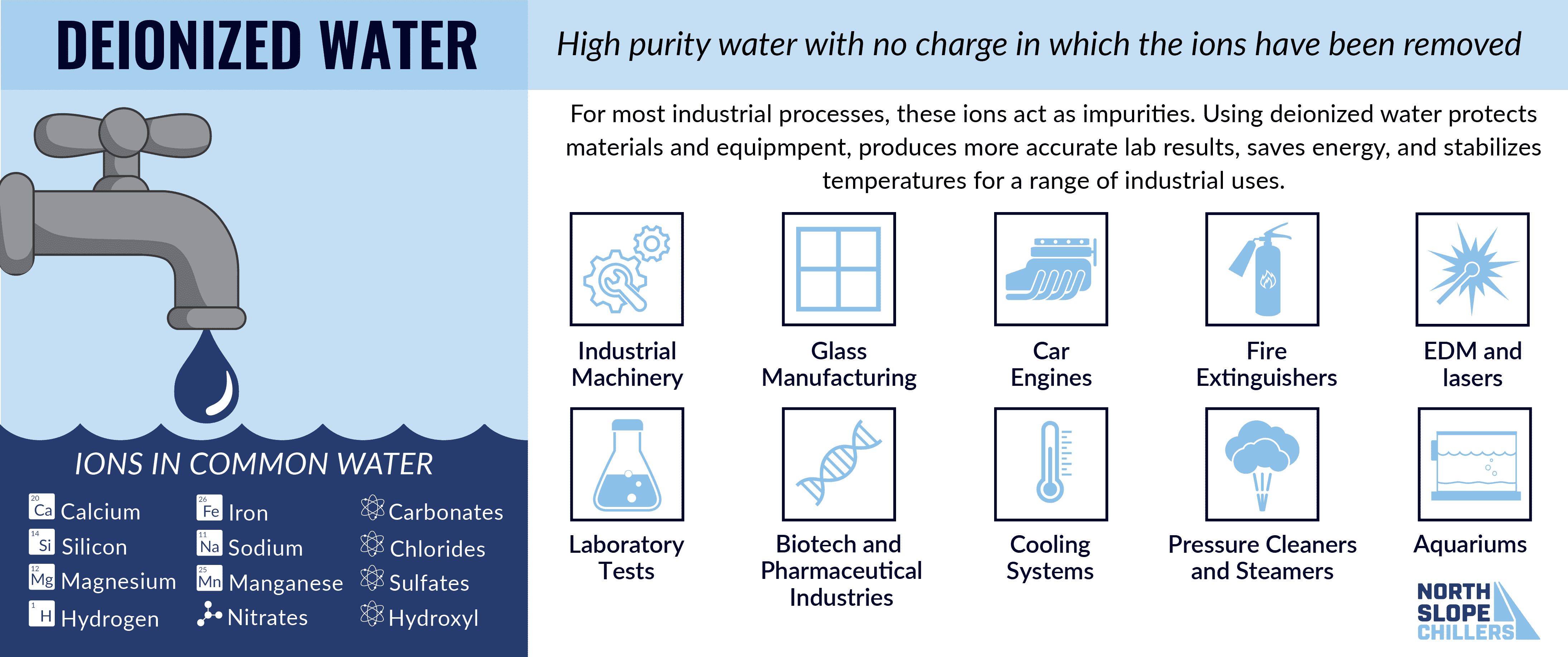
You’ve seen it on fancy product labels, whispered about in skincare forums, and maybe even spotted it in a gleaming lab beaker. It’s DI water—deionized water—and it’s not just another trendy hydration gimmick. Think of it as the chameleon of the liquid world, stripped of all its ions to become a pure, blank canvas.
In essence, DI water is ordinary water that has been passed through a resin filter that grabs hold of charged particles like a magnet. Those particles—calcium, magnesium, sodium, and chlorine—are what make tap water taste mineral-y or leave white spots on your glasses. Bye bye, minerals; hello, neutrality.
So, why does this matter? Because without those ions, DI water becomes an unrivaled solvent. It’s the chemical equivalent of a clean slate, which is why it’s the VIP guest in laboratories, car batteries, and—yes—your favorite high-tech humidifier.
Must Read
Where DI Water Lives (Hint: Not in Your Water Bottle)
Pop quiz: would you drink DI water straight? You can, but it’s about as exciting as listening to elevator music on repeat. Without minerals, it tastes flat and slightly acidic because it pulls carbon dioxide from the air. Most chemists stick to sipping tap water and leave the DI for their experiments.
That said, DI water is the unsung hero of modern convenience. It’s what prevents scale buildup in your steam iron, keeps your car’s cooling system from corroding, and extends the life of your espresso machine. Your morning latte owes a silent thank-you to deionization.
And beauty lovers, listen up: DI water is the base in many high-end serums and clean beauty products. Because it has no impurities, it won’t react with active ingredients like vitamin C or retinol. It’s the neutral friend who makes everyone else look good at the party.
The Science Bit (Made Painless)
Here’s the cool party trick: regular water conducts electricity because of its dissolved salts. DI water, however, is an insulator. That’s right—pure water won’t spark. In fact, its resistivity jumps from about 18,000 ohms in tap water to a mind-boggling 18 million ohms after deionization. It’s like turning a rock band into a silent meditation retreat.
But don’t let the lab jargon scare you. The process is simple: water flows through two types of resin beads—one positive, one negative—that swap out unwanted ions for hydrogen and hydroxide. These then combine to make more water. It’s recycling you can actually feel good about.
 Commercial DI Systems in Tampa Bay - Deionized Water Systems Treatment
Fun fact: astronauts on the ISS use a version of this technology to recycle everything from sweat to shower runoff. So the next time you use DI water in your iron, you’re basically channeling your inner space explorer.
Practical Tips for the Curious
Tip #1: Don’t swap it for tap water in your daily hydration. You need those minerals for everything from nerve function to bone health. Drink DI water occasionally? Fine. Live on it? Your body will send you a very mundane, grumpy memo.
Tip #2: Use it for your houseplants if you’re a perfectionist. Some indoor plants (like ferns and orchids) hate the chlorine and fluoride in tap water. DI water can be a gentle alternative, but watch out—it can deplete soil minerals over time. Balance is everything.
Tip #3: Keep a jug of DI water for your steam appliances. Your clothes steamer, humidifier, and even your glass stove top will thank you. No more white film on your windows or crunchy-scaling on your kettle. It’s the ultimate low-maintenance life hack.
Cultural Cameos and Odd Facts
In a way, DI water has become a status symbol in purity culture. It shows up in “artisanal” ice cubes for high-end cocktail bars—clear, slow-melting, and free of off-flavors. Ever seen whiskey served over a perfect sphere that looks like glass? That’s often DI ice.
 Deionized Water Storage Tank: 9 Practical Rules For Loop Design, Sizing
On the flip side, punk rockers might find it hilarious that DI water is also used to clean vinyl records. There’s something poetic about removing static and dust from a Sonic Youth album using the purest water this side of a laboratory.
And for the film buffs: remember the scene in Breaking Bad where Walter White gets obsessed with purity? He wasn’t just blowing smoke—the blue meth’s high purity was akin to the exacting standards of DI water. Purity matters, even when it’s illegal.
The Reflection: From Lab to Life
At its core, DI water is a quiet reminder that sometimes less is more. In a world crammed with mineral-infused, electrolyte-packed, super-charged everything, deionized water is the calm, empty space. It doesn’t try to be the hero—it just helps everything else work better.
Think about your own life: aren’t there moments when you need to strip away the noise? The buzzing notifications, the cluttered to-do list, the small irritants that build like calcium scale? Maybe we could all use a little deionization—a reset back to neutrality, a chance to start fresh.
So whether you’re using it to protect your espresso machine or simply appreciating it from afar, take a moment for DI water. It’s the unsung minimalist in a very hydrated world. And honestly? That’s a pretty chill role to play.
