Best Way To Remove Calcium Buildup

Let’s be honest: calcium buildup is the uninvited guest who overstays their welcome. It shows up as a crusty white film on your faucets, a stubborn ring in your kettle, or tha...
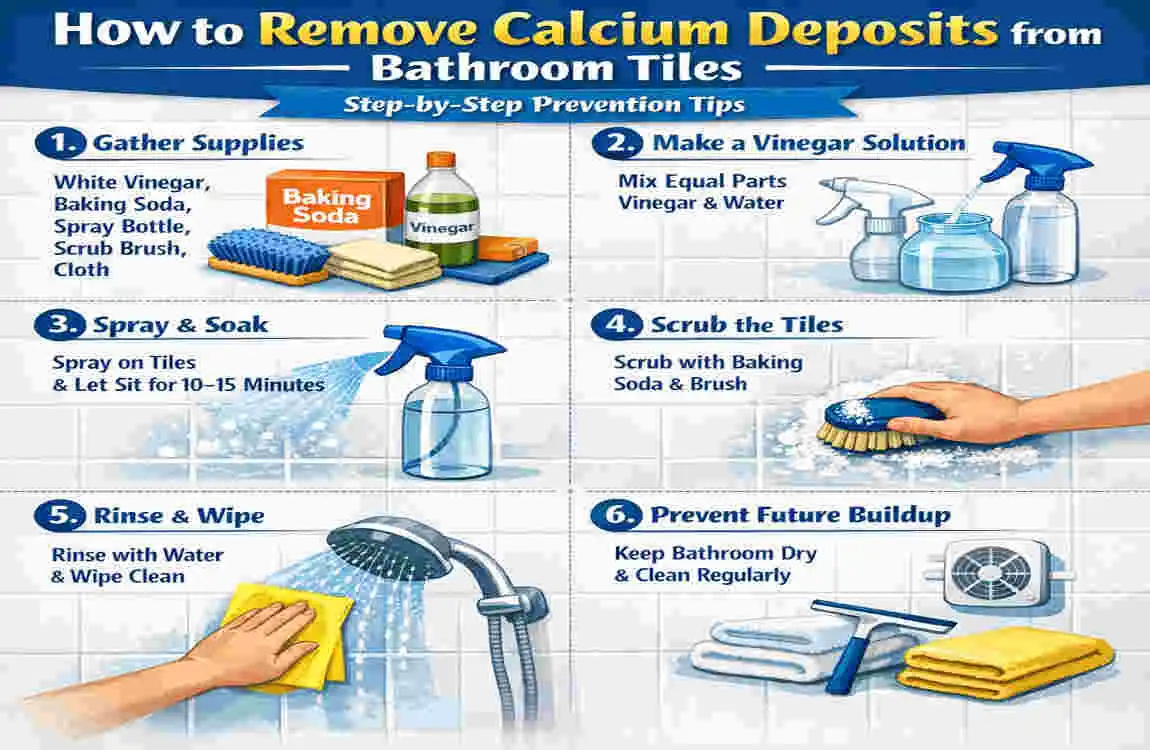
Let’s be honest: calcium buildup is the uninvited guest who overstays their welcome. It shows up as a crusty white film on your faucets, a stubborn ring in your kettle, or that annoying fog on your shower door. But here’s the good news: banishing it isn’t a chore—it’s a mini science experiment you can win in minutes.
Why Does Calcium Love Your Home So Much?
Calcium isn't evil; it’s just clingy. When hard water evaporates, it leaves behind tiny mineral deposits that cement themselves to surfaces. Think of it as nature’s way of leaving a note, but you don’t have to keep it.
The secret weapon? Acid. Not the scary kind from a lab, but the gentle, fizzy kind you already have in your pantry. Vinegar and lemon juice are your new best friends.
Must Read
The Magic of Vinegar (Your Kitchen Superhero)
White vinegar is the undisputed champion, and for good reason. It’s cheap, safe, and smells like pickles for about ten minutes. Totally worth it for that sparkle.
For faucets and showerheads, soak a plastic bag filled with undiluted vinegar and rubber-band it over the fixture. Let it sit for an hour while you binge-watch a show, then scrub away the flakes like confetti.
 Ultimate Guide: How to Remove Calcium Deposits from Bathroom Tiles for
For your kettle or coffee maker, just boil a 50/50 mix of water and vinegar. Let it cool, rinse thoroughly, and you’ll pour a brew that tastes like freedom, not rocks. No scrubbing required.
Lemon Juice: The Smell-Good Alternative
If the vinegar scent makes you wince, grab a lemon. Cut one in half and rub it directly on glass shower doors or chrome fixtures. The citric acid cuts through buildup while leaving a scent that says, “I’ve got my life together.”
A warm lemon juice soak works wonders on hard-to-reach nozzles, too. Just heat it up, apply with a cloth, and watch the white crust dissolve into a happy, citrusy memory.
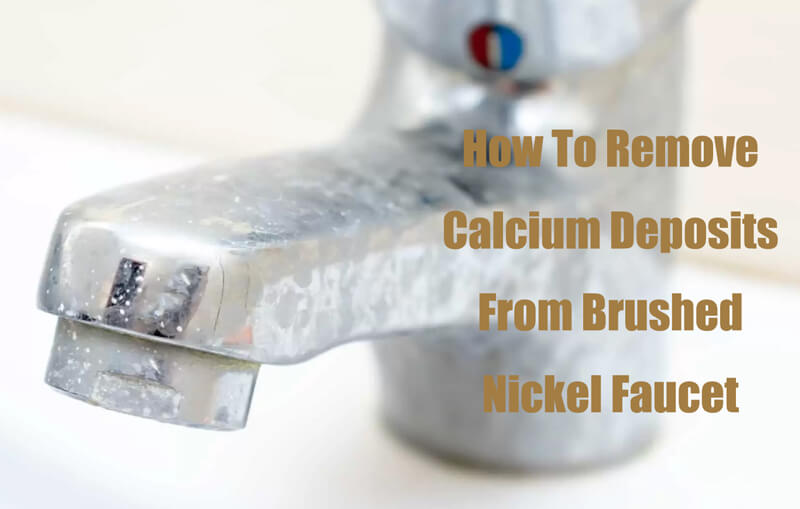 Calcium Removal From Faucets at Maggie Martinez blog
But What About Really Tough Buildup?
Sometimes calcium throws a party and invites its friend, rust. For those stubborn, crusty layers, you need baking soda for gentle abrasion. Make a paste with some vinegar (it will fizz—enjoy the show) and scrub with an old toothbrush.
Pro tip: For toilet bowls or stubborn spots on tile, use a pumice stone. Wet it first, then gently rub away the deposit. It feels oddly satisfying, like erasing a mistake in a coloring book.
And don’t forget prevention! A simple daily wipe-down with a squeegee or a microfiber cloth keeps new buildup from getting too comfortable. Thirty seconds now saves you thirty minutes later.
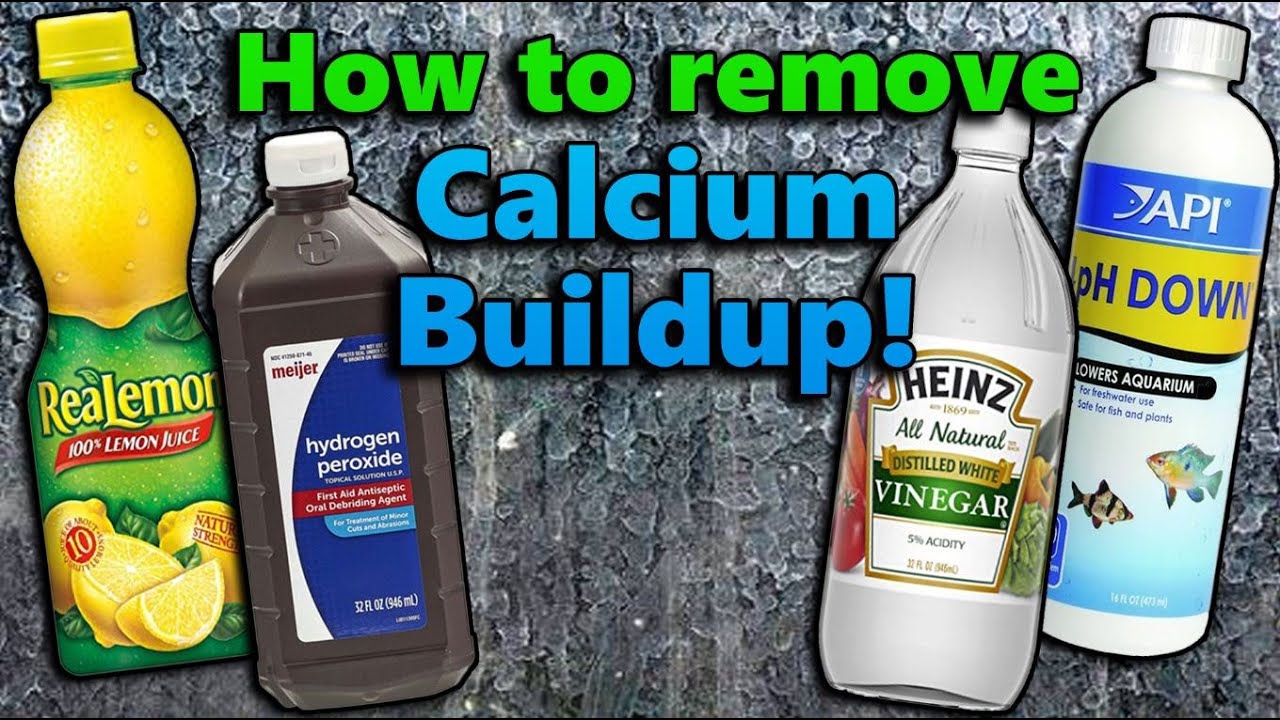 How to Remove Hard Water Buildup from Glass! - YouTube
Why This Makes Life More Fun
Think about it: every time you conquer calcium, you reclaim a small piece of your kingdom. Your coffee tastes cleaner. Your shower looks like a spa. Your faucets gleam like they’re winking at you.
Plus, you get to feel clever. You’re using chemistry—your own homemade acid-base reaction—to outsmart minerals. That’s the kind of power you can brag about over dinner.
And the best part? You don’t need harsh chemicals or expensive store-bought sprays. It’s just you, a lemon, some vinegar, and a little elbow grease. You already have what you need.
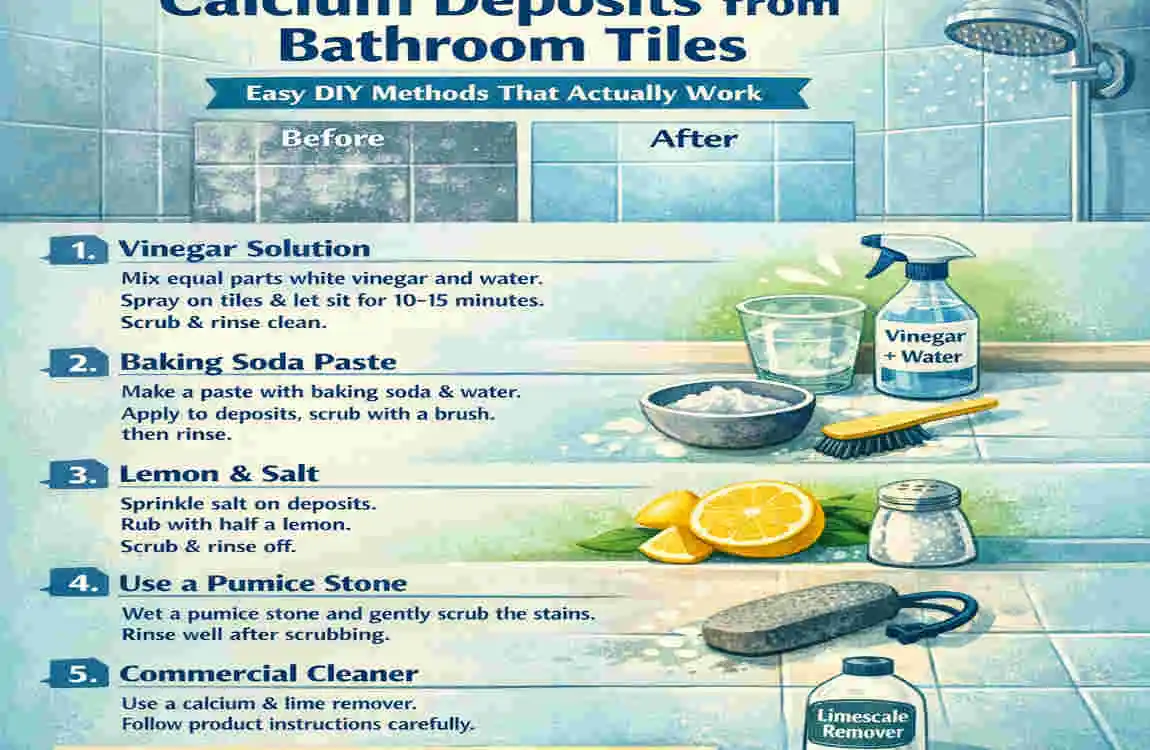 How to Remove Calcium Deposits from Bathroom Tiles: Easy DIY Methods
An Uplifting Final Thought
Calcium buildup might seem like a dull, frustrating problem, but it’s actually a tiny invitation to make your home a happier place. Every spot of grime you remove is a spot of joy you restore.
So next time you see that white film, don’t sigh. Smile. Because you now know how to win the fight with a fizzy, lemony, all-natural strategy. Go ahead—pick up that vinegar bottle and let the sparkle begin.
And if you’re curious about tackling other mineral mysteries—like rusty stains or hard water spots—there’s a whole world of simple, happy solutions waiting. You’re just getting started. Your home is about to shine like never before.
