What Reverse Osmosis System Is Best

You’ve decided to join the elite club of people who think their tap water tastes like a licking a wet rock. Welcome. Now you’re wading through the swamp of home water filtrati...

You’ve decided to join the elite club of people who think their tap water tastes like a licking a wet rock. Welcome. Now you’re wading through the swamp of home water filtration, asking yourself: “What Reverse Osmosis System Is Best?” Stick with me—I’ve got jokes and a water geek’s cheat sheet. By the end, you’ll feel like a filter ninja without the annoying headband.
The Thing About Reverse Osmosis Is… It’s Basically a Boss Fight for Water
Imagine you’re a water molecule floating free, living your best life. Then an RO system shows up—a tiny, plastic fortress that squeezes you through a membrane so tight, not even a fluoride ghost can get through. That’s the whole deal: water goes in, pure magic comes out, and everything else (lead, chlorine, your neighbor’s leftover pasta water) gets flushed down a drain.
But here’s the kicker: not all RO systems are created equal. Some waste 4 gallons for every 1 gallon you drink—that’s a water bill that makes you cry into your filtered glass. Others are slow enough to make a turtle look like Usain Bolt. The best one? It’s the one that doesn’t make you hate yourself for choosing clean water.
Must Read
The “Tank” vs. “Tankless” Showdown (No, This Isn’t a Fight Club Remake)
Tank systems are the fat, lazy grandpas of RO. They store filtered water in a pressure tank, so you can fill a pitcher without waiting. But here’s the dark secret: they don’t taste great right out of the gate because the water gets stale sitting in that plastic belly. Surprising fact: a tank can grow bio-slime if you don’t flush it for months—gross, but true.
Tankless systems are the Instagram influencers: sleek, fast, and they never stop showing off. They filter water on demand, so you get fresh, speedy pours at the push of a button. The catch? They cost twice as much and sometimes gurgle like a dying toad when you turn them off. For a family of four who chugs water like it’s a college drinking game, tankless wins—assuming you have mad money to burn.
 10 Best Reverse Osmosis Systems (June 2026) Reviews
The Permeate Pump: Your Wallet’s Secret Best Friend
All RO systems waste water—that’s just physics having a joke at your expense. But a permeate pump is like giving your system a gym membership: it recycles pressure, cutting waste by half. Example: a standard system might waste 4:1 (four cups down the drain for every one you drink). With a pump? 1:1 or better. That’s like finding a twenty-dollar bill in your old jeans—except it’s clean drinking water.
So when you ask “What Reverse Osmosis System Is Best?” the answer is: anything with a permeate pump. Don’t buy a system without one. I’ll fight you. (Not literally—I’m typing this from my kitchen. But I’m judging you.)
 12 Best Reverse Osmosis Systems Under $300 (July 2026) Expert Reviews
And Then There’s the Filter Replacement Dance
Every system comes with a set of filters: sediment, carbon, membrane, and maybe a post-filter. Changing them is like brushing your teeth—if you skip it, your whole life gets worse. The membrane lasts 2–3 years, but the carbon filters need swapping every 6–12 months. Ignorance is not bliss here; it’s a slow descent into tasting the burning tire factory down the street.
Pro tip: Buy a system with a leak sensor. One time my buddy’s RO line popped at 3 AM and flooded his kitchen. He woke up to a miniature lake and a carpet that smelled like a wet dog. True story. A $10 sensor could have saved his marriage, or at least his laminate flooring.
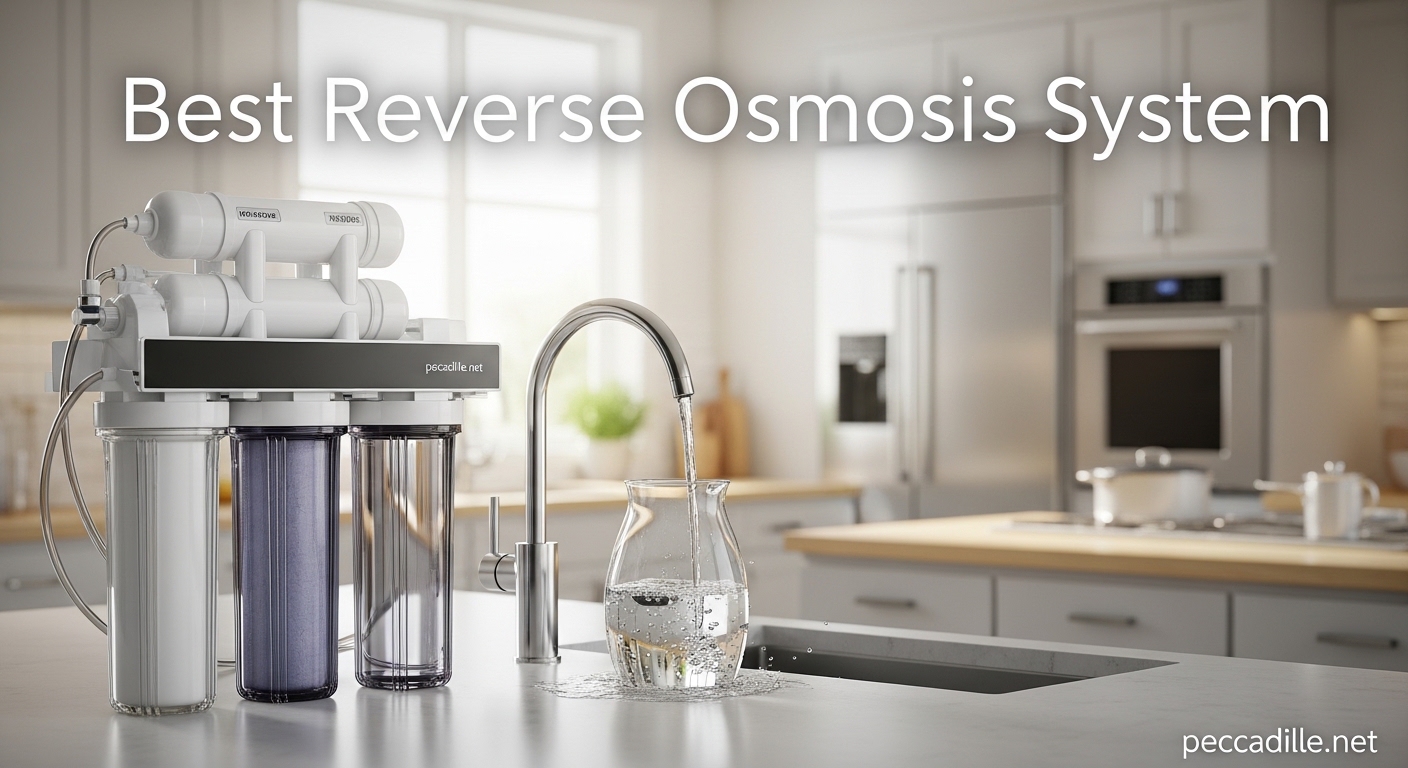 15 Best Reverse Osmosis System (May 2026) Expert Reviews
The “Best” System for Your Specific Trauma (I Mean, Needs)
Budget pick? The APEC RO-90. It’s a tank system, but it’s built like a tank, has a permeate pump, and won’t make you bankrupt. Fancy pick? The Waterdrop G3P800—tankless, fast, and it has a UV light that murders bacteria like a tiny, god-awful laser show. Surprising fact: the Waterdrop can produce a glass of water in 8 seconds flat. That’s faster than I can find my car keys in the morning.
Even fancier pick? The Pentair FreshPoint. It’s like the Swedish design furniture of RO systems—expensive, beautiful, and it comes with an installation manual that requires an architecture degree. But the water tastes like mountain spring mixed with unicorn tears. Seriously, it’s smooth.
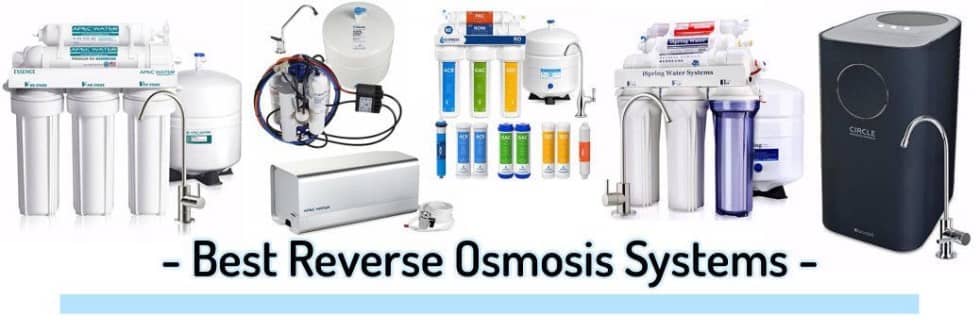 15 Best Reverse Osmosis Systems Reviewed & Tested In 2026
What About That Whole “Calcium” and “Magnesium” Thing?
RO strips out everything, including healthy minerals. That’s why some people add a reminearalization filter at the end. It’s like putting sprinkles on a perfectly good donut—unnecessary, but it satisfies the “healthy” crowd. Do you need it? Not really. Your diet isn’t a desperate water bottle. But if you want water that feels fancy, get a system with optional remin—just don’t let it upstage your real lunch.
Final Verdict (With a Punchline)
The best reverse osmosis system is the one that doesn’t make you argue with your spouse about “why is the sink making that noise?” It’s the one with a permeate pump, a leak sensor, and a filter change schedule you can actually remember (or set an alarm for). Buy the APEC RO-90 if you’re practical. Buy the Waterdrop G3P800 if you love shiny things and instant gratification.
Or, if you’re a total psychopath, buy a $40 faucet-mounted filter and enjoy your slightly-less-chlorine-flavored water. But don’t call it reverse osmosis. That’s like calling a tricycle a Ferrari. Now go drink some ice-cold, filtered perfection—and try not to stare at the drain like it’s your enemy. It kind of is, but we don’t talk about that at brunch.
