Best At Home Reverse Osmosis System

Let’s be honest—tap water can be a bit of a mystery. Sometimes it tastes like a swimming pool, other times like a mineral rock you licked as a kid. You’re not alone if you’ve...
/best-reverse-osmosis-systems-4586893-jay-wilde-b88c627b82da4a93827ca422b1ad9b8e.jpg)
Let’s be honest—tap water can be a bit of a mystery. Sometimes it tastes like a swimming pool, other times like a mineral rock you licked as a kid. You’re not alone if you’ve found yourself squinting at your glass and wondering, “Is this safe to drink?” The answer is usually yes, but that doesn’t mean it’s delicious or free of stuff you’d rather avoid.
That’s where the best at home reverse osmosis system comes in. Think of it as a superhero for your kitchen sink. It scrubs away chlorine, lead, pesticides, and even those weird floating bits you sometimes see. Suddenly, your water goes from “meh” to “ahhh.”
Why should you care? Let’s look at your morning coffee.
Imagine you’re brewing coffee. You buy fancy beans, grind them lovingly, and use a shiny machine—but your water is full of minerals and chlorine. That coffee will taste bitter and flat, no matter how much you try. With reverse osmosis water, your morning cup becomes smooth and rich, like a hug from a barista in Italy.
Must Read
Or think about ice cubes in your soda. Have you ever noticed how some ice gets cloudy and leaves a weird film in your glass? That’s from total dissolved solids—a fancy term for “stuff you don’t want.” A reverse osmosis system gives you clear, clean ice that won’t muddy up your favorite drink.
Your plants will even thank you. Tap water often has salts and chlorine that can stress out your spider plant or fiddle-leaf fig. Use purified water from a reverse osmosis system, and your green buddies will perk up like they’re on vacation.
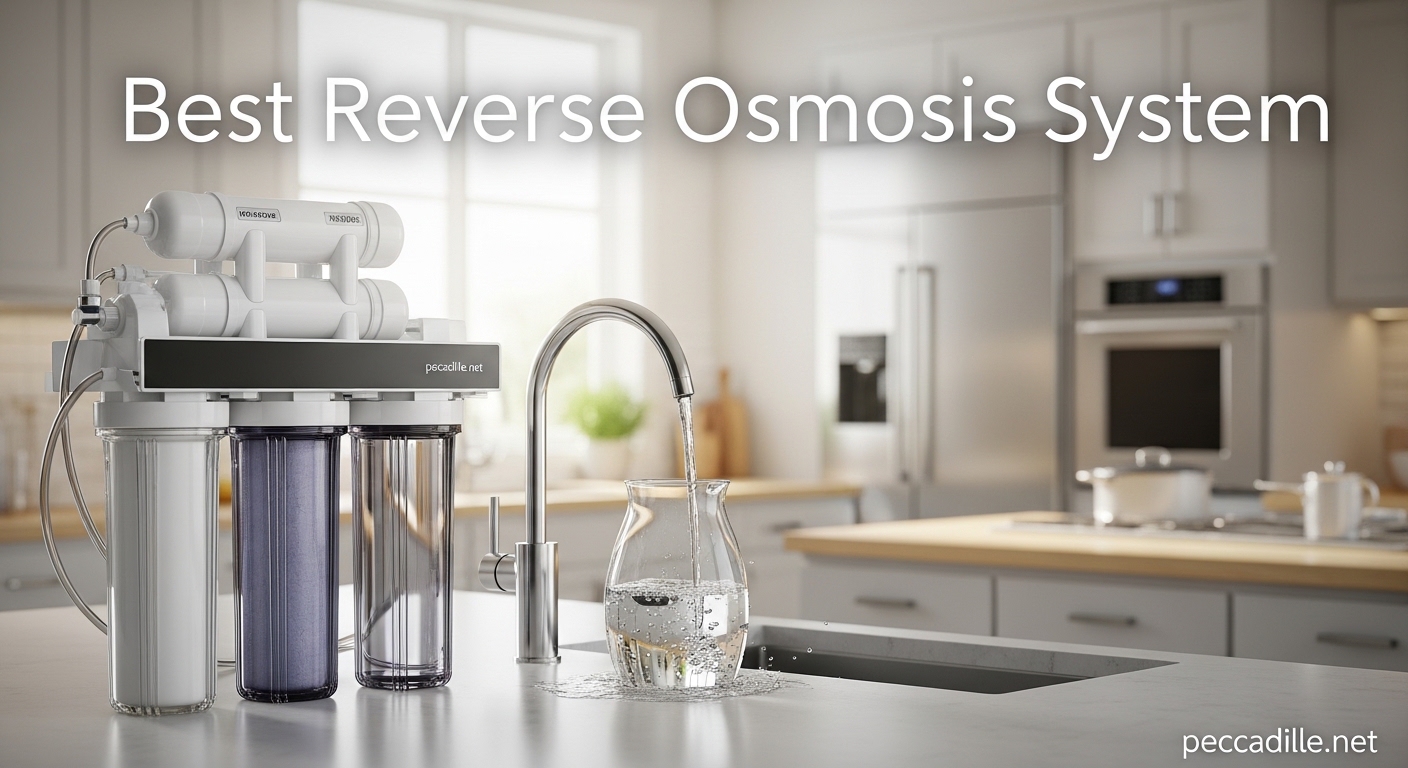 15 Best Reverse Osmosis System (May 2026) Expert Reviews
What’s the vibe of the best home system?
You don’t need a science degree to use one. The best at home reverse osmosis systems are simple to install and look sleek under your sink. They usually have a little faucet that sits next to your main tap, so you know exactly which water is the “good stuff.”
I remember visiting my friend Lisa’s house. She had one, and I asked for a glass of water. It tasted like… nothing. And that’s the point! No weird aftertaste, no metallic zing—just pure, clean water that felt light and refreshing. I drank three glasses and felt like a wellness influencer.
There are different types, too. Some systems are bigger and store water in a tank, while newer “tankless” models just filter on demand. Look for one with four or five stages of filtration—that’s the sweet spot for removing almost everything nasty while keeping a few good minerals, if you want them.
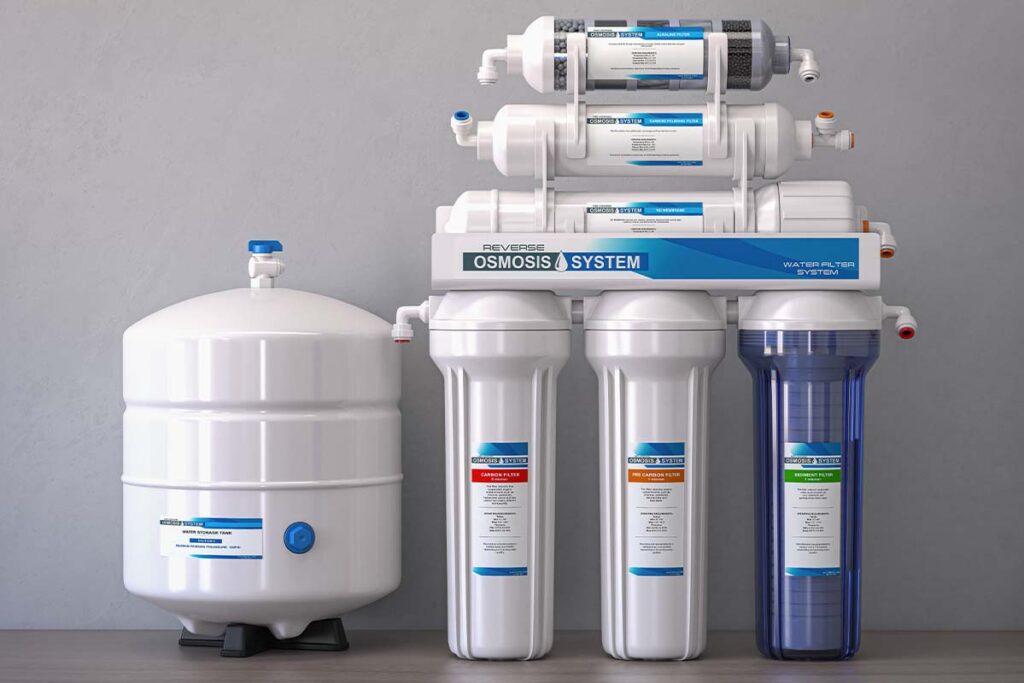 Reverse Osmosis Drinking Water Systems in Colorado - Colorado Water
A little story about family and R.O. water
My neighbor Dave used to buy bottled water by the case—every week. His garage was a mountain of plastic jugs. He finally got a reverse osmosis system, and now? He fills his own bottles from the kitchen tap. He saves money, saves the planet, and his kids think it’s a magic trick. They even argue over who gets to push the faucet handle.
And here’s a secret: cooking pasta with R.O. water makes it taste better. No, really. The pasta absorbs the water, and if the water is clean and pure, your noodles taste more like their real, wheaty selves. Add a little salt, and you’re basically a gourmet chef.
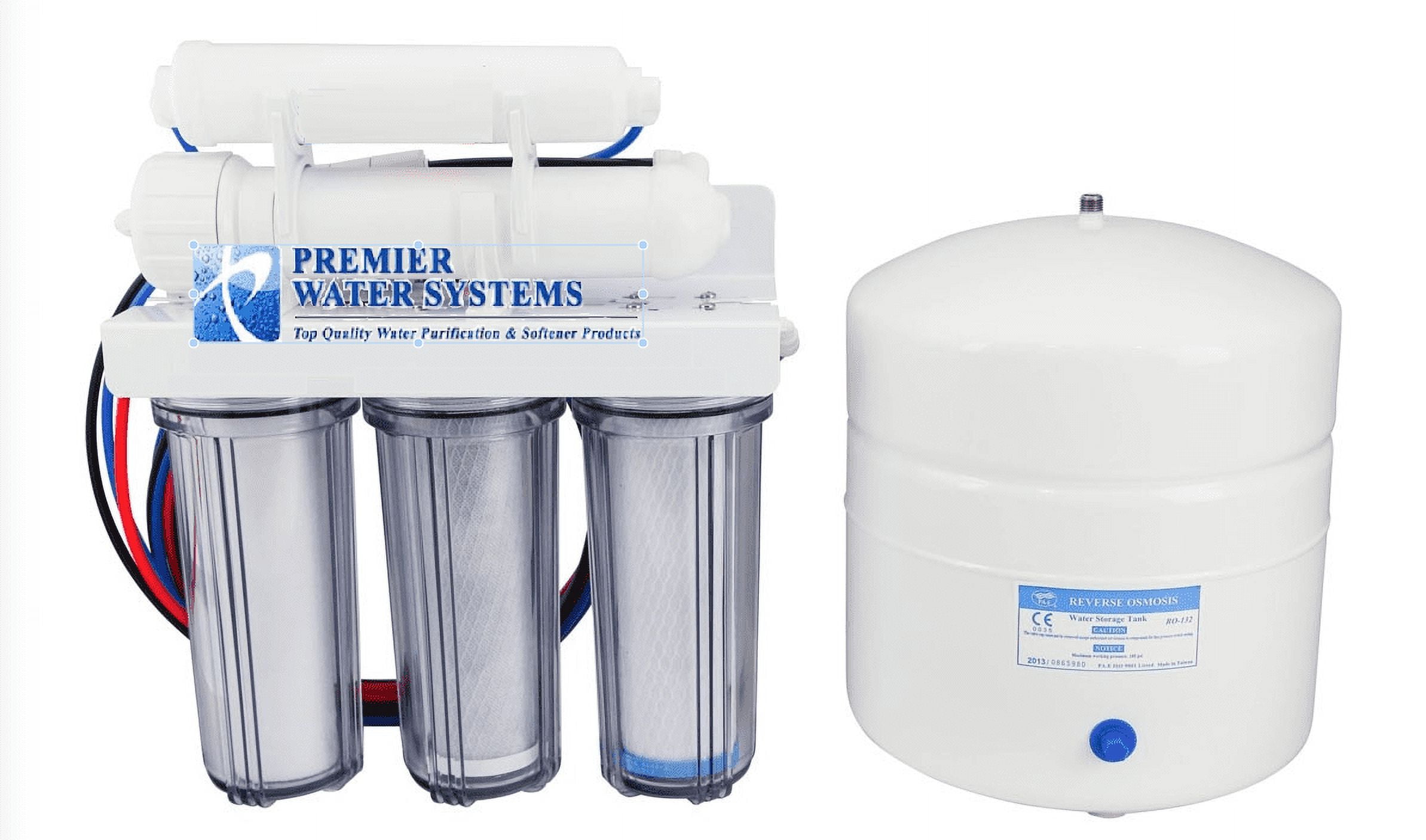 5 Stage: Complete Home Reverse Osmosis Drinking Water Filtration System
What about the cost and setup?
Don’t worry—you don’t need to remortgage your house. The best at home reverse osmosis systems range from about $150 to $500. That’s often less than a year’s worth of bottled water for a family. And most systems last 5 to 10 years with simple filter changes every six months.
Installation is usually a DIY job if you’re handy, or a plumber can do it in under an hour. It’s not like installing a spaceship—just a few tubes and a clamp. Some systems even come with a monitoring light that tells you when to swap filters, so you don’t have to remember dates.
One thing to note: reverse osmosis does produce a little wastewater. It’s like the system rinses itself. But modern models are very efficient, often using only 2-3 gallons of waste per gallon of clean water. You can even use that waste water to water your garden or wash your car—so nothing goes to waste.
 Water Dispenser Vs Reverse Osmosis at Ezra Crooms blog
Is it right for you? Probably yes.
If you live in a place with hard water, have ever smelled bleach in your tap, or just want water that tastes like it came from a mountain spring, then yes. The best at home reverse osmosis system is a game-changer for your health, your taste buds, and your wallet.
You don’t need to be a health nut or a survivalist. You just need to care about what you’re putting into your body. And honestly, once you taste that clean, crisp water, you’ll never go back. It’s like upgrading from a radio to a podcast.
So next time you pour a glass of tap water and wrinkle your nose, remember: you have options. Pick a system that fits your space and your budget. Your coffee, your plants, and your guests will all thank you. Cheers to not having to guess what’s in your glass.
/best-reverse-osmosis-systems-4586893-jay-wilde-b88c627b82da4a93827ca422b1ad9b8e.jpg&description=Best+At+Home+Reverse+Osmosis+System)