Best Systems For Treating Complex Wastewater Streams

So, you’ve got a nasty wastewater stream. Not the simple stuff from a sink, right? I’m talking about the industrial gunk, the chemical cocktail, the stuff that makes a treatme...
So, you’ve got a nasty wastewater stream. Not the simple stuff from a sink, right? I’m talking about the industrial gunk, the chemical cocktail, the stuff that makes a treatment plant operator actually cry. Let’s be honest: complex wastewater is a brat.
It doesn’t play by the rules. You can’t just toss it in a tank and hope for the best. That’s a recipe for a smelly, expensive disaster. So, what do you do?
You get smart. You choose a system that fights dirty, just like the water does. Ready to dive into the weird, wonderful world of treating the untreatable? Grab your coffee.
Must Read
Step One: The Advanced Oxidation Party
First up, we have Advanced Oxidation Processes (AOPs). Sounds fancy, right? It’s basically creating a microscopic superhero posse of hydroxyl radicals. These little guys shred organic pollutants into harmless bits.
Think of them as the Mean Girls of chemistry—they don't care about your tough molecules. Ozone, UV light, and hydrogen peroxide are the usual suspects here. You mix them together, and poof—the bad stuff is gone.
Is it overkill for a little bit of cooking oil? Yes. For pharmaceutical leftovers or pesticide runoff? It’s a beautiful, destructive party. Just don’t forget the cleanup crew afterwards.
Ozone: The Smelly Overachiever
Ozone is the kid who brings fireworks to a picnic. It’s powerful, unstable, and super effective at breaking down color and smell. Your water smells like rotten eggs? Ozone says, “Not on my watch.”
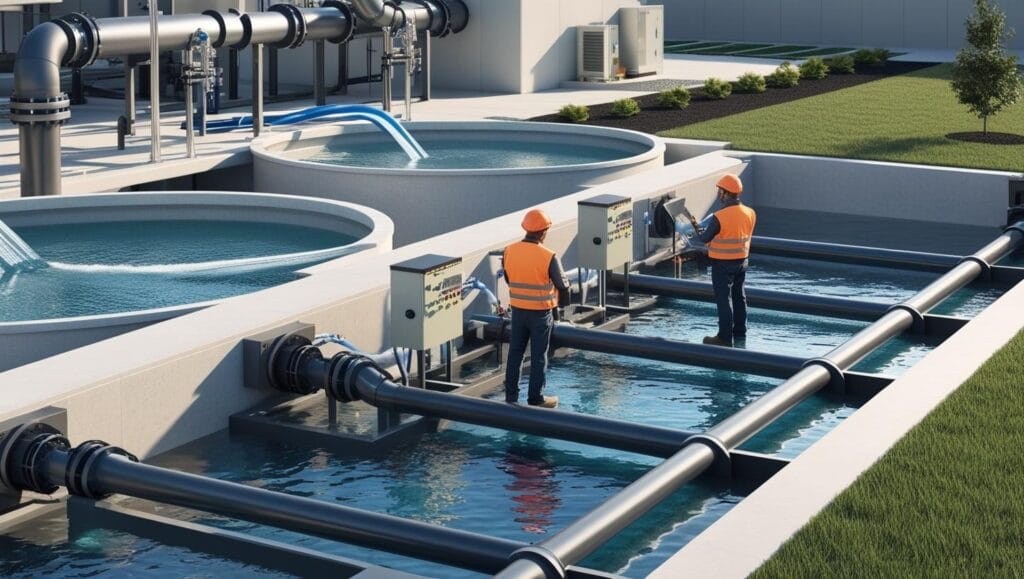 Wastewater Treatment Plant Solutions | Industrial & Municipal WWTP
It works fast. But you need to generate it on-site, which is like having a tiny lightning storm in your facility. A little dramatic? Sure. Totally worth it for tough streams.
Step Two: Membrane Magic (With Attitude)
Membranes aren’t new. But for complex wastewater, we’re not talking about a simple coffee filter. We’re talking about Membrane Bioreactors (MBRs) or Reverse Osmosis (RO). These are the bouncers at the club.
MBRs combine biology with a microscopic sieve. The tiny organisms eat the waste, then the membrane kicks out the solids. The result? Water so clean you could almost drink it. (Don’t. Seriously. Don’t).
But here’s the catch: membranes are divas. They hate oil, grease, and sticky stuff. If your stream is greasy, the membrane gets clogged faster than a teenager’s pores. You need a pre-treatment to chill them out first.
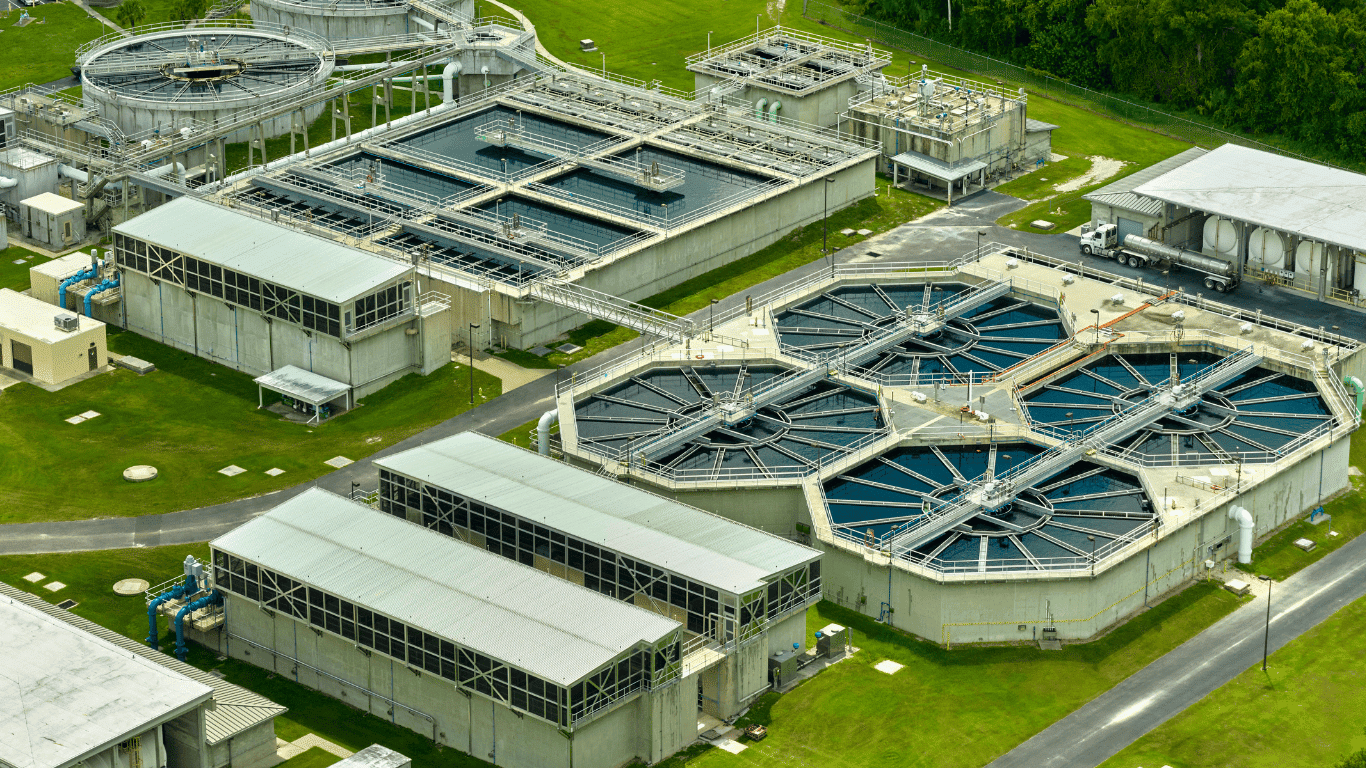 Industrial Wastewater Treatment Systems Explained
RO is the final boss. It pushes water through a semi-permeable layer under insane pressure. It removes everything—even dissolved salts. It’s the nuclear option for when the water needs to be absolutely pristine.
Step Three: The Biological Brawlers
Don’t underestimate the power of a hungry microbe. For certain complex streams, anaerobic digestion is the secret weapon. It uses bacteria that fart methane while eating your waste. Gross? Yes. Amazing for generating energy? Absolutely.
It’s perfect for high-strength organic waste—like from breweries or food processing. You let the bugs feast in an oxygen-free tank. They burp out biogas you can burn for power. Talk about a win-win.
The downside? It’s slow. And these bacteria are picky eaters. Feed them the wrong pH or a toxic shock, and they throw a colony-wide tantrum. You were warned.
 Sewage And Wastewater
Aerobic vs. Anaerobic: The Cage Match
Aerobic systems (with oxygen) are the sprinters. They clear waste fast but chew up a lot of energy (blowers!). Anaerobic systems are the marathon runners—slow, steady, and they give you free gas. Pick your fighter based on your stream’s mood.
Step Four: The Electrochemical Surprise
Ever heard of electrocoagulation? It sounds like Star Trek, but it’s real chemistry. You run an electric current through your wastewater. This destabilizes tiny particles and metals, making them clump together.
It’s fantastic for streams with heavy metals or emulsified oils (the kind that laugh at regular filters). No chemicals needed—just a bit of juice. It’s like giving the water a tiny, controlled electrical taser.
Is it for everyone? No. It uses electrodes that wear out, and the sludge can be metallic. But for tricky industrial wastewater? It’s the secret handshake no one talks about.
 Wastewater Solutions
Piecing It Together: The Franken-System
Here’s the hard truth: no single system handles every complex stream. The real magic is hybridization. You mix and match. Start with AOPs to break tough bonds, then send it to biology, then polish with a membrane. It’s a treatment buffet.
You need to know your enemy. Is it high salt? High oil? Pharmaceutical leftovers? Test, test, test. Don’t guess. Guessing is how you end up with a repair bill the size of a sports car.
So, what’s the best system? The one you design for your specific, beautiful, terrible mess. Talk to an expert, run a pilot test, and build your beast. Complex water doesn’t stand a chance when you’re armed with ozone, bugs, and a little bit of anarchy.
Now go fix your water. I’ll be here with a refill, rooting for those tiny hydroxyl radicals. Cheers.
