Best Inline Water Filter

Let’s be honest: drinking tap water is a gamble. Some days it’s fine; other days it tastes like a swimming pool threw up in a mineral factory. That’s where the best inline wat...
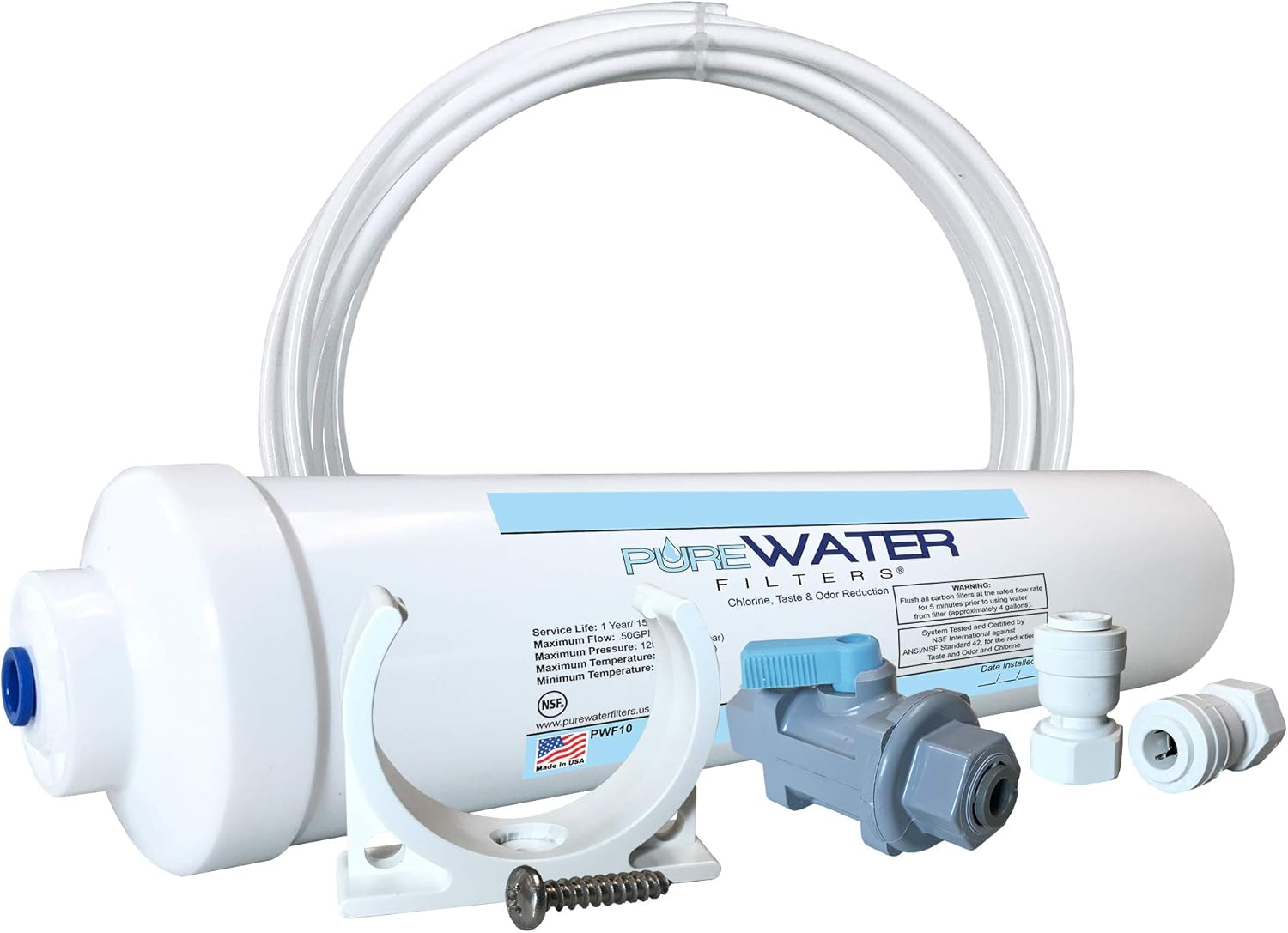
Let’s be honest: drinking tap water is a gamble. Some days it’s fine; other days it tastes like a swimming pool threw up in a mineral factory. That’s where the best inline water filter comes in—a tiny plumber wizard hiding under your sink.
Forget those bulky pitcher filters that take up half your fridge. Inline filters attach directly to your water line, so you never have to remember to fill a jug again. It’s like having a secret agent for your hydration, working 24/7 without asking for a raise.
What’s the Big Deal About Inline Filters?
Picture this: you’re making coffee, and the water tastes so pure you can actually taste the coffee—not the chlorine tang that usually tags along. An inline filter removes sediment, chlorine, and even some heavy metals. It’s basically a bouncer at a nightclub, kicking out the riffraff before they ruin your drink.
Must Read
Here’s a surprising fact: the average tap water contains over 2,100 known contaminants. That’s not a typo—that’s the number of uninvited guests at your glass’s party. A good inline filter reduces most of them, turning your sink into a five-star spa for your mouth.
I once had a friend who refused to believe filters mattered. He installed one, then accused me of switching his water bottles for Evian. I didn’t. His filter was just that good.
How Does This Magic Tube Work? (No, It’s Not Alien Tech)
Inside that sleek plastic cylinder sits a cartridge packed with activated carbon—the same stuff in high-end face masks, but less trendy. Water passes through, and the carbon grabs contaminants like a toddler grabbing candy. Nasty stuff gets stuck; clean water flows out.
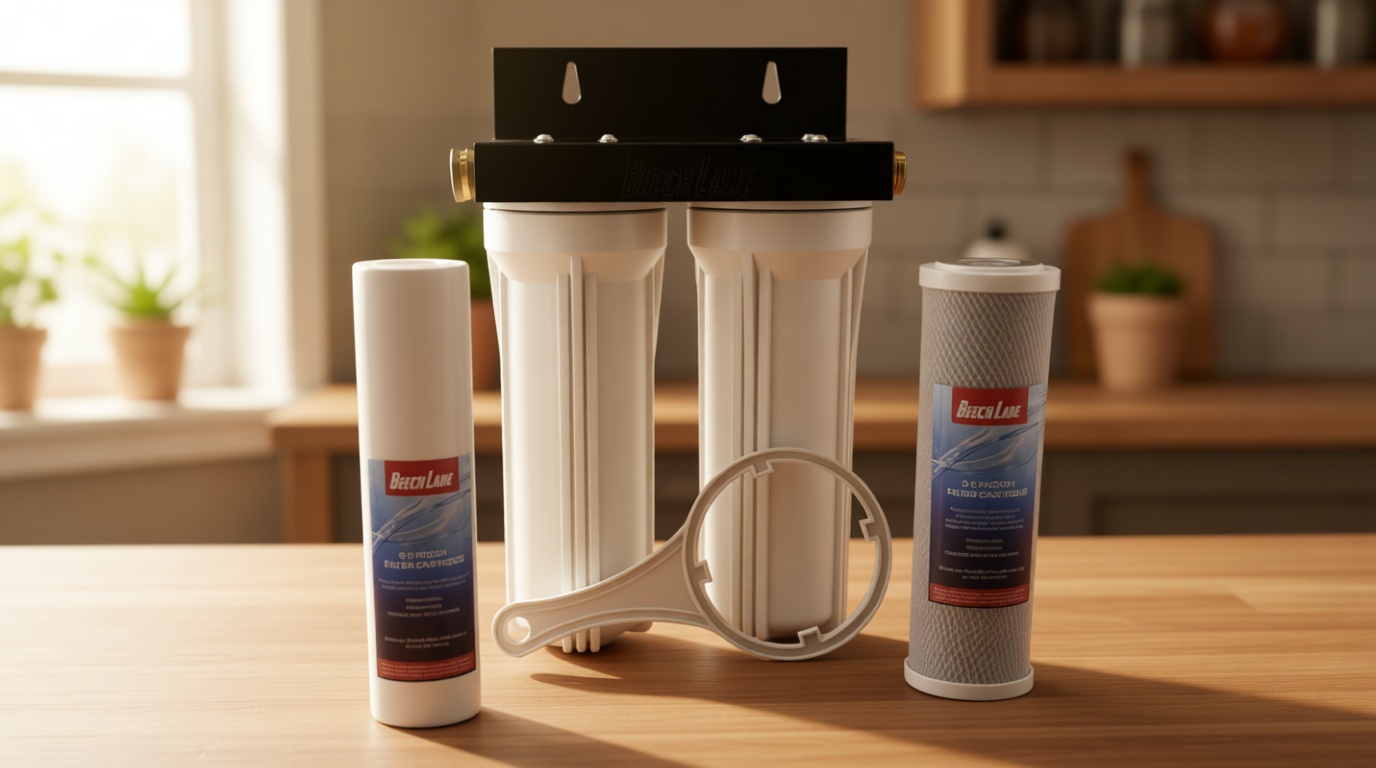 15 Best Inline Water Filter For Rv (Buyers Guide)
Some high-end models use a two-stage system: first a sediment pre-filter for dirt, then a carbon block for taste and odor. It’s like a tag-team wrestling match between clean and gross. And clean always wins—unless you forget to change the cartridge for three years, then it’s just dirty water with extra steps.
Surprising fact: activated carbon works because it’s porous—one gram has a surface area bigger than a football field. Your filter, in terms of surface area, is basically a terrifyingly clean sports arena inside a tube.
Choosing the Best Inline Water Filter (Without Losing Your Mind)
You’ll see terms like “1-micron” or “0.5-micron”—ignore those numbers unless you enjoy math. In plain English: the smaller the micron, the more it removes. But 1-micron is great for home use. Pro tip: if you live in a city with old pipes, go for a filter that also handles lead. Lead is bad, unless you’re a pencil.
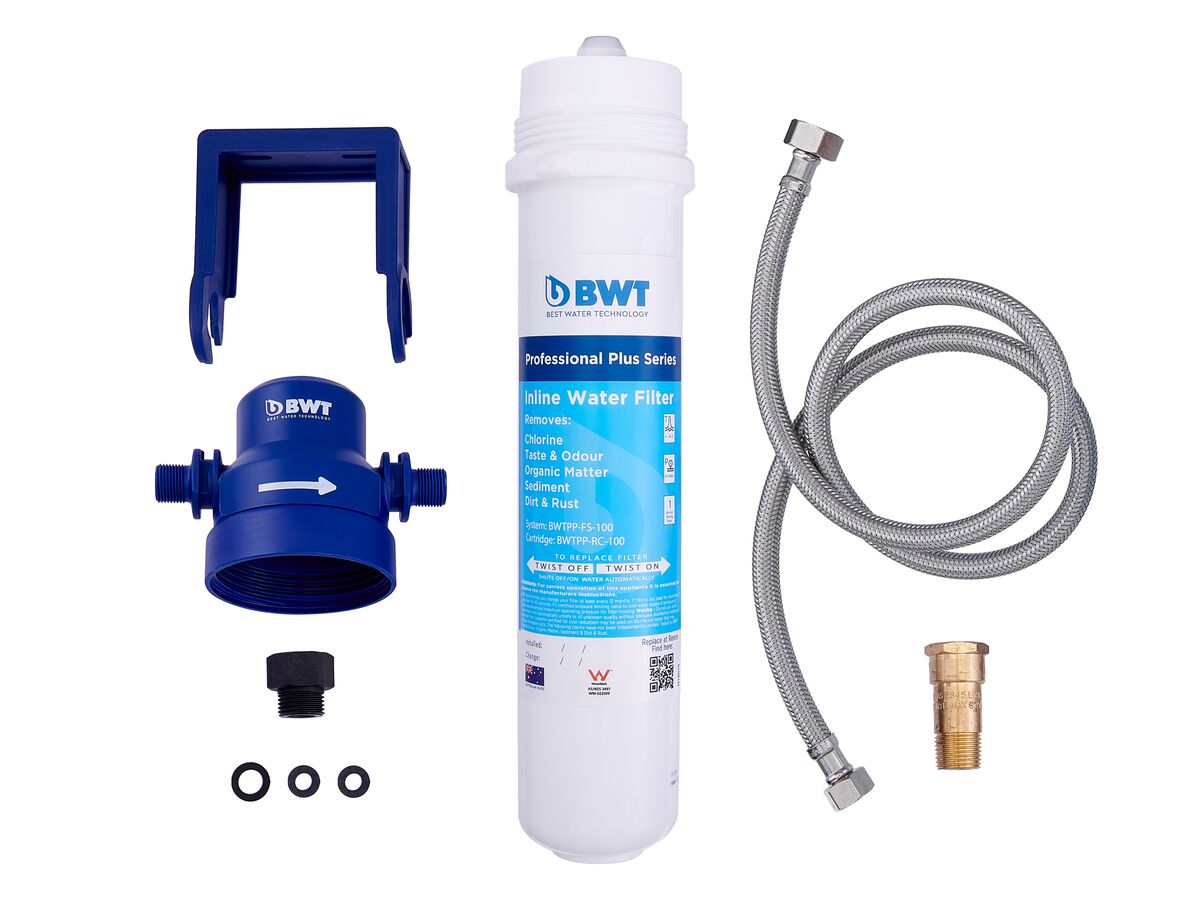 Inline Mains Water Filter | Aquarius Direct (Malta) – KMFP
Another factor: flow rate. Some filters slow water to a drip that makes a bored snail look speedy. Look for at least 0.5 gallons per minute. That’s fast enough to fill a pitcher before your Netflix show loads.
Also, check compatibility with your fridge or faucet. Most inline filters fit standard 1/4-inch tubing, but check anyway. Returning a filter you can’t use is like buying a left-handed guitar on accident—technically usable, but a headache.
The Fun Parts: Installation & Maintenance (Yes, You Can Do It)
Installing an inline filter is easier than assembling IKEA furniture, and you won’t end up with leftover screws. You literally cut the water line, push the filter in, and click. It’s so simple you’ll feel like a plumbing genius. I did mine in ten minutes, and I once broke a toaster by looking at it wrong.
Maintenance is even easier: replace the cartridge every six months. Write the date on your calendar with a very bright marker. Ignore this, and your filter becomes a hosting ground for bacteria—the opposite of clean. That’s like paying a bodyguard who secretly invites thieves inside.
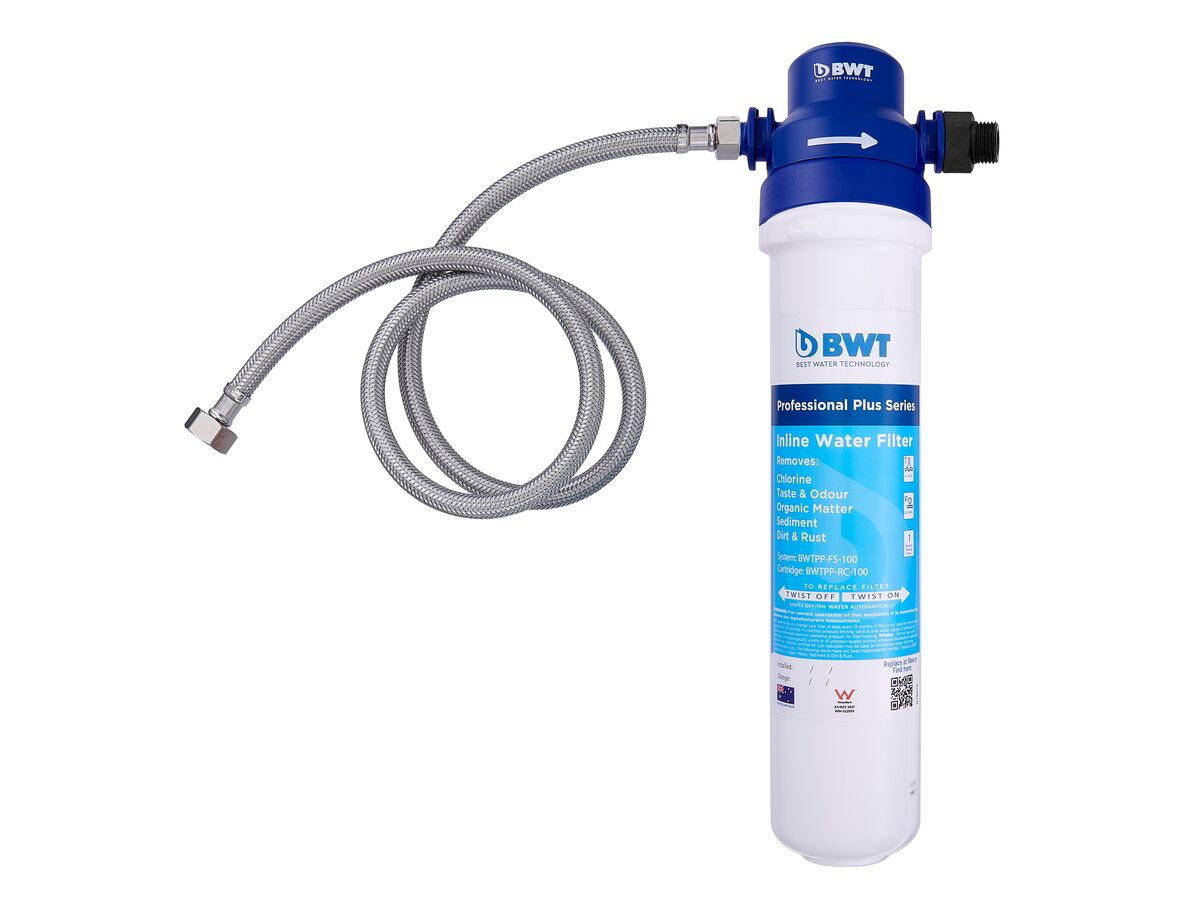 Inline Water Filter Canada at Ken Escobar blog
One user on Reddit admitted he didn’t change his for two years. He said the water tasted “metallic and sad.” Don’t be that person. Set a reminder on your phone labeled “Save my taste buds.”
Why This Beats Every Other Water Solution
Brita pitchers are fine, but you have to refill them and they take up fridge real estate. Countertop filters are bulky and look like a science experiment. Bottled water costs more than gasoline and creates plastic mountains. The inline filter is the ninja—invisible, lethal to contaminants, and it never complains.
Surprising fact: the average American spends over $100 per year on bottled water. A good inline filter costs $30 upfront and $20 for a replacement cartridge. That’s like paying for a one-time VIP pass to never buying plastic again.
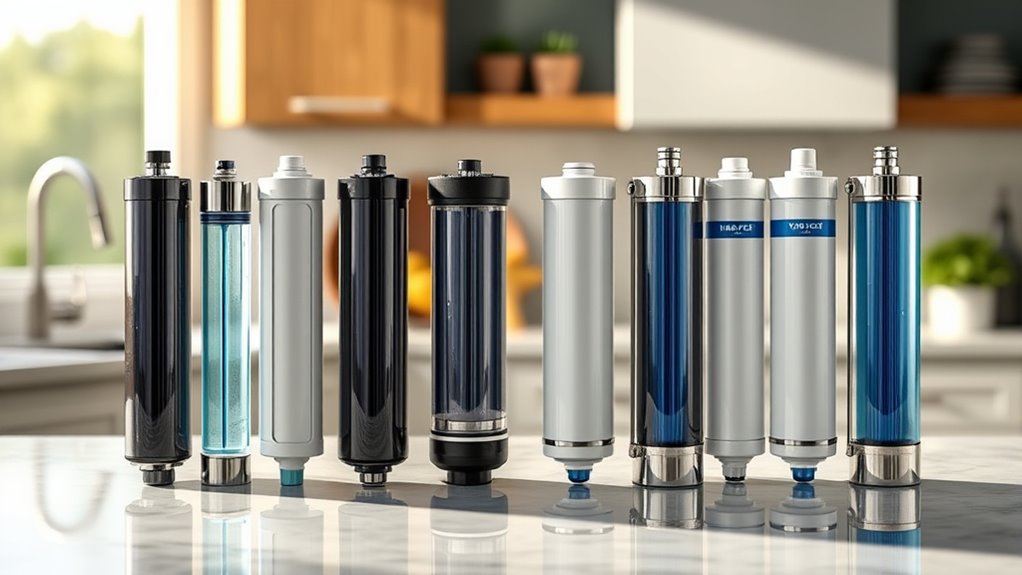 Top 5 Inline Water Filters Reviews and Buying Guide | H2GO Water Bottle
And here’s the kicker: inline filters also improve the taste of your ice cubes. Yes, ice. No more cloudy ice with weird flavors. Your cocktails will be cleaner than your conscience after donating to charity.
The Verdict: Just Buy One
You don’t need a PhD in filtration to enjoy water that doesn’t taste regretful. The best inline water filter is the one you actually install and change on time. Pick a reputable brand—like Pentair or AquaCrest—and you’re golden. Or, you know, crystal clear.
I’ll leave you with this: my grandmother used to say, “Water should be boring.” If your water is exciting with weird smells or colors, you have a problem. An inline filter makes water so boring you’ll forget it used to be a science experiment. And boring water is the best kind of water—trust me, I’m a professional hydration enthusiast.
Now go, drink something pure, and stop tasting your sink. Your taste buds will throw you a parade.
