Best Water For Ice Maker

Last week, I poured myself a tall glass of iced tea, took a big gulp, and immediately spat it out. My ice cubes smelled like last night’s leftover chili and a forgotten gym so...

Last week, I poured myself a tall glass of iced tea, took a big gulp, and immediately spat it out. My ice cubes smelled like last night’s leftover chili and a forgotten gym sock. Gross, right? That’s when I realized: the water I use for my ice maker matters way more than I thought.
It’s not just about taste — it’s about the whole experience. You see, ice is just frozen water, but bad water makes bad ice. And bad ice ruins everything from cocktails to morning coffee.
So, let’s dig in. What’s the best water for your ice maker? Spoiler: it’s not tap water straight from the faucet. Unless you live in a fairy tale where your pipes are made of unicorn tears.
Must Read
Tap Water: The Risky Default
Most of us just do it — we fill the ice tray with tap water. Hey, I’m guilty too. But tap water carries minerals, chlorine, and sometimes even sediment. These little guys create cloudy, brittle ice that melts fast and leaves white floaties in your drink.
Ever noticed that weird, chemical aftertaste in your soda? That’s the chlorine from tap water, chilling out on your ice cube. Not exactly refreshing, is it?
If your tap water has high mineral content (hard water), your ice maker will also start building up scale — limescale crusts that clog the machine. And guess what? That’s a repair bill waiting to happen. Yikes.
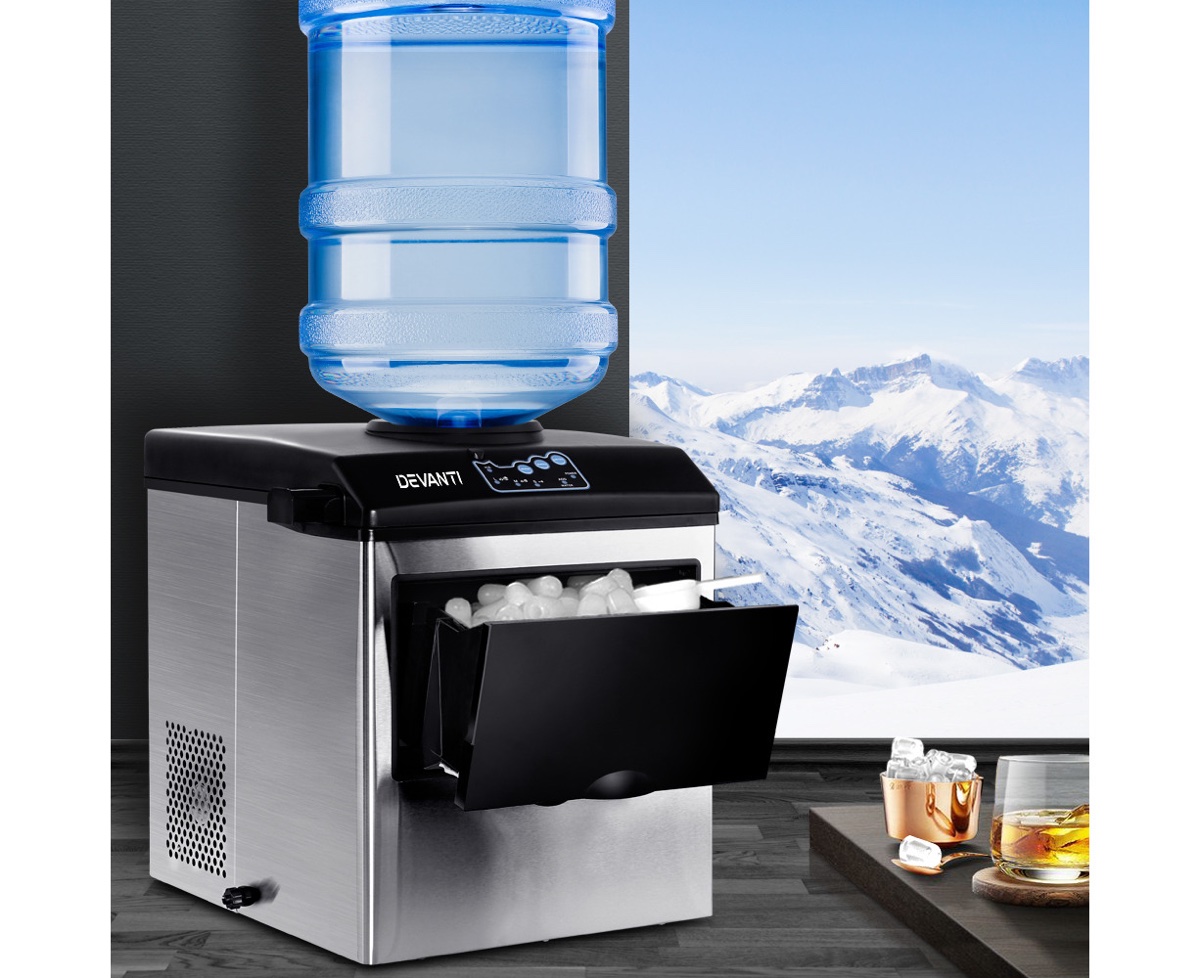 Ice Maker Water Dispenser Replacement at Lucy Gardiner blog
Filtered Water: The Sweet Spot
Here’s where things get interesting. The best water for an ice maker is filtered water. A simple carbon filter removes chlorine, sediment, and most weird smells. Your ice turns out clear, crisp, and almost silent when you drop it into a glass — that’s the sign of quality, folks.
I use a basic pitcher filter on my counter, and it changed my life. No more chili-flavored cubes. No more cloudy mess. Just pure, clean ice that makes any drink taste better.
You can also get a refrigerator filter built-in (if you have one of those fancy units). But be warned: change it every six months. Neglected filters become bacteria farms. Ew.
 Best Countertop Ice Maker and Water Dispenser
Reverse Osmosis: The Overachiever
If you’re a true ice snob (no judgment), you might consider reverse osmosis water. This stuff is stripped of almost everything: minerals, contaminants, even the taste of water itself. Your ice becomes crystal clear, like a diamond. And it melts slower, so your drink stays cold longer.
But here’s the catch: reverse osmosis water is slightly acidic and can leach minerals from your machine’s metal parts over time. Also, it’s expensive and wastes a lot of water. Is it worth it? Only if you make ice for fancy cocktails or have a dedicated ice machine. Otherwise, filtered water does the job.
Bottled Water: A Convenient Trap
Ah, bottled water. It’s easy, I get it. But not all bottled water is equal. Some are just tap water in a fancy package. Others contain high mineral content that still clouds your ice. Plus, the plastic waste? Ouch. Your ice maker doesn’t care about the environment, but you should.
If you must use bottled water, avoid “mineral water” or “spring water” with high total dissolved solids (TDS). Look for “purified” or “distilled” types. But honestly, you’re better off buying a filter pitcher for a fraction of the cost.
:max_bytes(150000):strip_icc()/faw-detail-best-nugget-ice-maker-jkim-0110-d5246e00ef674128a46886fc96c08f9d.jpeg) The 7 Best Kitchen Countertop Ice Makers of 2026, According to Our Editors
The 7 Best Kitchen Countertop Ice Makers of 2026, According to Our Editors
Distilled Water: The Quiet Hero
Distilled water is boiled and steamed, leaving behind all impurities. It makes the clearest, purest ice possible — no cloudiness, no weird tastes. Ice makers love it because there’s nothing to form scale. Machine stays happy, you stay happy.
The downside? It’s a bit flat tasting (no minerals for flavor), and it’s not great for drinking straight. But for ice? Absolute perfection. Just don’t use it in your coffee maker — you’ll miss the minerals that make coffee taste good.
A Quick Note on Temperature
Whatever water you choose, make sure it’s cold before you put it in the ice maker. Warm water freezes slower and creates more air bubbles, leading to cloudy ice. Pro tip: chill the water in your fridge first for the best results.
:max_bytes(150000):strip_icc()/faw-pellet-nugget-ice-makers-test-ge-profile-opal-2-countertop-side-tank-nsimpson-218-71c8e3298a2b4209be4a69875cab82a9.jpeg) The 3 Best Nugget Ice Makers of 2026, Tested & Reviewed
The 3 Best Nugget Ice Makers of 2026, Tested & Reviewed
And clean your ice maker regularly — like once a month. Otherwise, mold and slime will find a home in your ice bin. Not a fun surprise for your guests.
The Verdict
So, what’s the best water for your ice maker? For most of us, filtered tap water is the practical champion. It’s affordable, available, and gives you clear, tasty ice. If you want to show off, go with distilled water. And if you’re brave, try reverse osmosis — just keep an eye on your machine.
But here’s the real secret: the best water is the one you’ll actually use consistently. So pick a system that fits your lifestyle, and say goodbye to chili-scented cubes forever. Your tea will thank you.
Now, if you’ll excuse me, I’m off to make a fresh batch of ice. No gym socks allowed.
