Best Salt Water Softener System

Let’s be honest: hard water is the uninvited guest that never leaves. It leaves chalky film on your glasses, turns your hair into straw, and makes your laundry feel like sandp...

Let’s be honest: hard water is the uninvited guest that never leaves. It leaves chalky film on your glasses, turns your hair into straw, and makes your laundry feel like sandpaper. You’ve scrubbed, descaled, and invested in fancy shampoos—but the real fix is a salt water softener system.
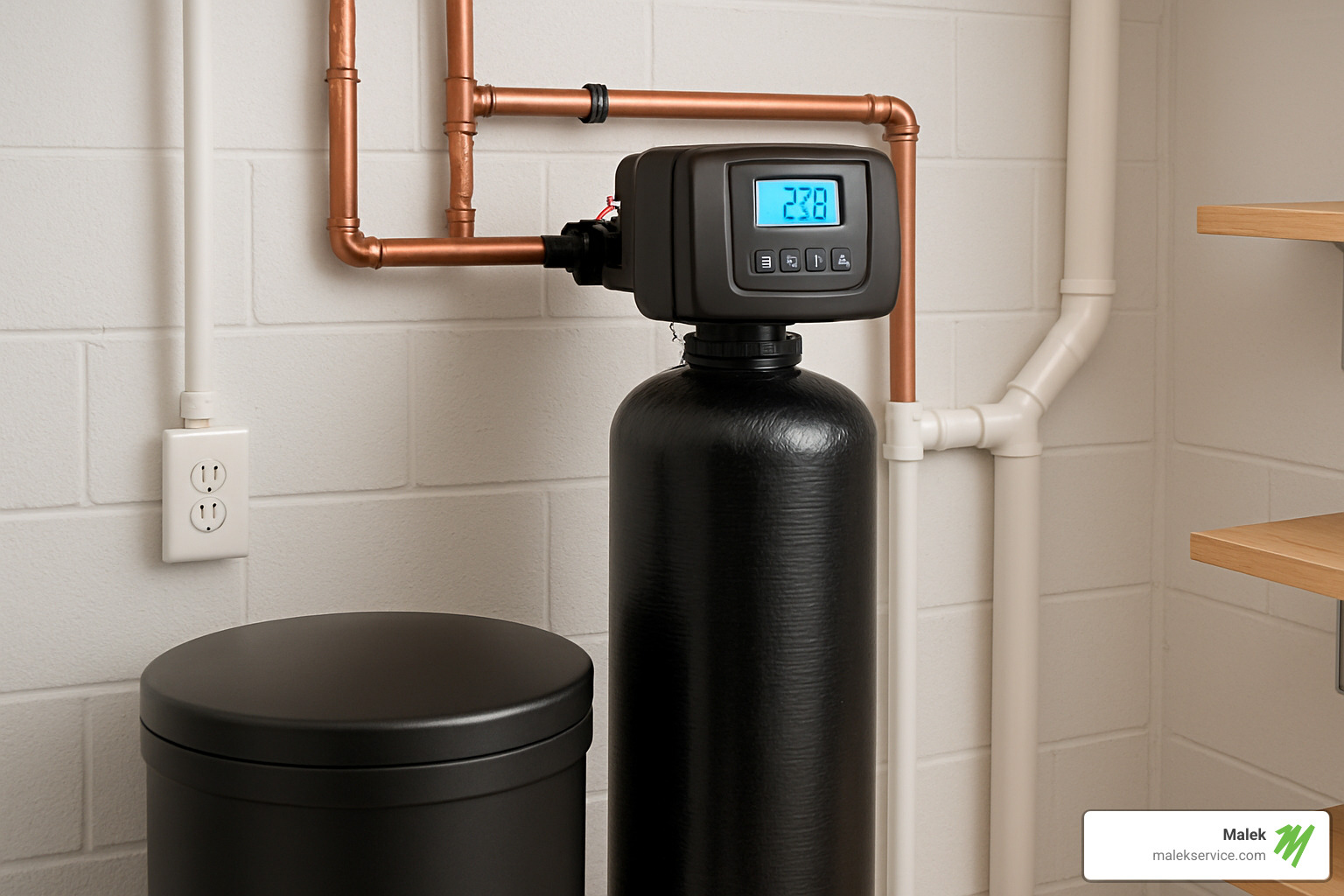
Think of it as the ultimate bouncer for your pipes. It kicks out the calcium and magnesium ions that cause all that trouble, swapping them for sodium ions instead. The result? Silky water that makes your morning shower feel like a spa session.
Why Salt Wins the Softener Game
You might wonder why salt is the star player here. It’s simple: salt-based systems use a process called ion exchange, which is basically water chemistry’s version of a VIP trade. Resin beads inside the tank capture the hard minerals, then a brine solution flushes them away.
Must Read
This isn’t new tech—ancient Greeks softened water by passing it through charcoal and sand. But today, we’ve traded clay pots for sleek, Wi-Fi-enabled tanks that regenerate automatically. Talk about an upgrade.
Fun fact: The word “salt” comes from the Latin sal, which gave us “salary” because Roman soldiers were paid in it. Your softener is basically paying dividends in better hair and clean dishes.
What to Look For in a System
Not all salt water softeners are created equal. You want a system with a high grain capacity—that’s the number of hardness grains it can remove before regenerating. For an average family of four, aim for 30,000 to 48,000 grains.
Check for a metered regeneration feature. This smart tech only regenerates when you’ve actually used water, saving salt and money. Pro tip: avoid systems with a fixed timer—they’re the flip phone of water softeners.
 The Best Salt-Free Water Softener Options - Top Picks by Bob Vila
Look for certifications like NSF/ANSI 44. It’s not as sexy as a leather-bound book, but it guarantees your system meets health and performance standards. And yes, your water will actually taste fine—modern systems filter out the “salty” aftertaste.
The Top Contenders
If you’re shopping, brands like Fleck and Whirlpool dominate the market with reliable, user-friendly models. The Fleck 5600SXT, for instance, is a workhorse that plumbers love—it’s like the Toyota Camry of softeners.
For a smarter pick, the Springwell Salt-Based Softener offers a sleek design and a lifetime warranty. It’s the Apple product of the category—stylish, functional, and backed by customer service that actually responds.
Budget-conscious? The iSpring ED2000 does the job without extra bells and whistles. It’s the loud, proud underdog that delivers silky water for under $600. Your wallet will thank you.
:max_bytes(150000):strip_icc()/bhg-aquasure-serene-whole-house-salt-free-water-softening-system-laura-miller-06-8a171bcd1ee544f486f3d42df4508a8f.jpeg) The Best Water Softeners of 2026, Tested by BHG
The Best Water Softeners of 2026, Tested by BHG
Installation and Maintenance Hacks
Installing a salt water softener isn’t brain surgery, but it’s not a weekend IKEA project either. Hire a licensed plumber unless you’re comfortable with copper pipe and a pressure gauge. Trust me—a leaky basement is not a good vibe.
Once it’s in, maintenance is laughably easy. Fill the brine tank with solar salt pellets every month—skip the rock salt; it’s dirty and clogs the system. Clean the brine tank once a year with warm water and a little bleach.
Most systems have a bypass valve. Use it when you’re watering your garden—plants prefer hard water’s minerals. Your orchids aren’t as high-maintenance as your hair, but they’ll appreciate the calcium.
The Hidden Perks
Soft water doesn’t just feel good—it saves you money. Appliances like water heaters and dishwashers last up to 50% longer without scale buildup. That’s fewer repair calls and more cash for your coffee habit.
 Water softener system benefits: 7 Powerful Positive Reasons 2025 - One
Your soap and detergents will lather better, meaning you’ll use half the amount. A single bottle of dish soap can last months. Plus, your skin will stop screaming for lotion after every shower.
And here’s a quirky one: soft water reduces static cling in your clothes. You’ll never have to peel a sock off a sweater again. That’s a small win, but it feels huge on a Monday morning.
Salt vs. Salt-Free
You’ve probably seen salt-free systems marketed as “chemical-free” alternatives. They’re a great option if you’re on a low-sodium diet—they condition water without actually removing minerals. But here’s the catch: they don’t soften water.
Salt-free systems prevent scale from sticking to pipes, but your water will still feel hard. It’s like getting a moisturizer that promises to hydrate but only makes your skin feel sticky. Go salt-based if you want that true, silky rinse.
 5 Best Salt Based Water Softener Systems: 2026 Tested
For those worried about sodium intake, the amount added is negligible—about the same as a slice of bread per quart of water. Your doctor isn’t going to cite your softener as a health risk.
A Final Reflection
There’s something quietly transformative about great water. It turns your morning routine from a chore into a moment of crisp, clean ritual. You notice it in the way your coffee tastes brighter, your tea looks clearer, and your skin feels like it just woke up from a vacation.
We spend so much energy chasing luxury—fancy towels, high-end lotions, expensive haircuts. But the secret to all of it might just be what flows out of your tap. A salt water softener system isn’t a gadget; it’s an upgrade to your everyday life, one glass of water at a time.
So go ahead, treat yourself. Your pipes, your skin, and your jade plant will thank you. And next time you wash a glass and see zero spots, you’ll smile like you just got away with something—because you did.
