Is Purified Water Or Spring Water Better

So, you’re standing in the water aisle, staring at a wall of plastic bottles, feeling like you’re picking a prom date. Tap water feels a little too basic, but the fancy glass...

So, you’re standing in the water aisle, staring at a wall of plastic bottles, feeling like you’re picking a prom date. Tap water feels a little too basic, but the fancy glass bottles look like they cost more than your lunch. Don’t worry, my dehydrated friend, I’ve got your back.
We’re settling the debate: purified water versus spring water. Grab a glass of whatever you’ve got, and let’s dive in.
First, Let’s Break Down The Basics (No Chemistry Degree Required)
Purified water is the overachiever of the water world. It’s been stripped of everything—minerals, chemicals, contaminants, and probably your bad vibes.
Must Read
Think of it as water that went to boot camp. It comes from any source (tap, ground, or maybe a secret H20 lab), and then gets filtered, distilled, or reverse-osmosed until it’s almost pure H2O.
Spring water, on the other hand, is the laid-back hippie cousin. It comes from a natural underground source, and it’s bottled right there at the spring. It keeps its natural minerals—calcium, magnesium, and potassium—because it hasn’t been bullied into being “pure.”
Is One “Cleaner” Than The Other? (Spoiler: They’re Both Pretty Clean)
Here’s the funny truth: both are regulated by the FDA. Yes, the same folks who make sure your cereal doesn’t have too many bugs. Both must meet strict safety standards.
Purified water is usually more sterile. If you’re on a submarine, facing a zombie apocalypse, or have a compromised immune system, grab the purified stuff. It’s like a hazmat suit for your insides.
Spring water, however, isn’t as processed. It comes from the earth with its original minerals, so it’s not quite as “blank slate” as purified. Think of it as the difference between a white T-shirt and one with a cool natural dye job.
The Flavor Face-Off: Which One Actually Tastes Better?
Alright, let’s be real—water doesn’t have a strong flavor. But something makes one taste “crisp” and another taste “flat,” right? That something is minerals.
Spring water usually has a slight, pleasant taste due to those tiny amounts of minerals. Some people say it tastes “fresher” or “more alive.” It’s like the difference between a plain cracker and a slightly salted one.
Purified water? It tastes like nothing. Literally. That’s the point. Some folks love it because it’s a blank canvas. Others say it tastes “dead” or “hollow.” I personally think it tastes like a gentle shrug.
Funny aside: If you’re trying to impress a date with your water choice, spring water is the fancy choice. Purified water is the “I just need to hydrate very efficiently” choice. Choose your vibe.
The Mineral Factor: Are You Missing Out On Nutrients?
Here’s the thing people love to argue about: “But purified water has no minerals! It steals them from your body!” Calm down, internet. That’s mostly a myth.
Yes, purified water is low in minerals. But you get 99% of your minerals from food, not water. If you’re eating a balanced diet (veggies, nuts, a sad desk salad), you’re fine.
Spring water does give you a tiny mineral boost. A liter of spring water might give you 2-5% of your daily calcium needs. That’s nice, but it’s not life-changing. It’s more like a little bonus pat on the back from nature.
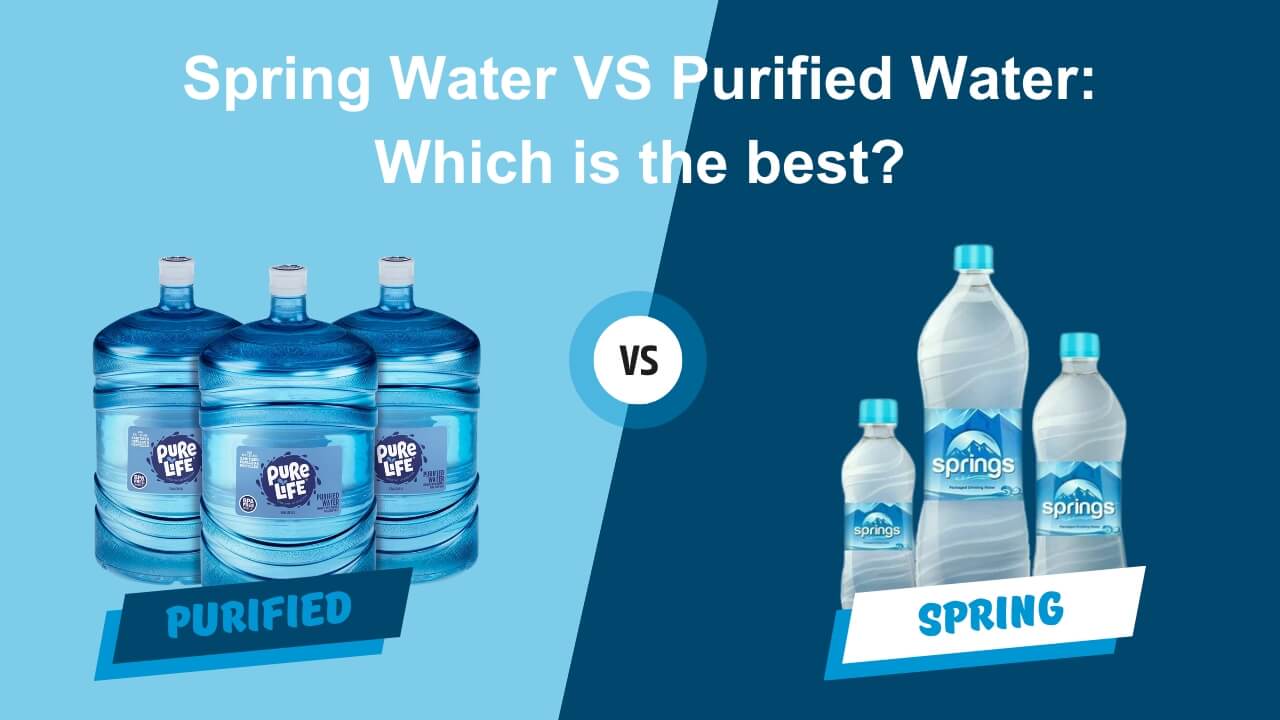 What Is Better Spring Or Purified Water | TAFT Independent
The real risk? Neither is bad. Drink what you like. Your kidneys don’t care—they’ll balance everything out.
The Environmental Elephant In The Room
Let’s talk about the planet, because no water debate is complete without a little eco-guilt. Single-use plastic bottles are a problem for both types of water. Sorry, kids.
If you’re buying bottled spring water, it often travels fewer miles to your store (if the spring is local). But many brands ship water across the country. That’s a lot of diesel fumes for something that falls from the sky for free.
Purified water creates reject water during the filtering process (up to 4 gallons wasted for every 1 gallon made). That’s not great. But it’s often made from tap water, so it’s using a local source.
Better idea for both: Buy a reusable bottle and a home filter. You get the purity of purified water and the mineral taste of spring water (if you choose a carbon filter). Plus, you save roughly a million dollars a year. I did the math. It’s true.
The Winner? (Don’t Cheat—Read On)
Okay, drumroll, please. The answer is… there is no winner. I know, I know, that’s a cop-out. But it’s the truth! Both water types are perfectly good for your health.
Choose purified water if: you want a neutral taste, you have a medical need for extra-purity, or you live somewhere with questionable tap water. It’s the safe and sterile choice.
Choose spring water if: you love the taste of natural minerals, you want to feel fancy while hydrating, or you support local springs. It’s the charming, earthy choice.
Or—hear me out—choose tap water from a filter. That’s the real endgame. It’s cheap, it’s regulated, and it doesn’t create bottle waste. But I know you came here for a fight, so I’ll give you this: spring water is slightly more fun. Purified water is slightly more responsible.
The Uplifting Conclusion (I Promised You’d Smile)
At the end of the day, you have access to clean water. That’s a huge privilege not everyone has. Whether it’s purified, spring, or even that lukewarm tap water from your kitchen sink, drink it.
Your body is 60% water. You’re basically a walking, talking, slightly leaky water balloon. And that water balloon needs hydration to dance, laugh, and argue with strangers on the internet.
So, the next time you’re in the aisle, pick the bottle that makes you smile. Or better yet, fill up your reusable jug, take a big sip, and think: “I am a majestic, well-hydrated creature.”
And remember: The best water is the one you actually drink. Now go hydrate, you beautiful, water-based life form. You’ve got this.
