What Should Be The Tds Of Drinking Water

Let’s be honest, most of us don’t think about our water beyond “is it wet?” and “does it taste weird?” But there’s this little number called TDS that actually plays a huge rol...
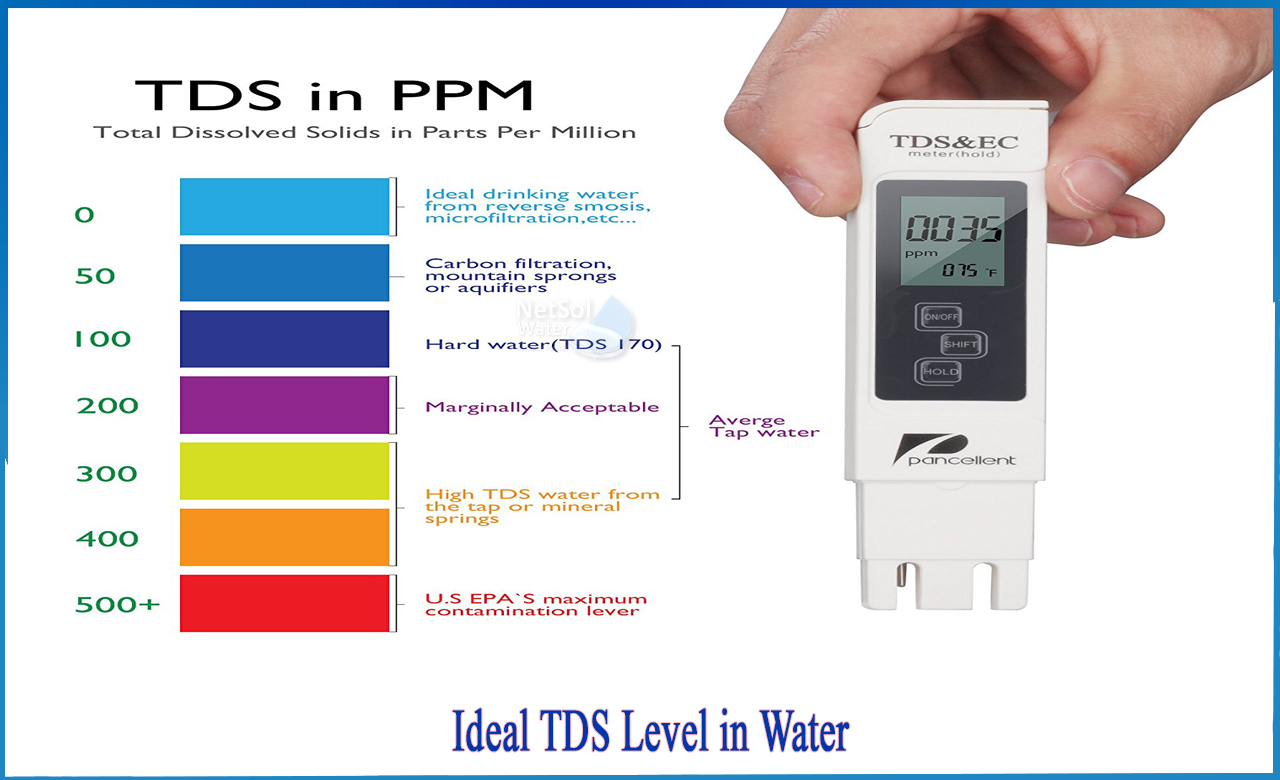
Let’s be honest, most of us don’t think about our water beyond “is it wet?” and “does it taste weird?” But there’s this little number called TDS that actually plays a huge role in your daily glass. Standing for Total Dissolved Solids, it’s just the fancy term for all the minerals, salts, and tiny organic bits floating around in your H2O.
Think of it like your water’s personality score. Too low, and it’s a bit of a wallflower—flat and boring. Too high, and it feels like you’re drinking from a dusty garden hose. That sweet spot is where the magic happens, and getting it right can turn a chore into a genuine pleasure.
So, what’s the magic number?
Here’s the short and sweet answer: most experts agree that the ideal TDS for drinking water falls somewhere between 50 and 150 parts per million (ppm). This is that Goldilocks zone where water is crisp, clean, and has a nice little mineral kick to it.
Must Read
Water with a TDS under 50 ppm? You’re basically drinking distilled water. It’s fine for your iron, but it tastes flat, like someone sucked the soul out of it. On the flip side, anything over 300 ppm starts getting a minerally taste, and above 500 ppm, you might notice a salty or bitter edge.
For reference, your favorite bottled spring water usually clocks in around 100 to 250 ppm. That’s why it tastes so good, while the stuff from a cheap cooler might taste like nothing at all.
The “Too Clean” Trap
I remember my buddy Tom buying a fancy reverse osmosis (RO) system. He was so proud of his “pure” water. Then he complained it tasted empty.
He was right. RO strips absolutely everything, including healthy minerals like calcium and magnesium. That water had a TDS of nearly zero. It was like drinking a glass of pure emptiness.
Once he added a simple remineralization filter (bringing it to about 80 ppm), he swore it tasted like a mountain spring. The lesson? Perfectly pure isn’t always perfectly delicious.
The Salty Surprise
My neighbor Sarah, on the other hand, lives in an area with hard water. She tested it once and found a TDS of 450 ppm. She’d always wondered why her tea had a film on top and why her skin felt dry after a shower.
At that level, the high mineral content (especially calcium and magnesium) isn’t harmful, but it’s definitely not pleasant. It can make your coffee taste muddy and leave white scale in your kettle.
She switched to a simple carbon filter with a modest TDS reduction, bringing it down to 150 ppm. Now her tea is clear, her coffee is bright, and she actually looks forward to a glass of plain water from the tap.
 Drinking Water Tds Level Chart Importance Measurement And Control
Why should you actually care?
First, taste matters. You’re more likely to stay hydrated when your water actually tastes good. If you’re avoiding that tap water because it has a weird “mineral chalkiness,” getting your TDS in the right zone might be the fix you didn’t know you needed.
Second, it’s a health nuance. While you get minerals from food, having some in your water (like magnesium for your heart or calcium for your bones) is a nice bonus. You don’t want zero, and you don’t want a mouthful of salt.
Third, it helps you choose the right water filter. If you buy a zero-TDS filter but already have low-TDS water, you’re wasting money and flavor. If you buy a simple filter for water that’s at 400 ppm, you’ll be disappointed in the taste.
How to find your water’s number
Luckily, you don’t need a science lab. You can buy a TDS meter for about ten bucks on any online store. It looks like a little thermometer. Just dip it in a glass of your tap water, and it gives you a number instantly.
Test your tap water, then test your filtered water. It’s a fun little home experiment that takes ten seconds. My kids love doing it—they treat it like a competition to see which water “wins.”
The goal isn’t to obsess over a number. It’s just a helpful guide. Aim for that 50 to 150 ppm range, and you’ll be in the company of many great-tasting spring waters.
The bottom line (no science jargon, promise)
Think of TDS as the volume knob for your water’s flavor. Too low and it’s silent; too high and it’s distorted. You want it just right, so the natural taste of the water can sing a little.
So next time you pour yourself a glass, take a second to wonder: What’s my water’s personality today? And if it’s flat or funky, maybe it’s time to meet your water’s true TDS. You might just discover what you’ve been missing.
Cheers to better sips—one simple number at a time.
