Too Much Salt In Water Softener Symptoms

Okay, let’s get real for a second. You bought a water softener to fix hard water, not to create a whole new set of problems. But here’s the kicker: you can actually have too m...
Okay, let’s get real for a second. You bought a water softener to fix hard water, not to create a whole new set of problems. But here’s the kicker: you can actually have too much of a good thing.
I’m talking about salt. Yes, the stuff that’s supposed to save your pipes can turn on you. Sound familiar? Let’s pour another cup and figure out if your softener is throwing a salty tantrum.
Your Glass of Water Tastes… Weird?
First up, the most obvious clue: your drinking water tastes like the ocean floor. Don’t ignore that. If your tap water suddenly has a metallic or “salty” kick, your softener is screaming for help.
Must Read
You’re not imagining it. That brine flavor means the regeneration cycle is flooded with too much salt. Yuck.
Pour it out. Call it a “saline surprise,” but fix it fast. Nobody wants a salty morning coffee.
The “Slippery” Conspiracy
Soft water already feels a little slick. But this is different. Too much salt makes the water feel like a slimy horror movie prop. You wash your hands, and they feel like they’re coated in ghost slime.
It’s gross, right? That slipperiness is actually a sign of over-ionization. Your resin beads are exhausted, and the extra salt is just sliding through.
Don’t blame your soap. Blame that triple-bagged salt brick you bought on sale.
Your Laundry Looks… Sad
Grey, dingy socks? Stiff towels? That’s another symptom. Too much salt can actually leave a mineral residue on fabric.
Your clothes come out looking like they fought a sandbag. And lost. Bright colors fade faster because the high salt content attacks the dye.
You spent good money on that sweater. Don’t let a salt overdose ruin it, okay?
The Salt Bridge (A Fancy Name for a Hard Crash)
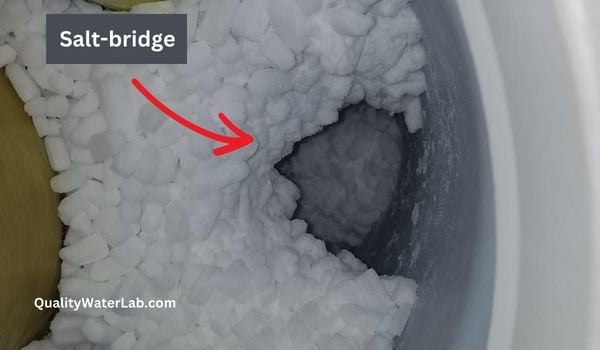
Here’s where it gets physical. You open the brine tank expecting fluffy salt crystals. Instead, you see a solid, crusty crust on top. Congratulations—you have a salt bridge!
It’s like a salt igloo, except it blocks the water from touching the salt below. So your system starves, even though the tank looks full.
You might think “more salt!” but that’s the opposite of the fix. You need to break that crusty dome like a hard-water caveman.
The Dreaded “Salt Mush”
Ever see sludgy goo at the bottom of your brine tank? That’s salt mush. It happens when the salt dissolves but doesn’t properly exit the system.
Too much salt creates a soupy slurry that jams up the injector valve. Your softener starts choking. It’s like forcing a milkshake through a coffee straw.
You’ll hear weird gurgling sounds. Or worse—total silence. A quiet softener is a dead softener.
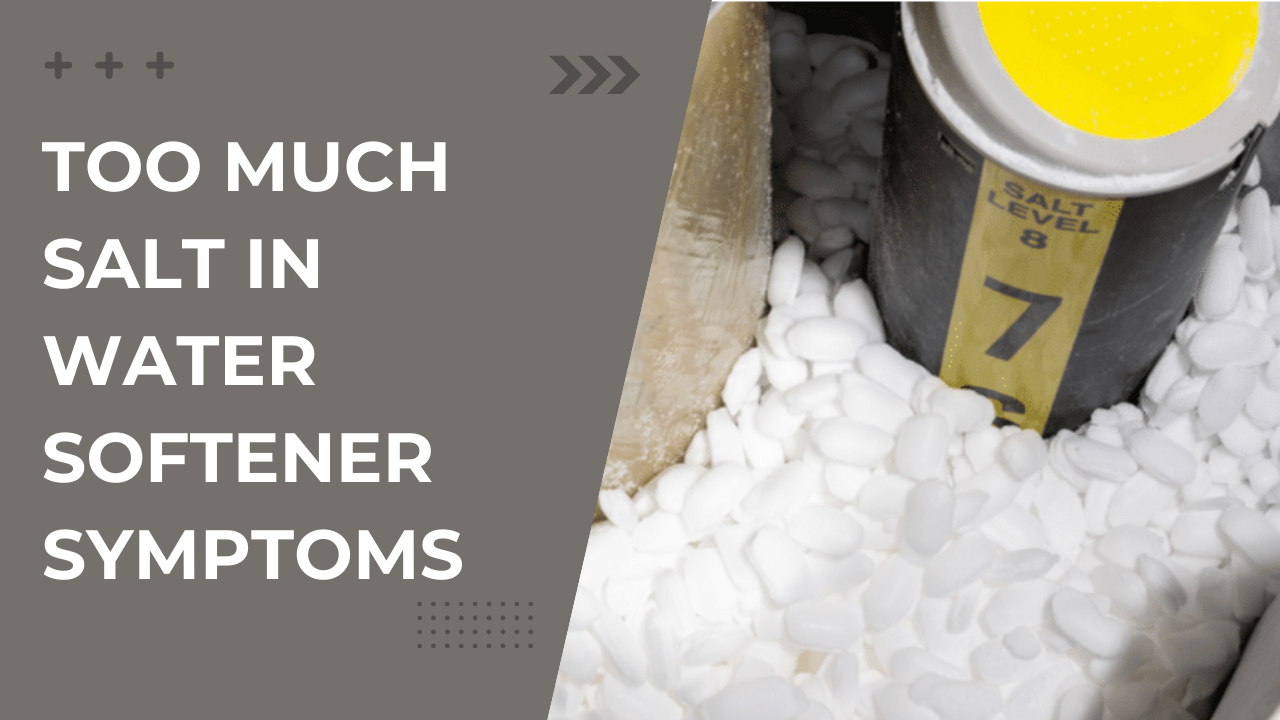 Too Much Salt in Water Softener Symptoms (What to Do) - CharlieTrotters
The Water Bill That Makes You Cry
Here’s the sneaky symptom nobody tells you about. Your water bill spikes. A system with too much salt usually regenerates too often.
Why? Because the resin gets so clogged with excess sodium that it requires multiple backwash cycles. That’s a ton of extra water going straight to your sewage line.
You thought you were saving money on detergent. Now you’re paying for Lake Michigan. Ouch.
Red Stains (Wait, Those Come Back?)
Wait—did you just see a red rust stain on your white sink? That’s a huge red flag. Excess salt can actually break the resin beads. Once that happens, the iron and manganese come right through.
Your softener starts acting like it wasn’t even there. The hard water wins. And you’re left scrubbing again.
Isn’t that why you bought the stupid thing in the first place? Don’t let the salt win.
You Open the Lid and… Smell Something
A healthy brine tank doesn’t smell like much. But a tank with too much old salt? It gets a funky, sour odor. That’s bacteria feeding on the stagnant brine.
Gross, but true. You’re basically running a bacteria spa in your basement. Eww.
If your water starts tasting a little “earthy” or smells like swamp, that’s why. Flush the tank. Start fresh.
How to Fix It (Without Calling a Guru)
First, check your salt level. If it’s more than 6 inches above the water line, you’re over-salting. Scoop some out. Yes, get your hands dirty.
Run a manual regeneration cycle. This flushes out the extra brine. Then, lower your salt dose setting on the control valve.
Most people use way too much salt. Start with the minimum recommended. Your water will still be soft, I promise.
The Final Verdict
Look, a little salt is fine. A lot of salt is a rebellion. Your softener is not a salt storage unit—it’s a precision machine.
If you see mushy socks, taste the ocean, or find a salt bridge, don’t panic. You just need a little maintenance.
Now go check your brine tank. I’ll wait. And maybe pour us both a fresh, non-salty glass of water. Ahh, that’s better.
