How Do You Get Sulfur Smell Out Of Water

There you are, turning on the tap to fill a glass for a late-night sip, and suddenly: that smell. It hits you like a ghost from a forgotten marsh—a distinct, eggy, sulfurous f...

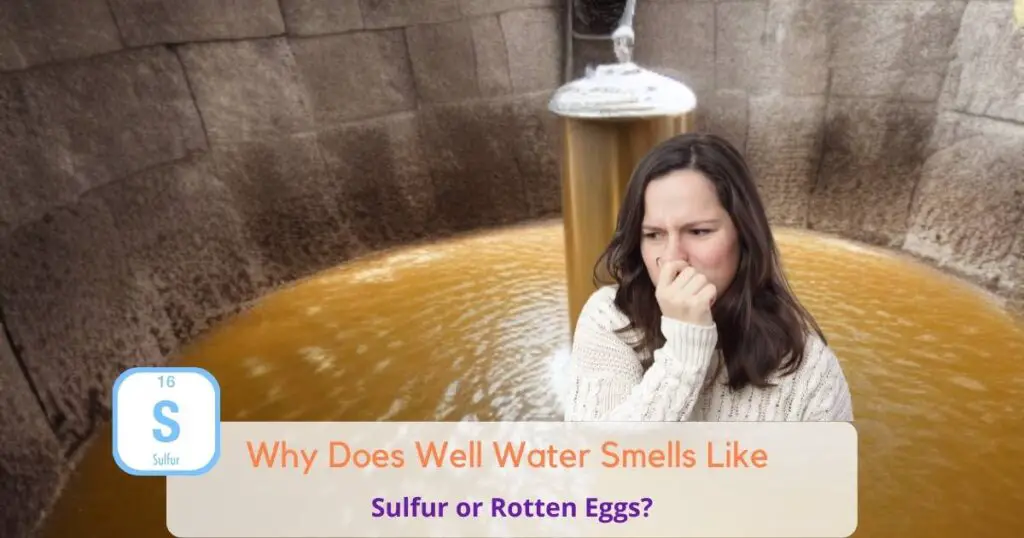
There you are, turning on the tap to fill a glass for a late-night sip, and suddenly: that smell. It hits you like a ghost from a forgotten marsh—a distinct, eggy, sulfurous funk. You’re not alone in this; millions of households battle what experts call “rotten egg water.” The culprit? It’s almost always hydrogen sulfide gas (H₂S), trapped in your water supply or lurking in your pipes.
The science is simple but stinky. That sulfur scent is created when organic matter decays underground or when certain bacteria feast on sulfates in low-oxygen environments—think of it as nature’s tiny, anaerobic party. So how do you banish it without calling a plumber in a panic? Let’s break it down like a weekend project: practical, low-stress, and with a dash of kitchen chemistry.
First, Check the Source (No, It’s Not Your Shampoo)
Before you invest in gadgets or gallons of bleach, run a simple test. Fill a glass with cold water from the kitchen tap, then take a sniff. Now fill another with hot water from the same sink. If only the hot water smells, the issue is probably in your water heater—a bacterial colony or a corroded anode rod stirring up trouble. If both smell rank, the problem is upstream: your well, municipal supply, or main plumbing.
Must Read
This little detective work saves you time and money. For a fun fact: the smell is so potent that, at low levels, your nose can detect it at just 0.5 parts per billion. That’s like sniffing out a single grain of pepper in a swimming pool. You’re basically a superhero—just an odorous one right now.
The Hot Water Heater Hack
If your heater is the villain, try a “shock” treatment that sounds intense but is surprisingly easy. Turn up the thermostat to 160°F (71°C) for a few hours—this pasteurizes the water, killing the bacteria that produce the gas. Just be very careful; that water could scald you, so lock the bathroom door and warn the kids.
For a longer fix, replace the anode rod (yes, that’s a real thing—it magically attracts corrosion away from the tank). A new aluminum or “electronic” anode rod costs about $30 and can silence the smell for years. Think of it as a spa day for your water heater: it detoxes from the inside out.
Filtration: Your Kitchen’s New Best Friend
When the smell comes from all taps, you need a filtration strategy. The most foolproof option for well water is an oxidation filter, which uses air or a chemical (like chlorine or ozone) to transform hydrogen sulfide into harmless sulfur particles. These particles are then trapped in a carbon bed—and your water comes out fresh, clean, and smelling like a mountain stream.
For city water, a simple carbon filter on your main line or under the sink works wonders. Charcoal is the silent, reliable hero of odor removal; it’s the same stuff that keeps your fridge from smelling like last week’s salmon. A point-of-use filter (like a Brita) won’t cut it for heavy sulfur—you need something that’s tested for catalytic carbon, which is specially designed to break that eggy bond.
Fun fact: in ancient Rome, people filtered water through charcoal from burnt ship timbers. They didn’t know about bacteria, but they knew clean water tasted better. You’re following a tradition that’s two thousand years old—just with better plumbing.
 Remove Sulfur Drinking Water – How to Get Rid of Sulfur When Well Water
Chemical and Natural Fixes
If you’re in a pinch and need a quick fix, a splash of white vinegar in a full kettle or pot can neutralize odors during cooking. It’s not a permanent solution, but it’s great for that one glass of lemonade that tastes like a swamp. For high-volume problems, a chlorine injection system is a classic military-grade move—used by rural homeowners and some small towns.
But here’s a softer, modern twist: consider a magnesium or zinc anode in your tank instead of chlorine. It’s gentler on the environment and your skin, and it’s surprisingly effective at starving the gas-producing bacteria. Think of it as a probiotic—but for your plumbing.
The Cultural Echo of Clean Water
Sulfur water isn’t always bad; in fact, famous spas like those in Bath, England, or Calistoga, California boast natural sulfur springs as healing attractions. People pay a premium to soak in the same stuff you’re trying to remove. The difference? Temperature, mineral balance, and intention. Your tap water just needs to be drinkable, not a luxury spa treatment.
This strange duality reminds us that context changes everything. What stinks in your kitchen is sacred in a wellness retreat. So next time you groan at that smell, pause and imagine you’re in a hot spring hotel—then install a filter and move on.
Reflection: The Quiet Joy of Odorless Life
In the end, fixing sulfur water isn’t just about removing a smell; it’s about reclaiming a small, unnoticed pleasure. That first sip of clean, cold water from a glass—no hesitation, no wrinkling your nose—is a moment of quiet luxury we rarely acknowledge. We spend so much energy filtering the world, from notifications to noise, that we forget water should be the easy part.
Whether you shock your heater, install a carbon filter, or simply pour a little vinegar, you’re not just fixing a problem. You’re choosing to make your home a more pleasant, peaceful space. And that’s the real goal: stepping into daily life without letting a little stink steal the show.
So go ahead, turn the tap. Breathe deep. If it smells like nothing, you’ve already won.
