What Hardness Setting For Water Softener

So, you finally got a water softener. Good for you! That’s a big step toward saying goodbye to crusty shower heads and squeaky-clean hair that feels strangely like straw. But...
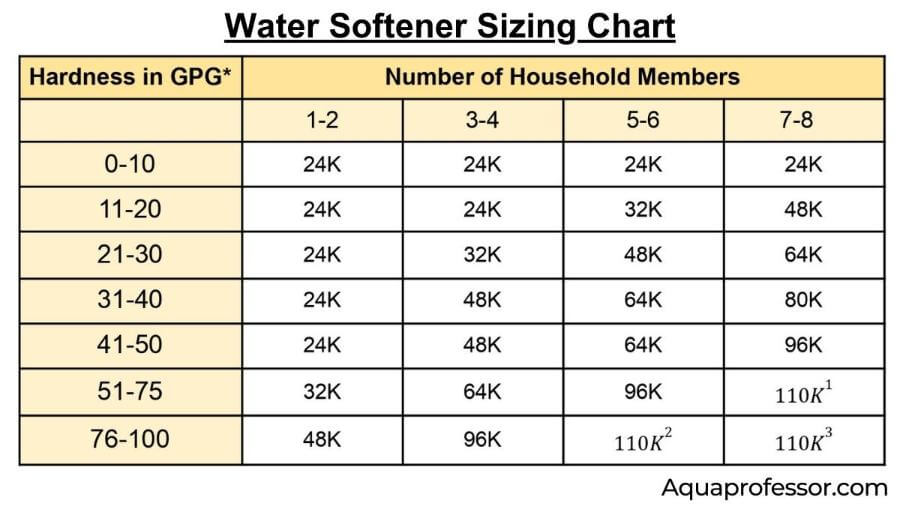
So, you finally got a water softener. Good for you! That’s a big step toward saying goodbye to crusty shower heads and squeaky-clean hair that feels strangely like straw. But now you’re staring at the little dial or digital screen, and it’s asking for something called the hardness setting. Don’t panic. It’s just a number, and we’re going to make it your best friend.
Think of your water softener like a very tired bouncer at a club. Its job is to kick out the hard minerals—calcium and magnesium—that make your water feel rough. The hardness setting tells the bouncer, "Hey, tonight, we expect 30 guests, so be ready with enough muscle." If you get that number wrong, either you waste salt or your water stays, well, hard.
The "Suds Test" That Changed My Life
I remember the day I ignored my own hardness setting. My soap wouldn’t lather, my dishes had spots, and my skin felt like sandpaper. I called a friend who fixes water softeners for a living, and he laughed. "You set it to 10 when your water is actually a 25," he said. I felt like I’d tried to bake a cake at the wrong temperature.
Must Read
That moment taught me something simple: getting the setting right is the secret sauce. When the number matches your real water hardness, everything just works. Your laundry feels softer, your coffee tastes better, and your pipes stay happy. It’s like finding the perfect setting on a thermostat—not too hot, not too cold.
How Do You Find Your Magic Number?
First, you need to know your actual water hardness. You can buy a simple test strip from any hardware store, or call your local water company. They usually know this stuff by heart. Test strips are like a home pregnancy test for your water—dip, wait, and compare the color.
Most homes in the U.S. have water hardness between 10 and 30 grains per gallon (GPG). If you’re on a well, it could be higher. I’ve seen wells that hit 50 GPG, and that water basically throws punches at you. Don’t guess. A quick test saves you from guessing, which is the same as gambling with your salt money.
Once you have that number, set your softener to that exact value. If your water is 18 GPG, dial it to 18. Some softeners let you add a "compensation" number if you have iron in your water, but for now, just the hardness. It’s like setting your alarm—just one number, but it changes your whole morning.
The "Oops" Factor: What Happens When You Get it Wrong?
Setting it too low is like under-salting your pasta water. The softener runs out of salt before it’s done its job, and hard minerals sneak back in. You’ll notice it when your shampoo doesn’t foam and your glasses look cloudy. It’s a quiet betrayal.
Setting it too high is worse. You waste salt, money, and you get that weird, slippery feeling on your skin—like you can never rinse all the soap off. Your softener regenerates more often than needed, and eventually, the whole thing gets lazy. Think of it as overworking a good employee until they quit.
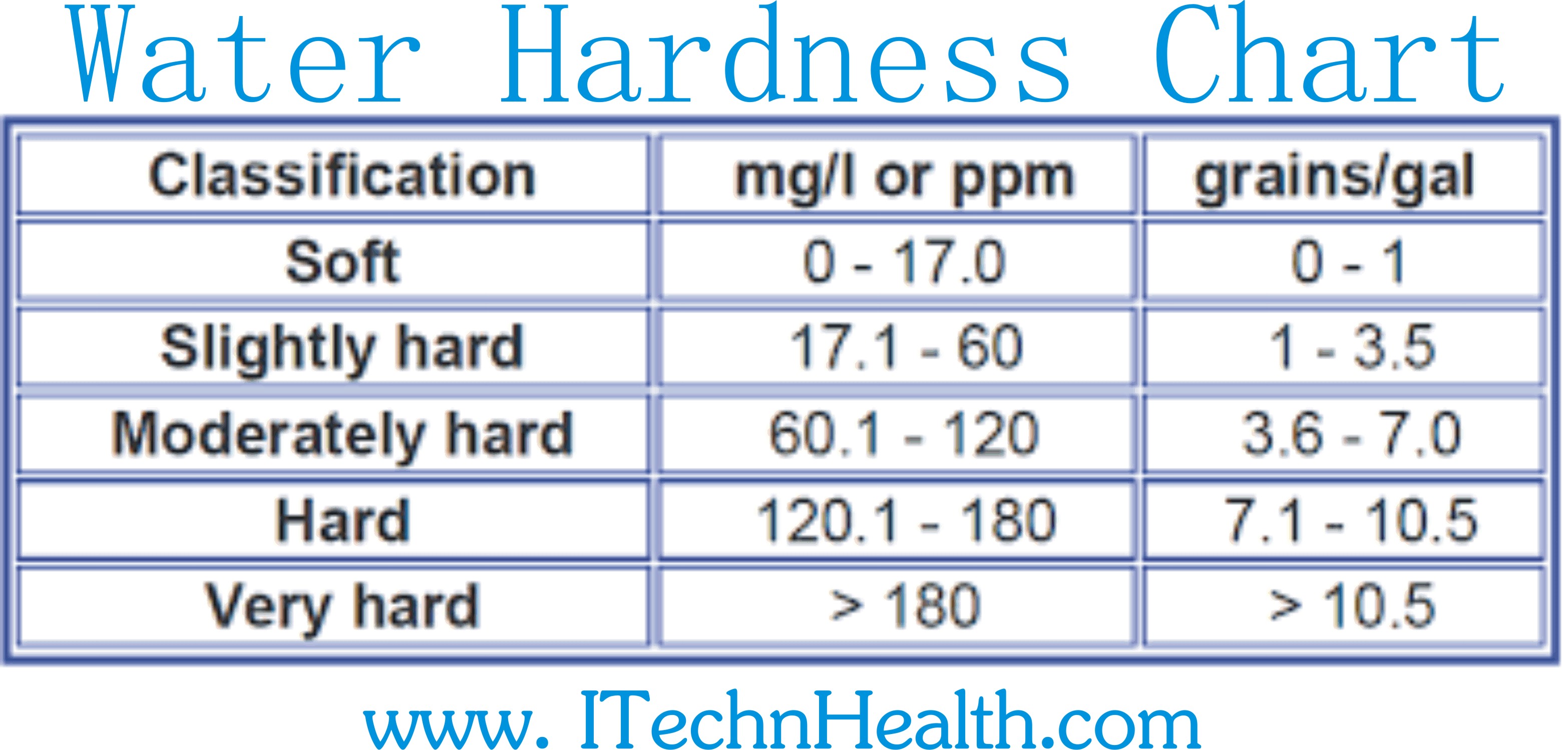 San Antonio Water Softener Hardness Setting
The sweet spot feels like magic. Your water will be so soft that you’ll wonder how you lived without it. You’ll pour a glass of water and see it’s crystal clear, not milky. Your hair will stop frizzing. And your spouse will stop complaining about "that chalky taste." Victory.
But Wait—What About Iron and Manganese?
If you have iron in your water (that orangey stain on your sink), you need to add a few extra grains to your hardness setting. A good rule of thumb is to add 4 or 5 GPG for every 1 part per million (PPM) of iron. It’s like adding a little extra spice when your recipe says "mild."
Most water test kits will also check for iron. If you see a red or brown stain, test for it. Your softener can handle iron, but only if you tell it about the extra guest at the party. A friend of mine ignored iron for a year, and his water heater looked like a rusty shipwreck. Don’t be that friend.
One Last Nudge: Check Your Manual
I know, manuals are boring. But your softener model might have a specific way to adjust the setting. Some have a dial, others a digital keypad. You’re smarter than the machine, so take two minutes to read the quick-start guide. It’s worth it.
If you lose the manual or it’s in ancient hieroglyphics, Google the model number. Videos on YouTube show you exactly how to do it. I once watched a guy in his garage, wearing a plaid shirt, change his setting in 30 seconds. You can do it too.
Finally, test your water once a year. Hardness can change if your city switches water sources or your well shifts. It’s like weighing yourself regularly—you catch small changes before they become big problems. A $10 test kit saves you from $100 salt waste.
Now go set that dial. You’ll thank me when your next shower feels like a hug from a cloud. And when your dishes sparkle, you can smile and know: you’re the boss of your water softener, not the other way around.
