Commercial Reverse Osmosis Water Systems

You know that glass of water you grab from the tap? It’s fine, right? It gets the job done. But have you ever stopped to think about what’s actually in that water, besides the...

You know that glass of water you grab from the tap? It’s fine, right? It gets the job done. But have you ever stopped to think about what’s actually in that water, besides the wet stuff?
I’m talking about the hidden stuff—the minerals, the chlorine, the little bits of sediment that your taste buds might not even notice. For most of us at home, a simple pitcher filter handles the basics. But what about a coffee shop, a restaurant, or even a small office building?
That’s where commercial reverse osmosis water systems come in. They’re like the superheroes of the water world, but without the cape. Think of them as the bouncers at an exclusive club—only the purest H2O gets through the door.
Must Read
Wait, what’s reverse osmosis?
Okay, let’s keep this simple. Imagine you have a very fine strainer, like the one you use for pasta, but millions of times smaller. Now, imagine pushing water through that strainer under pressure. Only the water molecules make it through. Everything else—the heavy metals, the pesticides, the weird taste—gets left behind.
It’s not magic, though it feels like it. It’s just science doing a really, really good job. In a commercial setting, this means every cup of coffee, every soda fountain drink, and every glass of water served tastes crisp and clean.
Why should you care?
Because you’ve probably tasted the difference without even realizing it. Ever been to a diner and thought their iced tea was just… flat? Or worse, tasted a little like metal? That’s the water. A good commercial RO system fixes that instantly.
I remember the first time I visited a local bagel shop that switched to one. Their coffee went from “meh” to “I need a second cup” overnight. The owner told me, “It’s not the beans—it’s the water.” He was right.
For business owners, it’s about consistency. You don’t want a customer’s experience to change because the city flushed the pipes or because it’s a dry season. A commercial RO system gives you the same perfect water, every single time.
It’s not just for fancy coffee shops
Think about an office breakroom. You know the one—the water cooler that’s always half-empty, and the tap water smells faintly of swimming pool. A commercial RO system can feed directly into a drinking fountain or a dedicated faucet. Suddenly, everyone is hydrating better, and the office gossip is about how good the water tastes.
Or consider a small bakery. The dough for your croissants? That’s mostly water. If the water has too much chlorine or calcium, the bread won’t rise right. A baker I know says her pastries got fluffier after she installed a system. Who knew water could make a croissant happier?
The “ick” factor
Let’s be honest for a second. Tap water in many places has trace amounts of things we’d rather not think about. Chlorine byproducts, lead from old pipes, even tiny particles of plastic. A commercial RO system strips those out. It’s like giving your water a spa day, but the spa is a high-pressure membrane.
You don’t have to be a water snob to appreciate not tasting pool water in your morning tea. It’s a small luxury that makes a big difference in how you feel throughout the day.
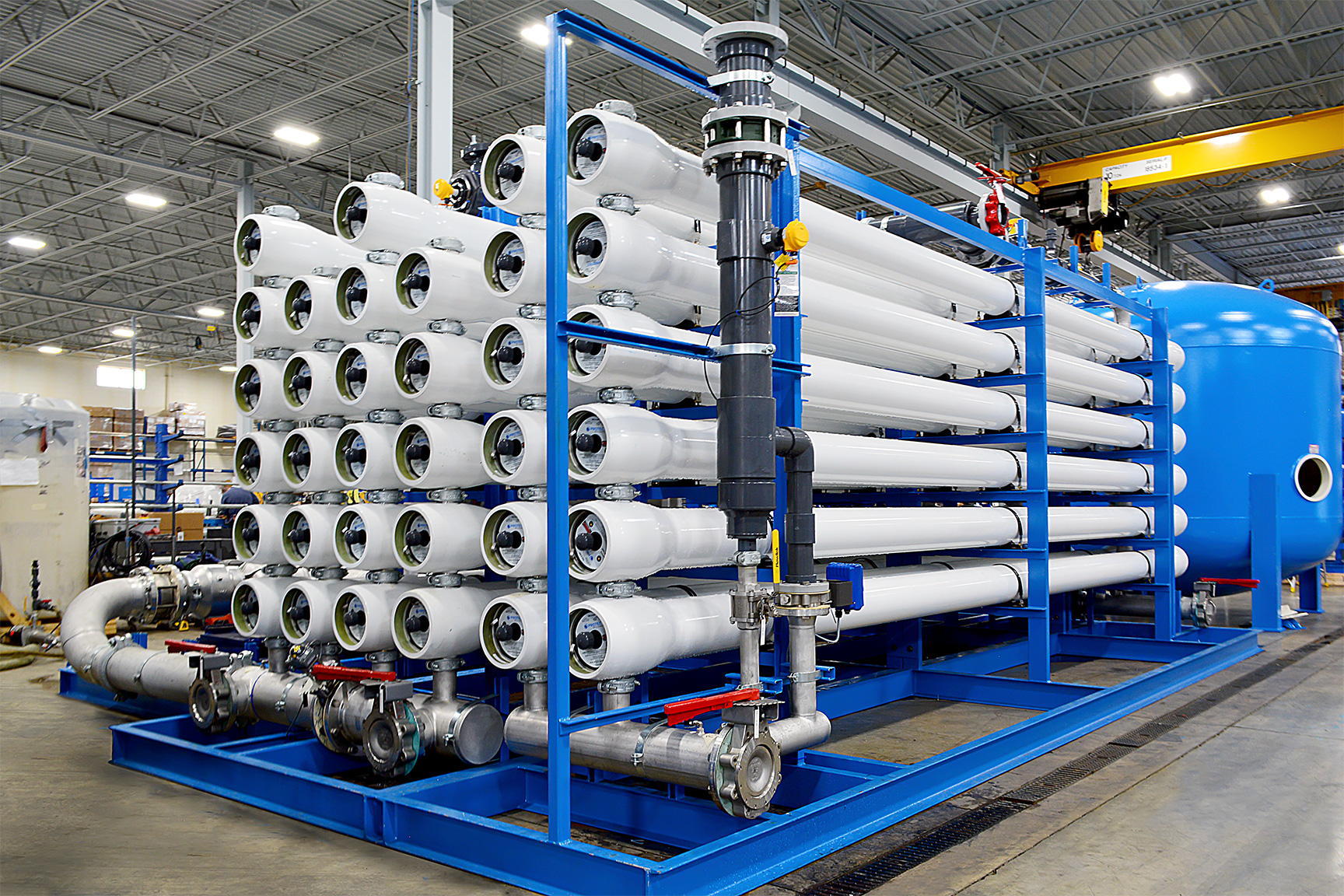 1000-GPM Reverse Osmosis (RO) System | MARLO
The elephant in the room: Cost
Alright, let’s talk money. Commercial systems aren’t cheap. They can cost a few thousand dollars, plus installation and maintenance. But think of it as an investment in quality. A coffee shop that uses crappy water is serving crappy coffee, no matter how expensive the beans are.
Restaurants and cafes often see a return on investment within a year, just from repeat customers and fewer complaints. Plus, you save on buying bottled water, which is terrible for the environment and your wallet. It’s a win for your business and the planet.
Maintenance? Not scary.
You might be thinking, “Sounds like a lot of work.” But it’s really not. Most systems just need a filter change every six months or so. The membrane itself lasts for years. It’s like changing the oil in your car—annoying, but simple, and way cheaper than a breakdown.
Some companies even offer a service plan where they do the dirty work for you. You just enjoy the perfect water. That’s the kind of lazy I can get behind.
Who needs one?
Short answer: Any business that serves food or drinks. That includes restaurants, bakeries, cafes, bars, delis, and even daycare centers. If you’re making something people put in their mouths, the water quality matters.
But also consider schools, gyms, and office buildings. Clean, great-tasting water encourages people to drink more. And we all know hydration is good for the brain—especially during a long meeting.
I once saw a gym that installed a water station with an RO system. The owner said people started staying 15 minutes longer to refill their bottles. He called it the “hydration hook.” Smart guy.
The bottom line
Commercial reverse osmosis water systems aren’t just for tech geeks or fancy chefs. They’re for anyone who cares about the basics done right. Water is the most common ingredient on earth, but it’s also the most overlooked.
Next time you sip a truly refreshing glass of water at a diner or taste a coffee that’s surprisingly smooth, take a moment. Thank the barista, sure. But quietly, in your heart, thank the reverse osmosis system that made it all possible. It’s doing the hard work so you don’t have to.
And honestly, isn’t that what we all want from technology?
