Low Energy Consumption Lab Water Systems

Let’s be honest—when most of us hear the words “lab water system,” we picture bubbling beakers, white coats, and something that sounds suspiciously like a chemistry test we’d...
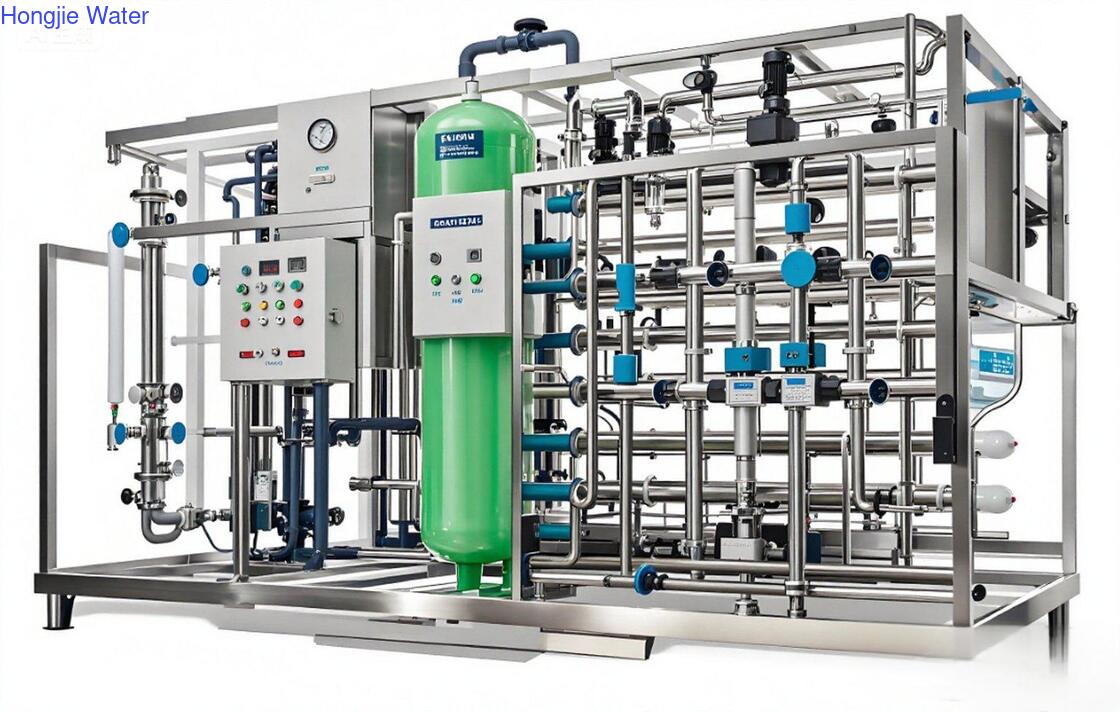
Let’s be honest—when most of us hear the words “lab water system,” we picture bubbling beakers, white coats, and something that sounds suspiciously like a chemistry test we’d rather forget. But here’s the thing: these systems are the unsung heroes of everything from your morning coffee to the vaccines that keep us healthy. And guess what? They can also be super chill on your energy bill—if you know what to look for.
What’s the Big Deal with Lab Water, Anyway?
Imagine you’re a scientist trying to discover a cure for the common cold. You don’t want your experiment ruined by tap water full of minerals, microbes, or that funny taste from old pipes. That’s where lab water systems step in—they make water pure enough for sensitive tests, medical research, and even the silicon chips in your phone.
But here’s the plot twist: these systems can be real energy hogs. A traditional lab water system is like leaving your car idling in the driveway—it uses power even when you’re not actively doing anything. That means higher electricity bills and a bigger carbon footprint, all for water that just sits there waiting.
Must Read
Enter the Low-Energy Hero
Now picture a lab water system that sips power like a cat drinks milk—gently, slowly, and only when needed. That’s the beauty of low-energy systems. They use clever tech, like smart pumps that only run when water is actually being used, and efficient filters that don’t waste energy trying to push water through. It’s the difference between a gas-guzzling SUV and a sleek hybrid car—both get you there, but one does it with a much lighter wallet and a happier planet.
Think about your own home: you wouldn’t leave the faucet running all day to have a drink of water later. Low-energy lab systems are designed with that same commonsense logic. They go into a sort of “sleep mode” when idle, waking up only to deliver perfect water on demand.
Why Should You, a Non-Scientist, Care?
You might be thinking, “I’m not a lab tech, so this has nothing to do with me.” But hold on—your smartphone, your prescription medications, even the paint on your walls were tested or made using lab water. If those labs switch to low-energy systems, those products could cost less to make, and that savings can trickle down to you.
Here’s a little story: My friend Karen works at a biotech lab. She told me their old water system sounded like a possessed espresso machine and used as much power as a small apartment. They swapped to a low-energy system last year, and her boss threw a pizza party with the money saved on electricity. That’s a win for science, pizza, and the planet.
The Little Things That Add Up
Low-energy systems aren’t just about saving a few bucks. They also reduce heat waste—meaning the lab stays cooler in summer, which saves on air conditioning. It’s like leaving your oven off on a hot day. Plus, they use less water overall, because modern recirculation loops don’t dump half the good stuff down the drain.
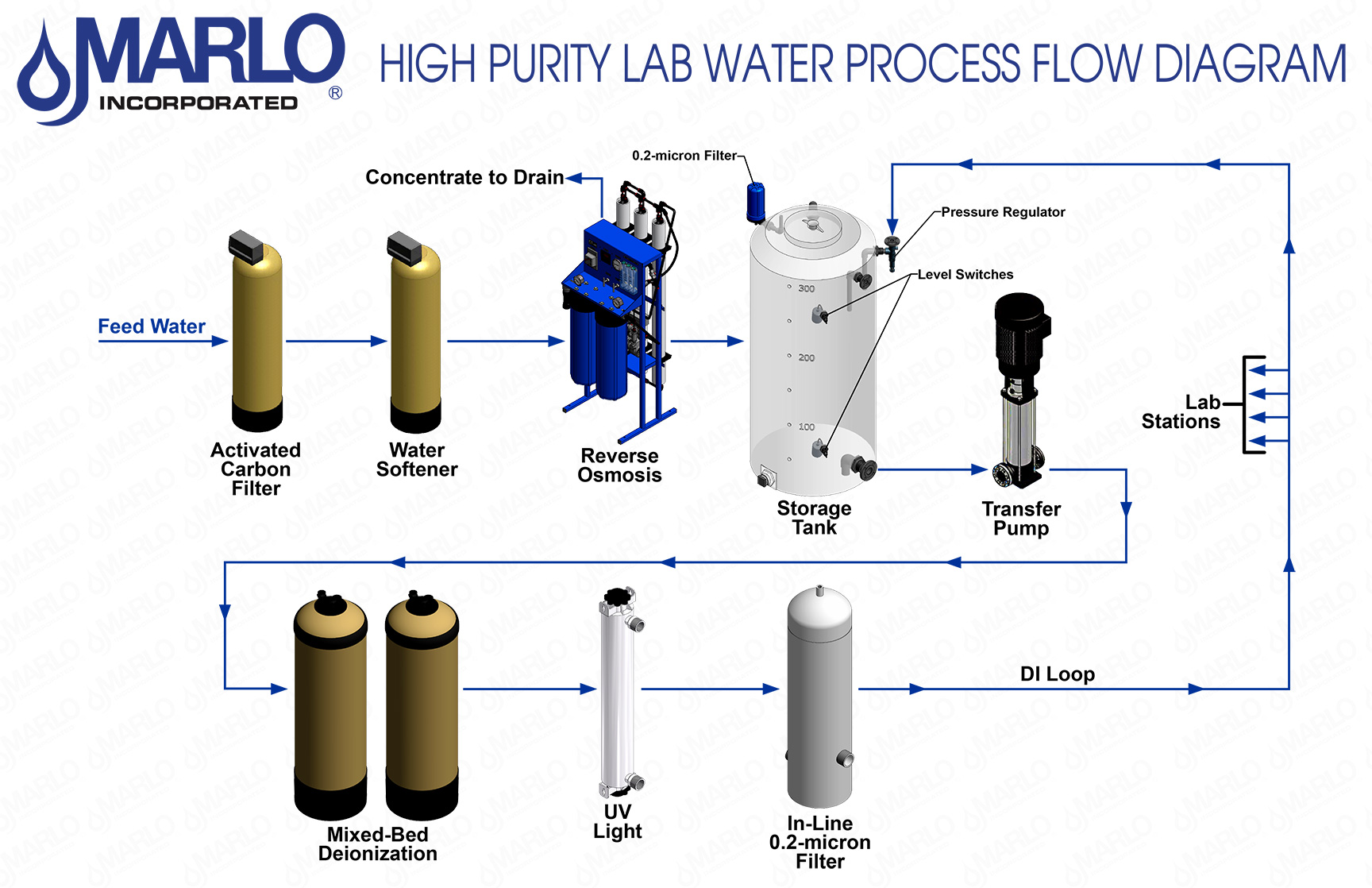 Laboratory Pure Water Systems at Avis Smith blog
Imagine your garden hose: if you left it running continuously, you’d drown the petunias and waste a ton. Low-energy lab systems are like a smart sprinkler that waters the flowers only when the soil is dry. It’s efficient, gentle, and never wasteful.
How to Spot a Good One
If you ever find yourself shopping for lab gear (or just want to sound clever at a dinner party), look for systems with “energy star” or “low standby power” labels. Ask about “demand-based pumping” and “heat recovery”—these are the fancy terms for “green and smart.”
And remember: bigger isn’t always better. A giant system that produces 200 gallons of pure water per hour, but only uses 10, is like buying a monster truck to drive to the corner store. Choose a system that matches your actual needs—it’ll save energy, money, and your sanity.
A Gentle Ripple Effect
Look, nobody expects you to become a lab water enthusiast overnight. But next time you see a news story about climate change or rising energy costs, think about the little things that can help. A low-energy lab water system is like the quiet neighbor who never bothers anyone but always keeps the street safe—you don’t notice it, but you’re better off because it’s there.
So whether you’re a scientist, a student, or just someone who enjoys reliable modern life, you can feel good about the choices labs make. Tell your lab-worker friend to check out a low-energy system—they’ll save money, save energy, and maybe even treat you to a pizza party. Win-win.
