Water And Wastewater Treatment Chemicals

So the other day, I’m staring into my fish tank, watching my goldfish, Sir Reginald Fluffington III. (Don’t judge the name; it was a very serious decision by my five-year-old....
So the other day, I’m staring into my fish tank, watching my goldfish, Sir Reginald Fluffington III. (Don’t judge the name; it was a very serious decision by my five-year-old.) Suddenly, the water turned a milky, gross green. I panicked. I dumped in some “water clarifier” like a crazy person. Within two hours, the tank was crystal clear, and Sir Reginald was back to his dignified, floating self. That little bottle of chemical magic got me thinking: what’s actually in this stuff?
Spoiler alert: it’s basically the same insanely complicated chemistry that runs your city’s water plant. Just scaled down from a gargantuan concrete tank to a tiny glass box. And if you think your fish tank is drama, imagine the pressure of keeping an entire city from turning into a swamp. That’s where water and wastewater treatment chemicals come in—the unsung, slightly secretive bounty hunters of the modern world.
The Dirty Truth About Clean Water (Pun Intended)
Let’s be real: “wastewater” is a fancy term for everything you flush, drain, or pour down the sink. It’s a nasty soup of soap, grease, food scraps, and biological matter you’d rather not think about. Without chemicals, that soup would just sit there, ferment, and smell like a crime scene. Seriously.
Must Read
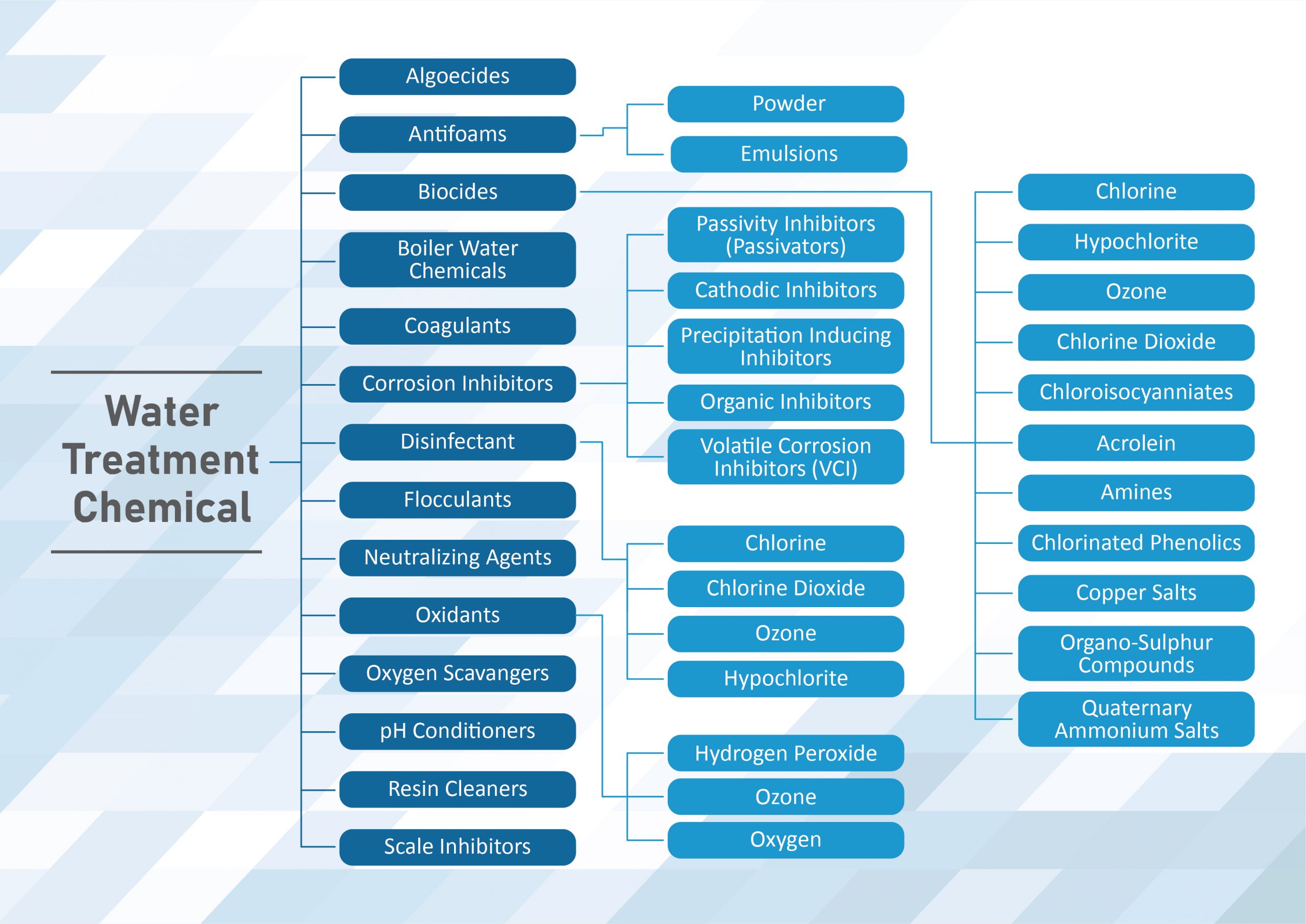
So what do we use to fix that nightmare? Coagulants and flocculants are the geeky superheroes of this story. Think of them like a net that grabs all the tiny, floating gunk (the stuff you can’t even see) and clumps it together into big, heavy chunks called “floc.” Alum and ferric chloride are the usual suspects here. They’re like the social magnets of the chemical world—they make dirt particles get along and settle down.
Don’t get me started on pH adjusters. Lime or sulfuric acid are used to balance the water’s acidity. Toilet water that’s too acidic will eat your pipes alive. But too basic? It’ll turn your shower into a slippery, scale-covered nightmare. Balance, people. It’s the boring but crucial part of the job.
Disinfection: The Chemical Bouncer
Now for the big guns: disinfectants. You know chlorine. It’s the classic, the rockstar of water treatment. It kills bacteria, viruses, and parasites like a microbe-sized Godzilla. But here’s the irony: chlorine is also kind of a brute. It reacts with organic matter to form disinfection byproducts (DBPs)—nasty little compounds that are actually carcinogenic. So we’re trading one problem for another. Classic human engineering, right?
That’s why some plants use ozone or UV light instead. Ozone (O₃) is a powerful oxidizer made from electricity—it annihilates pathogens without leaving a chemical trace. But it’s expensive and doesn’t stay in the water long enough to protect your pipes. So many plants use chloramine (a mix of chlorine and ammonia) for the long haul. It’s like the bouncer who’s gentler but stays until closing time.
Wastewater: Where the Real Magic Happens
Wastewater treatment is a slower, more forgiving process. It’s biological first, chemical second (usually). Bacteria do the heavy lifting, munching on the organic waste. But sometimes, the bacteria are lazy or the flow is too high. That’s when chemicals step in. Polymer flocculants help the sludge clump up faster so it can be removed. It’s like giving the bacteria a giant coffee and a deadline.
And then there’s the phosphorus problem. Too much phosphorus in the water (from laundry detergents and human waste) makes algae bloom like crazy. That’s bad—algae suffocate lakes. So plants add ferric chloride or aluminum sulfate to bind up the phosphorus and drag it out of the water. Poof. No more green slime for you, algae.
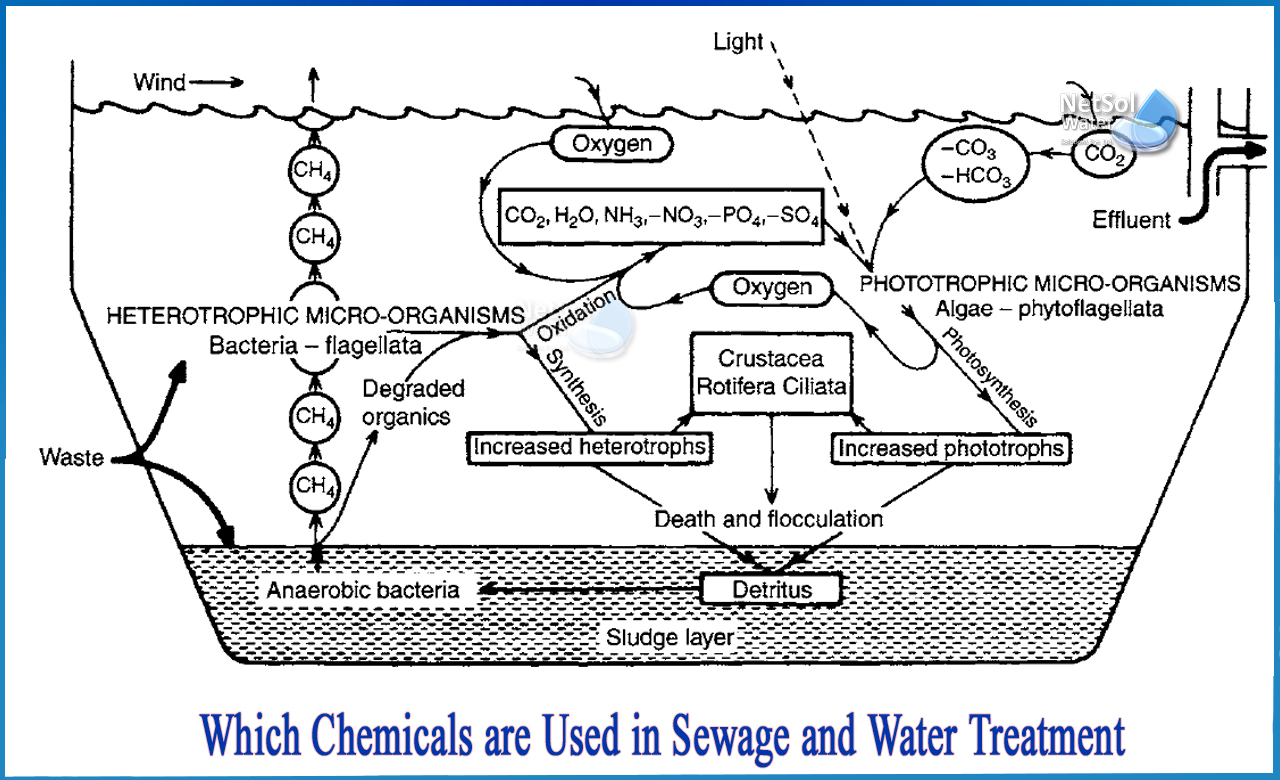 Which chemicals are used in Sewage and Water treatment
Curious about the smell? You betcha. Hydrogen sulfide gives wastewater that lovely rotten-egg flavor. So plants drip in hydrogen peroxide or sodium hypochlorite to oxidize the smell away. It’s like Febreze for industrial sludge, except with actual chemical warfare.
The Final Rinse: Corrosion and Scale Control
Once the water is clean(ish) and on its way back to the environment or your tap, we worry about the pipes. You don’t want the water dissolving lead from old pipes (hello, Flint crisis) or crusting your pipes with calcium carbonate. So we add orthophosphate to form a protective layer inside pipes, and sodium hexametaphosphate to keep scale from forming. It’s like giving your plumbing a coat of invisible armor.
And let’s not forget anti-foam agents. Have you ever seen a wastewater treatment plant? It looks like a giant bubble bath gone horribly wrong. A few squirts of silicone-based defoamer, and bam—the suds disappear. So satisfying.
Is This Freaking You Out?
It might sound scary—all these chemicals in your water. But the reality is, we’ve been doing this for over a century. The average dose of chlorine in your tap water is about 0.5 to 4 parts per million. That’s like one drop in an Olympic-sized swimming pool. Seriously. The chemicals we use are rigorously tested, and the trade-off (avoiding typhoid, cholera, and dysentery) is mind-blowingly worth it.
So next time you take a sip from the sink, or watch your goldfish swim in crystal water, remember: it’s a quiet miracle of chemistry. Some of it is brute force, some of it is delicate balance. And all of it is held together by a few squirt bottles of chlorine and a prayer.
Now, if you’ll excuse me, I have to check on Sir Reginald. He’s looking a little suspicious of the water filter. I don’t blame him, honestly.
