Whole House Filter Cartridge Replacement

There comes a moment in every homeowner’s life when the shower pressure drops to a pathetic trickle, or the tap water starts tasting like an old sock. It’s not a ghost; it’s a...
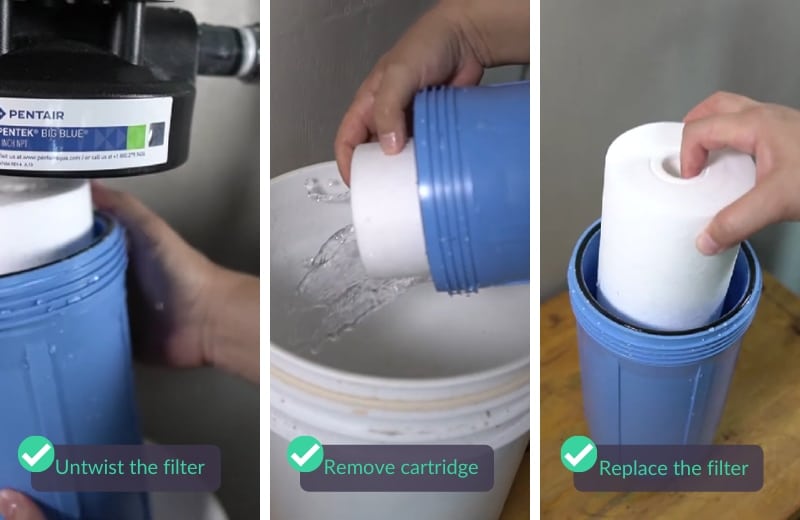
There comes a moment in every homeowner’s life when the shower pressure drops to a pathetic trickle, or the tap water starts tasting like an old sock. It’s not a ghost; it’s a cry for help from your whole house filter cartridge. Think of it as the unsung hero of your plumbing, quietly working 24/7 like a bouncer at a hip club, turning away sediment, chlorine, and rust.
You just haven’t been paying attention to it. Replacing that cartridge is the cheapest, most satisfying upgrade you can give your home this weekend—no tools, no plumber, just a little elbow grease.
The Timing Question: When Is “Too Late”?
Most manufacturers suggest swapping the cartridge every three to six months, but let’s be real—who actually marks that on a calendar? A better rule of thumb is to watch for the “three D’s”: Dull water pressure, a Dirty sediment buildup in your toilet tank, or a Dismal taste in your morning coffee.
Must Read
If your water smells like a swimming pool after a storm, your filter is officially on strike. As a fun little fact: a single cartridge can trap up to five pounds of sediment over its lifespan. That’s the weight of a chubby house cat—just floating around in your pipes. Gross, right?
Waiting too long isn’t just gross; it’s expensive. A clogged filter forces your water heater and washing machine to work harder, shortening their lives by months. Change it on a Sunday while you listen to a podcast—your appliances will thank you with lower energy bills.
The Ritual: How to Swap It Like a Pro
First, turn off the main water supply. It’s usually a big blue handle near your pressure tank or meter. If you skip this step, you’ll baptize your basement in a cold, muddy surprise—a mistake you only make once.
Next, release the pressure by opening a faucet downstairs until the water stops. This is the part where you feel like a homeowner god, commanding the flow of water. Unscrew the housing bowl (a plastic canister) using a strap wrench—your hands will cry if you try bare-knuckle.
Here’s the golden tip: Lube the O-ring. Those rubber seals dry out and crack, causing slow leaks that rot your floorboards. A dab of silicone grease on your finger, rubbed around the ring, is the difference between a six-month fix and a six-hour disaster.
Drop in the new cartridge (fins facing up, always), hand-tighten the bowl, and turn the water back on slowly. Let it run for five minutes—your water will look like iced tea at first, which is just harmless carbon and trapped air. Give it a taste test; you’ll notice the difference instantly.
The Cultural Connection: Filtered Water as a Status Symbol
In the 1980s, having a Brita pitcher on your counter was peak yuppie luxury. Today, a whole house filter is the quiet flex. It’s like having a “No Tapas, No Microplastics” bouncer at every sink—your skin feels softer, your coffee tastes cleaner, and you never have to argue with a delivery person about water jugs.
 How To Change A Whole House Water Filter (June 2026 DIY Guide)
Think of it as the home equivalent of Marie Kondo for your plumbing. You’re removing the clutter (sediment, heavy metals, chlorine) so your water can spark joy. It’s pragmatic self-care, the kind you feel in your shower and your gut.
Fun fact: the average American family uses around 300 gallons of water per day. That’s a lot of potential sediment sliding over your teeth and into your favorite kettle. Replacing the cartridge every few months means every one of those gallons is pre-filtered for pure, neutral pleasure.
Pro Tips for the Procrastinator
Buy a two-pack of filters next time you’re at the hardware store. It’s like buying double-ply toilet paper—you think you’re saving time, and you actually are. Mark the change date on the new filter with a Sharpie, or set a repeating reminder on your phone for “Filter Day.”
Don’t buy the cheapest generic cartridge. Spend the extra $10 for a certified NSF-53 filter—it removes cysts like Giardia and Cryptosporidium, which are exactly as scary as they sound. Your local tap water might pass regulation tests, but old pipes and municipal algae blooms add a little “character” you don’t want in your pasta water.
And for the love of all that is holy, keep a bucket under the housing bowl as you unscrew it. You will spill about a cup of water no matter how careful you are. Embrace the mess—it’s the baptism of home maintenance.
Reflection: The Quiet Virtue of Maintenance
In a world obsessed with buying new things—new phones, new cars, new experiences—there is deep, quiet satisfaction in maintaining what you already have. Replacing a filter cartridge is a small rebellion against the disposable mindset. It says, “I value my home, my health, and my morning routine enough to get my hands a little dirty.”
That first glass of clean, crisp water after a change? It tastes like competence. Like you finally adulted with style. The shower feels like a gentle rain instead of a punishing spray. The washing machine hums instead of groans. You’ve bought yourself three more months of peace—one filter at a time.
So go ahead. Order the cartridge. Lube the ring. Turn the water back on. Your future self, standing in a steamy shower with soft skin and a clear mind, will send you a silent, grateful nod. You earned it.
