Ultraviolet Disinfection Water Treatment

Have you ever looked at a glass of water and wondered what’s *actually* in there? I mean, beyond the obvious H2O. It’s a bit of a wild thought, right? But here’s the cool part...
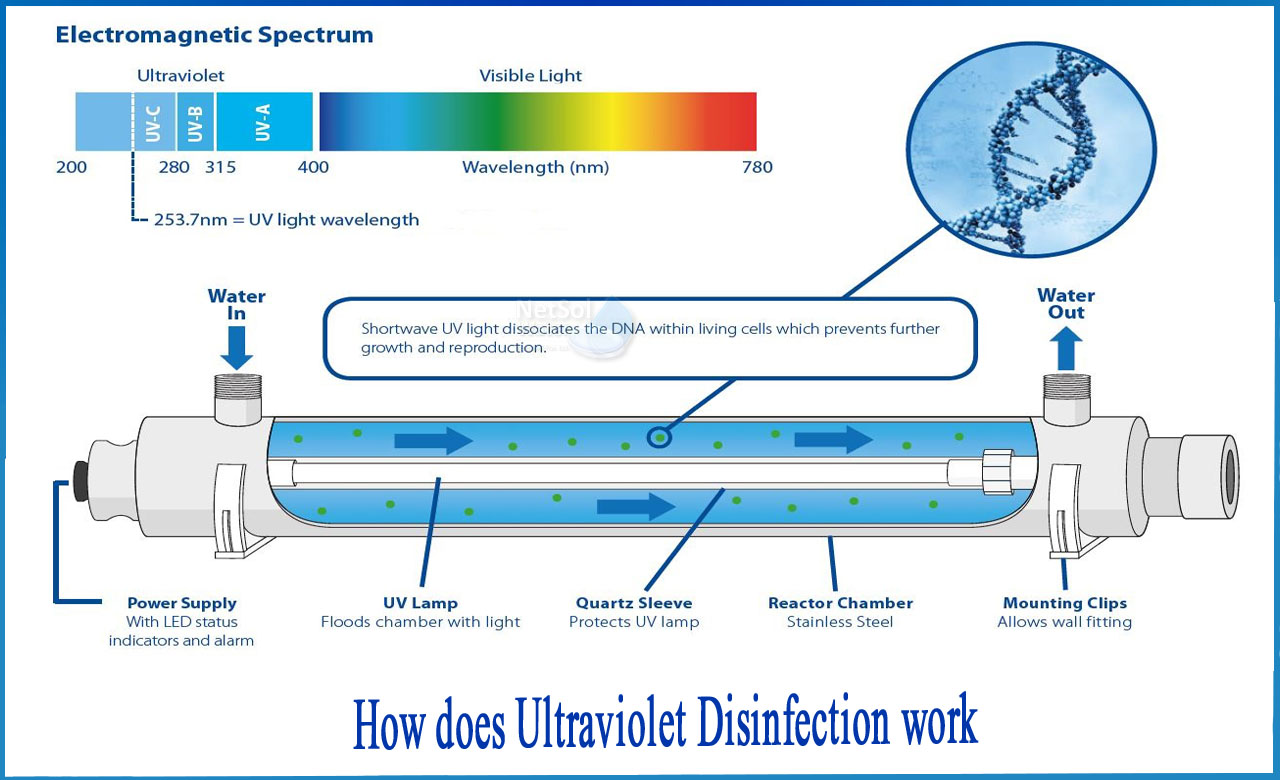
Have you ever looked at a glass of water and wondered what’s actually in there? I mean, beyond the obvious H2O. It’s a bit of a wild thought, right? But here’s the cool part: we don’t need to see germs to kick them out, and one of the chillest ways to do it uses something you see every day—light.
Specifically, we’re talking about ultraviolet (UV) light. It’s the same stuff that gives you a sunburn, but when we use it smartly, it becomes a silent, invisible bouncer for your drinking water. No chemicals, no weird tastes, just pure science doing its thing.
So, What’s the Big Deal About UV?
Think of UV disinfection like a mini rave for bacteria—except nobody’s dancing, and the party gets shut down almost instantly. When water flows past a special UV lamp, the light waves zap right through the cells of tiny microbes. It scrambles their DNA, like someone messing with the blueprint of a building.
Must Read
Without their DNA instructions, those little guys can’t reproduce. They just… stop. It’s not like they’re killed in a violent way; it’s more like they’re put into a permanent, harmless sleep. And honestly? That’s way more elegant than dumping a bunch of chlorine into the mix.
Why Should We Care?
Because chemicals are so last century. Chlorine works, sure, but it can leave a funny taste and create byproducts that aren’t exactly great for you. UV disinfection is the clean freak of water treatment—it leaves behind nothing except pure, disinfected water.
It’s also a superhero for places where boiling water isn’t practical. Think about a camping trip. Instead of hauling a huge pot and wasting fuel, you could just use a little UV pen or bottle. Zap, and your stream water is safe to sip. How cool is that?
No, It Doesn’t Make You Glow in the Dark
I can hear you asking: “Doesn’t UV light hurt us?” Well, yeah, direct sunlight can. But in a water treatment system, the light is trapped inside a metal chamber or a bottle. The water gets the ray treatment, but you don’t. It’s completely safe.
Also, UV only works on the stuff in the water. It doesn’t remove dirt, sediment, or heavy metals. So, you usually need a simple filter before the UV step. Think of it like this: the filter is the strainer catching the big chunks, and the UV is the laser cleaning up what you can’t see.
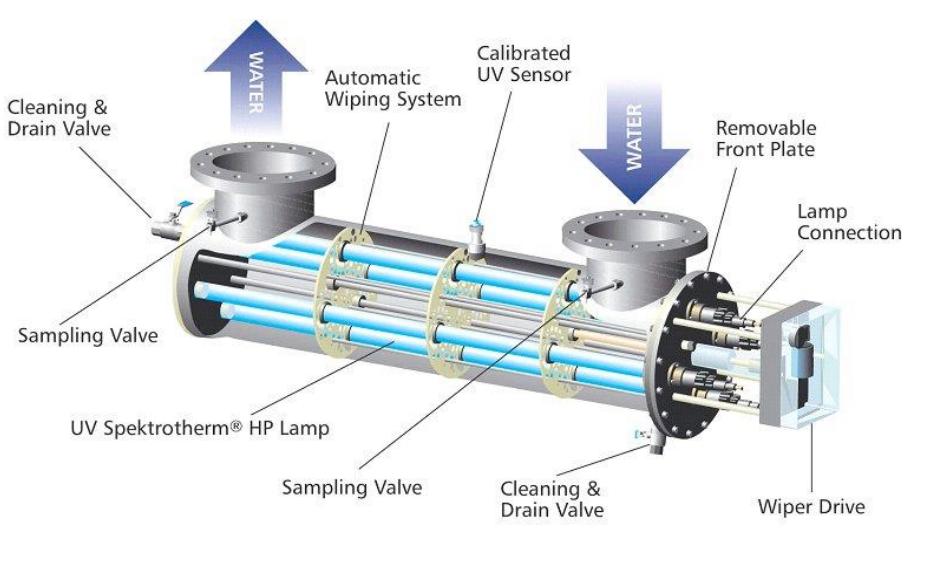 Uv Light Disinfection Water Treatment | Shelly Lighting
The Fun Comparison: A Sunburn for Germs
Imagine you’re a tiny bacteria floating in a dark pipe. Suddenly, a bright purple-blue light hits you. That’s your worst day ever—it’s like getting a sunburn in a second, but way more effective. The UV light doesn’t care if you’re a virus, a bacterium, or a protozoan; it just messes with your genetic code.
And here’s the kicker: it does this without adding anything to the water. No salt, no bleach, no “oh, that tastes like a swimming pool.” Just pure, unadulterated H2O. It’s almost magical, but it’s really just physics and biology having a quiet victory.
Is It Already in Your Life?
Chances are, yes! Many municipal water plants use UV as a final polish. Those fancy office water coolers? Often have a UV light inside. Even some smart refrigerator filters are starting to include UV to keep the ice cube tray fresh.
It’s one of those technologies that’s quietly working in the background, like a really reliable friend who never asks for credit. It’s simple, it’s sustainable, and it uses something as free as sunlight to do the heavy lifting.
So next time you drink a glass of tap water, take a moment to appreciate the invisible glow that might have zapped the nasties away. No drama, no chemicals, just a beam of light making the world a little cleaner and your water a lot safer. Pretty rad, isn’t it?
