Spin Down Sediment Filter For Well Water

You know that feeling when you pour a glass of water from the tap, and it looks like a tiny, sad sandstorm? You wait for it to settle, watching the grit drift to the bottom li...
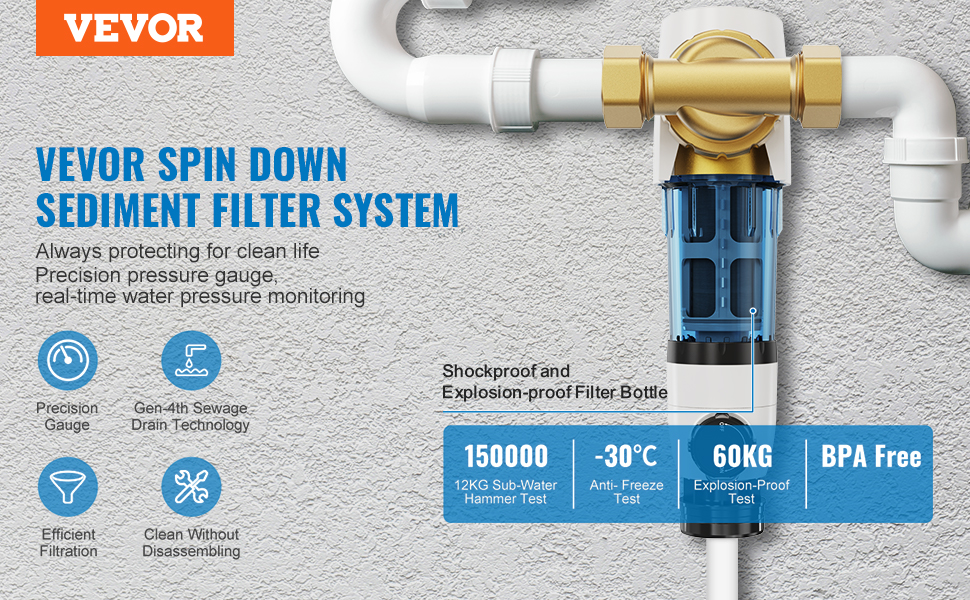
You know that feeling when you pour a glass of water from the tap, and it looks like a tiny, sad sandstorm? You wait for it to settle, watching the grit drift to the bottom like a microscopic beach scene. That, my friend, is the reality of well water—it comes with character, and by character, I mean enough sediment to make your teeth feel like sandpaper.
We’ve all been there, staring at a washing machine full of brownish water, wondering if your white shirts just joined a mud-wrestling team. It’s not exactly the spa-like experience you signed up for. Enter the spin-down sediment filter, the unsung hero of every well owner’s plumbing adventure.
The Spin-Down Filter: A Tiny Centrifuge for Your Sink
Imagine a miniature, water-powered merry-go-round that hates dirt with a passion. That’s essentially a spin-down filter. It uses the force of the water flowing through it to create a spin—like a tiny tornado inside a plastic tube.
Must Read
The heavy stuff—sand, silt, rust flakes, and what I call “mystery grit”—gets flung against the walls and drops to the bottom. Meanwhile, the clean water spirals up and out, ready to make your morning coffee taste like coffee, not well swill. It’s physics, but with a lot less math and a lot more clean laundry.
I installed mine in about fifteen minutes, which is about the same time I usually spend trying to get a stubborn jar lid off. And the best part? You don’t need to replace a cartridge every month like that needy cousin you avoid at family dinners.
Maintenance That’s Almost Fun (Seriously)
Here’s where the spin-down filter really earns its keep. When it gets full—usually every few weeks or months—you just turn a little handle at the bottom. It’s like flushing a toilet for your sediment, only way less embarrassing. You open the valve, and a blast of dirty water shoots out, usually ending with a fun little sputter sound.
I once forgot to flush mine for two months. When I finally did, a small brown blob the size of a golf ball came rolling out. I named it Bob. Bob was a solid mass of rust and sand, and he was instantly banished to the garden soil. Bob is now worm food. It’s a beautiful cycle.
The whole process takes about ten seconds. You don’t need a wrench, a bucket full of tears, or a YouTube tutorial. Just spin, flush, and go back to watching raccoons fight over your trash cans.
Why Your Toilet Tank Will Thank You
Before my spin-down filter, my toilet tank had a lovely orange crust that looked like a Jackson Pollock painting made of rust. My dishwasher had a collection of grit that required its own zip code. And my shower head? It sputtered like a grumpy old man on a park bench.
After installing the filter, everything changed. The toilet tank stayed clear. The dishwasher stopped sounding like it was chewing gravel. And the shower head now sprays like a pampered princess. It’s the difference between taking a shower in a hotel and taking one in a construction site.
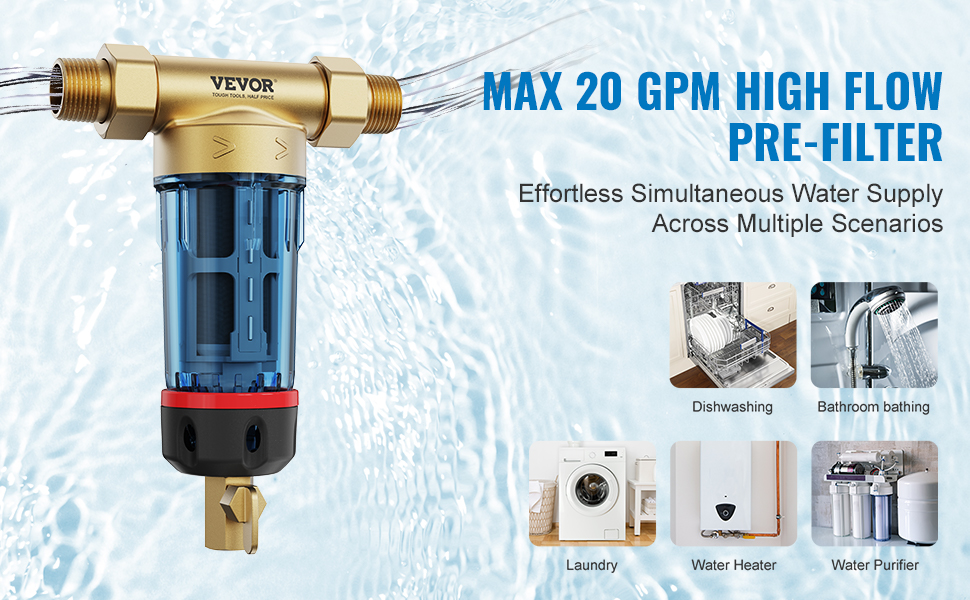 VEVOR Spin Down Filter, 40 Micron Whole House Sediment Filter for Well
You don’t realize how much sediment you’re drinking until a friend says, “This iced tea tastes… crunchy.” Yeah, that was my life. Not anymore.
The “Costco” of Sediment Control
There’s a reason plumbers love these things. They’re cheap to buy—usually around $40 to $100—and they last for years. The only thing you might replace is a tiny o-ring, which costs about the same as a pack of gum. Compare that to cartridge filters that make you drop $20 every few months, and you’ll feel like you just discovered a secret coupon for life.
Plus, spin-down filters don’t remove the good minerals that make well water taste unique. They just kick the big, annoying particles to the curb. It’s like having a bouncer at the club of your pipes. “Sorry, gravel chunk, you’re not on the list.”
A Few Real Talk Points
Okay, let’s be honest: it’s not a magic wand. If you have microscopic bacteria or chemical contaminants, you still need a UV light or carbon filter. The spin-down only catches things you can see—sand, rust, and the occasional tiny leaf that somehow snuck in. But for most well owners, that’s 90% of the problem.
I also learned the hard way to install a pressure gauge before and after. If the pressure drops a bunch, you know Bob’s back. You can’t manage what you can’t measure. Or, as I like to say, “If your water pressure’s weak, your filter might be full of geek.”
And don’t forget to install a shut-off valve before the filter. My first flush turned into a small indoor flood that made me realize I hadn’t waterproofed my life nearly enough. A $5 valve saves you from a $500 cleaning bill and a very wet sock.
The Bottom Line (Pun Intended)
So if you’re tired of your well water tasting like you’re sipping from a riverbed, give a spin-down sediment filter a shot. It’s a small, cheap, and satisfyingly simple solution. You’ll get cleaner water, happier appliances, and a new hobby: flushing Bob out of his home.
Your teeth will stop grinding on secret sand. Your coffee will taste like coffee. And your toilet will finally look clean long enough for guests to actually want to use it. That’s a win in my book. Plus, you get to say “spin-down filter” at parties, which sounds incredibly scientific and makes you look like a plumbing wizard. Trust me, it’s a good look.
