Industrial Activated Carbon Water Filter

Ever wonder what happens to that weird taste in your tap water? Or why some folks get oddly excited about a black, crumbly sponge? I’m talking about industrial activated carbo...
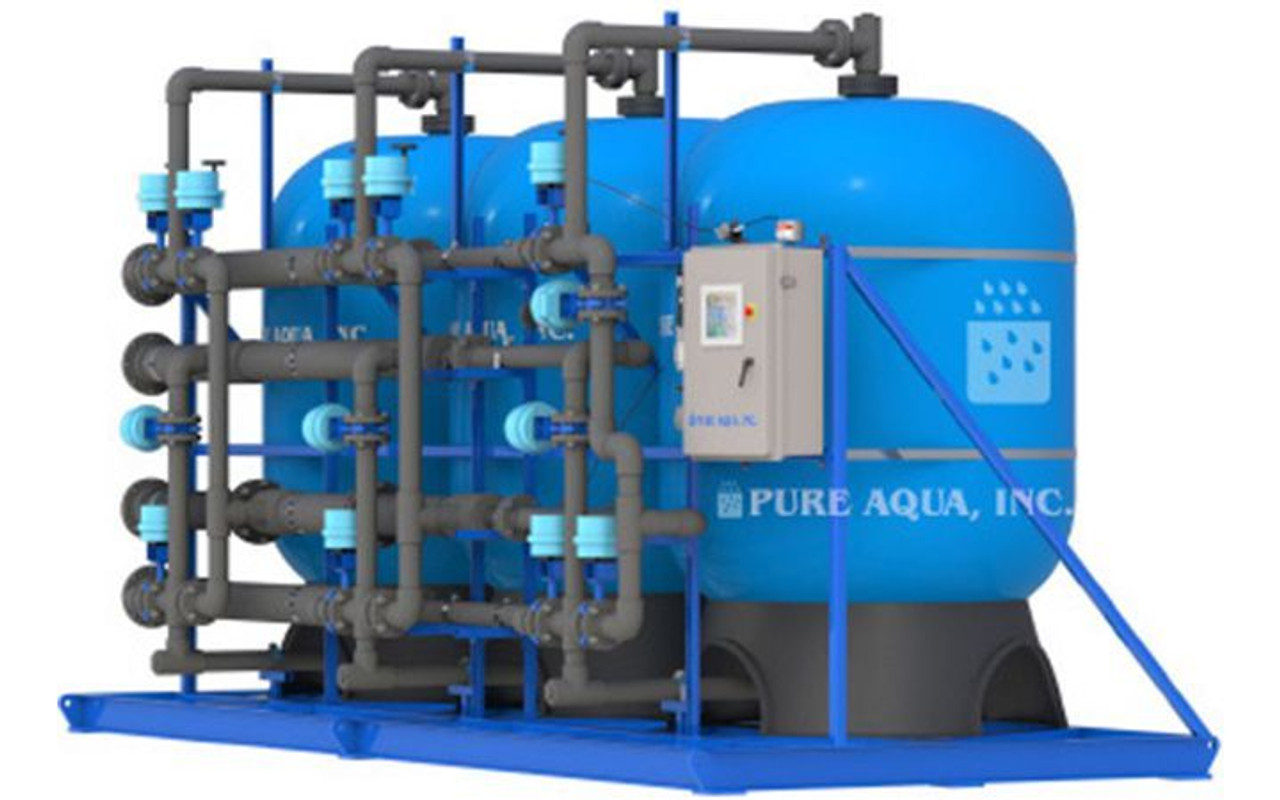
Ever wonder what happens to that weird taste in your tap water? Or why some folks get oddly excited about a black, crumbly sponge? I’m talking about industrial activated carbon water filters. They’re basically the silent, hardworking ninjas of the water world.
This Isn’t Your Grandma’s Charcoal Briquette
Let’s get one thing straight: this isn’t the stuff from your barbecue. Sure, it starts as a carbon source—like coconut shells, wood, or coal. But then it gets zapped with steam or heat in a special process called activation.
Imagine taking a kitchen sponge and then using a microscopic laser to carve billions of tiny, winding tunnels into it. That’s what activation does. It creates a surface area so huge, a single gram of activated carbon could cover a football field. Wild, right?
Must Read
It’s like a sponge on steroids, but for grabbing pollutants instead of water.
How It Actually Works (The Super Simple Version)
Think of it like this: your water is a busy highway full of random stuff. There are cars (water molecules), but also some junk like pesticides, chlorine, and bad smells. Carbon filter is a toll booth that only lets the good cars through.
How? It uses a process called adsorption (not absorption, which is different). That “d” makes all the difference. The bad molecules stick to the carbon surface like Velcro, while the water flows right past. Poof—your glass tastes cleaner.
It’s like a chemical magnet, but way more chill. It doesn’t fight the dirt—it just politely invites it to stick around.
Why It’s Actually Cool in the Real World
You might think this is just for fancy home water pitchers. Nope. Industrial activated carbon filters are the heavy lifters. They clean thousands of gallons an hour at water treatment plants, breweries, and soda factories.
Ever wondered why your favorite craft beer tastes so crisp? Yeah, carbon filters strip out the chlorine and weird compounds that would wreck the flavor. It’s the unsung hero of your Friday night IPA.
And in hospitals? They remove nasty chemicals from dialysis water. This stuff is literally life-saving. Not bad for a lump of charred coconut.
What It Can’t Do (Yes, There Are Limits)
I know, I know—it sounds magical. But don’t get too starry-eyed. Activated carbon is great at grabbing organic stuff, chlorine, and bad tastes. But it’s not so great at removing minerals, heavy metals, or tiny microbes.
 Industrial Water Filters - Filson Filter
Think of it as a bouncer at a club: it catches the rowdy drunks (bad smells) but lets the quiet guys (salts and minerals) walk right in. For total purification, you’d pair it with other tech like reverse osmosis.
So it’s not a superhero—more like a really reliable sidekick.
The Fun Comparison: Carbon vs. Your Brain
Okay, stay with me here. Water tastes “off” because of trace molecules floating around. Our brains are amazing at detecting tiny chemical differences—that’s why you notice a weird tap water taste instantly.
Activated carbon is like an external brain for your water. It remembers all the bad stuff and grabs it before your tongue even gets a whiff. Pretty trippy when you think about it.
Plus, it’s renewable. Spent carbon can be re-activated and reused. It’s like a lazy recycler’s dream—filter, recharge, repeat.
The Bottom Line (Simple, Promised)
So next time you sip a clean, tasty glass of water, give a little nod to the black, porous superhero that made it happen. Industrial activated carbon filters are the quiet geniuses behind the scenes.
They’re cheap, they’re clever, and they use a process older than your great-grandma—just way more high-tech. It’s science, but with zero intimidation factor.
Curious to try one? You probably already have. And honestly? That’s the coolest part.
