Water Pollution Impact On The Environment

Last summer, I went fishing at my favorite childhood spot—a little creek behind old Mr. Henderson’s farm. I remember catching fat, wriggling bluegills there, the water so clea...

Last summer, I went fishing at my favorite childhood spot—a little creek behind old Mr. Henderson’s farm. I remember catching fat, wriggling bluegills there, the water so clear you could count pebbles on the bottom. This time, the only things I yanked out were a plastic bag and a rusty hubcap. The water smelled like old gym socks, and I felt a strange sadness, like I’d lost an old friend. That’s the quiet, devastating deal with water pollution. It doesn’t just kill fish; it kills your story, your memory of a place.
Let’s talk about what’s actually happening out there, because it’s bigger than my sad fishing hole. When we dump chemicals, trash, and untreated waste into rivers, lakes, and oceans—and yes, we are the champions of this habit—we’re not just making the water look gross. We’re dismantling entire ecosystems. Think of it like unplugging your laptop mid-update: things just stop working.
The Silent Killers: Nutrients and Algae
You know what’s weird? Too much of a good thing can be poison. Fertilizers from farms and lawns wash into waterways, feeding tiny algae like an all-you-can-eat buffet. This is called eutrophication, and it sounds fancy, but it’s basically an algae riot. They grow so fast they smother the water, blocking sunlight, and then—get this—they die and decompose, sucking up all the oxygen. Fish suffocate by the millions. Ever seen a “dead zone” in the Gulf of Mexico? That’s the hangover from this nutrient party.
Must Read
And here’s the ironic kicker: we put those fertilizers on our lawns so the grass looks nice. So, basically, we’re choosing a green lawn over a living ocean. Priorities, right? (Side note: your lawn doesn’t even care. It’s just grass.)
Plastic Soup: It’s Everywhere, Even in You
I’m not going to throw a guilt trip at you about straws—okay, maybe a tiny one—but the plastic problem is absurd. Five trillion pieces of plastic floating in the ocean. That’s not a metaphor; it’s a literal planet-sized soup. Birds mistake bottle caps for food, feed them to chicks, and the chicks starve with full bellies. Sea turtles confuse plastic bags for jellyfish—and choke to death on our leftovers.
Here’s the part that’ll keep you up at night: those chemicals from plastic don’t just disappear. They break into microplastics. They’re in the rain, the soil, and—surprise—inside your salt shaker and tap water. A 2019 study found that people eat about a credit card’s worth of plastic every week. You are literally wearing the consequences of a polluting society. Gross, right? But also, kind of a wake-up call that we’re not separate from the environment—we’re eating it.
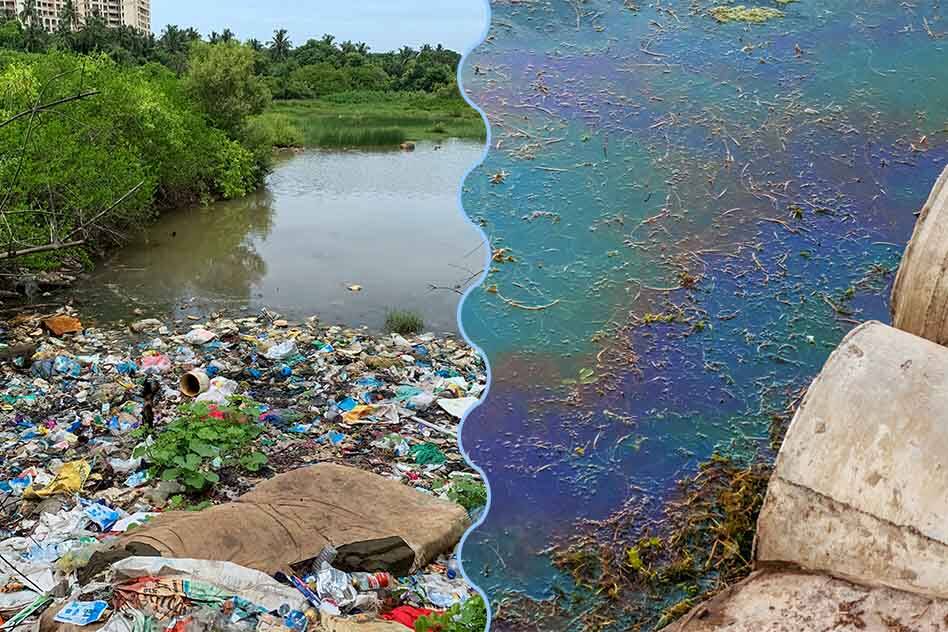 Surface Water Pollution Information
Chemical Fallout: The Invisible Poison
Then there’s the really nasty stuff: industrial chemicals, pesticides, and pharmaceuticals that slip into groundwater. These aren’t just gross—they’re smart. They bioaccumulate, meaning they climb the food chain. A tiny amount of mercury in plankton becomes a dangerous dose in a tuna steak. And guess who’s at the top of that chain? Your lunch. If you eat fish, you’re a walking chemical museum.
I’m not saying you should panic—just maybe don’t drink from a factory runoff pipe. But seriously, groundwater pollution is insidious because you can’t see it. One leaky gas station tank or a backyard pesticide bottle can contaminate an entire aquifer for decades. That’s your drinking water, by the way. And unlike my fishing creek, you can’t just switch to a different spot.
But Wait, There’s Hope (Really)
Before you spiral into eco-despair, here’s the weird part: water is resilient. Sometimes it bounces back faster than we expect. Look at the Cuyahoga River in Ohio—it literally caught on fire from pollution in 1969. Today, people kayak there and fish for bass. That happened because people yelled loud enough and laws got passed. We can fix this, but only if we stop treating water like an infinite trash can.
Simple things help: cut back on plastic, don’t pour cooking oil down the drain, and maybe rethink that “perfect” lawn. Your creek, your fishing spot, your own tap—they’re all connected. That’s the truth, and it’s both terrifying and comforting. Because it means every time you choose a reusable bottle or skip the pesticide, you’re not just being a good person. You’re saving a bluegill for some kid’s memory. And honestly? That’s worth more than a thousand clean lawns.
