What Are The Solutions Of Water Pollution

Okay, let’s talk about something that’s gross but important: water pollution. You know, that stuff that makes your “refreshing” river look more like a murky soup? We’ve all se...
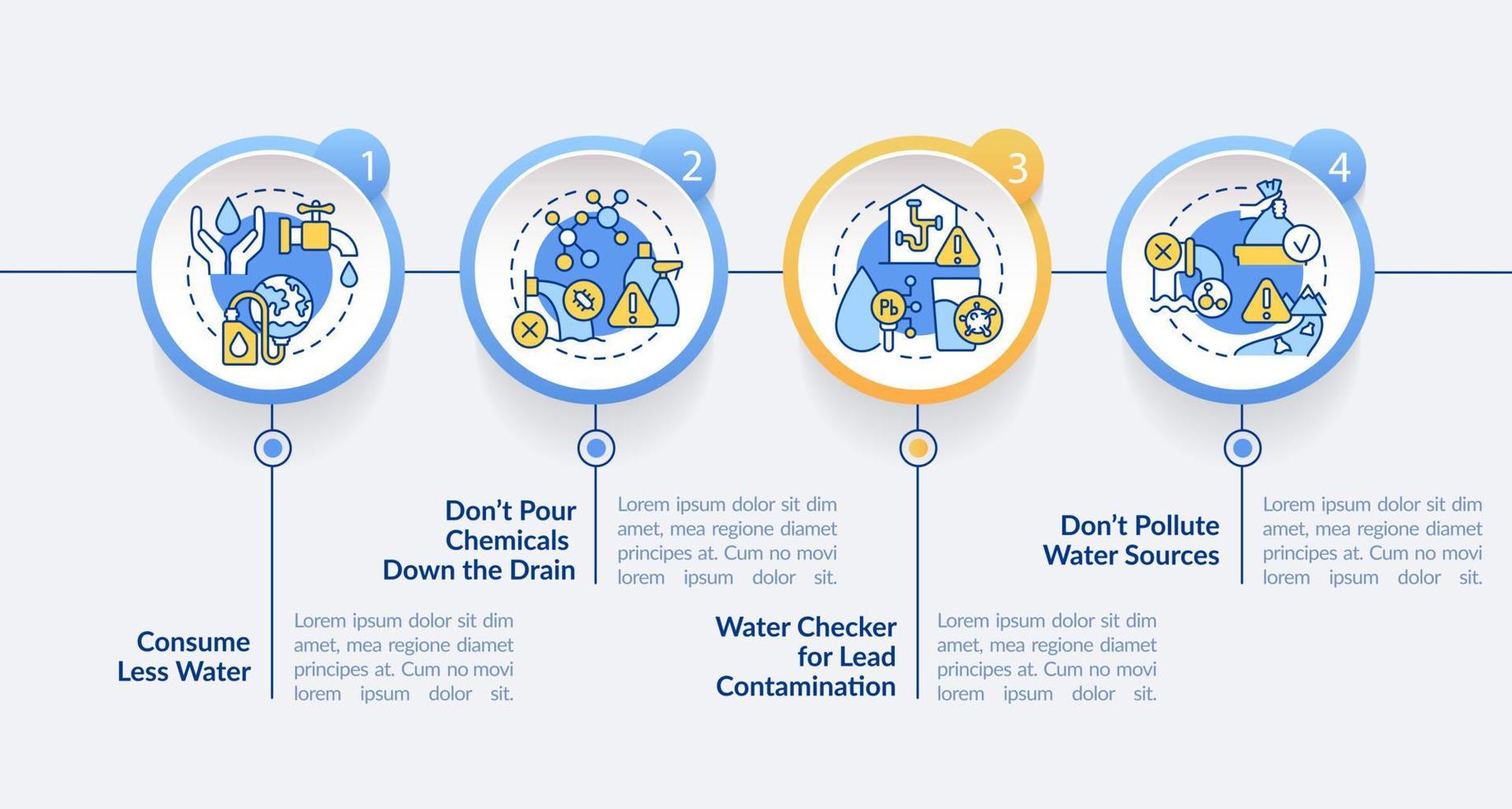
Okay, let’s talk about something that’s gross but important: water pollution. You know, that stuff that makes your “refreshing” river look more like a murky soup? We’ve all seen the memes of trash-filled beaches and chemical sludge.
But here’s the thing: we’re not doomed to swim in a toilet bowl forever. There are actual solutions, and they don’t all require you to live in a treehouse eating berries.
Ready to feel a little hopeful—and maybe a little disgusted? Let’s dive in. (Pun absolutely intended.)
Must Read
First, Let’s Stop Making the Problem
The best solution is always to prevent the mess in the first place. Think of it like not spilling coffee on your white shirt—way easier than scrubbing it out.
So, what’s the biggest culprit? Runoff. When it rains, everything from dog poop to engine oil gets a free ride into rivers.
Want a fix? Plant some trees. Seriously, trees soak up dirty water like a sponge. They act like nature’s Brita filter.
Oh, and stop flushing your leftover pills down the toilet. I know, it’s convenient. But that “tiny” dose of Advil can mess with fish hormones. (Imagine fish with anxiety, yikes.)
The “Gross but Effective” Fix: Better Sewage Treatment
Here’s a hard truth: 80% of the world’s wastewater flows back into nature untreated. That’s basically a world where everyone uses the bathroom outside, all the time.
The fix? Modern sewage plants. These magical facilities separate the poop from the water, kill the germs, and release clean water back to rivers.
Sure, it’s not sexy. But neither is drinking from a river that smells like a diaper factory. Let’s build more of these, okay?
Tackling the Invisible Pollution
Plastic trash is easy to spot—it’s the floating bottle you see on vacation. But what about the microplastics you can’t see? They’re in your salt, your beer, and probably your bloodstream right now. (You’re welcome for that mental image.)
Solution? Filter your washing machine. A shocking amount of microplastics come from synthetic clothes (hello, yoga pants). Add a simple mesh bag or filter to catch those fibers before they escape.
Another hidden problem: agricultural runoff. Farmers use fertilizer to grow crops, but rain washes it into lakes, creating toxic algae blooms. It turns water into bright green slime that kills everything.
How do we fix that? Smart farming. Use slow-release fertilizers, plant buffer strips of grass along waterways, and rotate crops. It’s like giving the soil a diet and a gym membership.
 What Is Solution For Water Pollution at Nathan Kingsbury blog
Let’s Get High-Tech (and Low-Tech)
Sometimes the solution is absurdly simple. In many parts of the world, people use floating wetlands—basically rafts made of plants. The roots absorb heavy metals and chemicals like a green vacuum cleaner.
Other times, we need big machines. Ozone treatment uses gas to zap pollutants into nothingness. It’s like a Pac-Man for toxic sludge.
But my favorite gadget? The Seabin. It’s a floating trash can that sits in marinas and swallows plastic, oil, and even tiny bits of fishing line. It looks like a cute robot from a Pixar movie, but it works.
The “You” Part (Don’t Panic)
You might be thinking: “I’m just one person. What can I do?” A lot, actually. And it doesn’t involve holding a sign in the rain (though kudos to those who do).
Pick up one piece of trash every time you walk near water. Seriously, just one. It’s the emotional equivalent of a single high-five for the planet.
Buy less stuff wrapped in plastic. That ‘convenient’ pre-chopped salad? The container will outlive your grandchildren. Choose glass or bulk bins.
And for the love of all that is holy, don’t pour cooking grease down the sink. It solidifies into “fatbergs” that block sewers. Imagine a giant, waxy iceberg made of bacon grease and wet wipes. That’s a fatberg. Stop it.
The Secret Weapon: Your Voice
Here’s the playful irony: politicians actually listen when they’re scared of being yelled at. Call your local representative and say: “Hey, I’d like clean water, please. You know, for drinking?”
Support laws that ban single-use plastics or fund river cleanups. It’s like voting with a side of righteous anger. Feels good.
Even better? Join a community watershed group. These are the lovable nerds who wade into streams in waders and test for bacteria. They need your help—and they probably have snacks.
So, what’s the final answer to water pollution? It’s a lot of little things, done by a lot of people, before the problem gets huge. Think of it like brushing your teeth—nobody does it once and expects a perfect smile forever.
You don’t have to be perfect. You just have to be less messy. And maybe plant a tree while you’re at it. Cheers to drinking water that doesn’t taste like regret.
