Should My Water Softener Be Full Of Water

You glance over at your water softener and pause mid-sip of your coffee. It’s just sitting there, humming softly, and you can’t help but wonder: Should my water softener be fu...
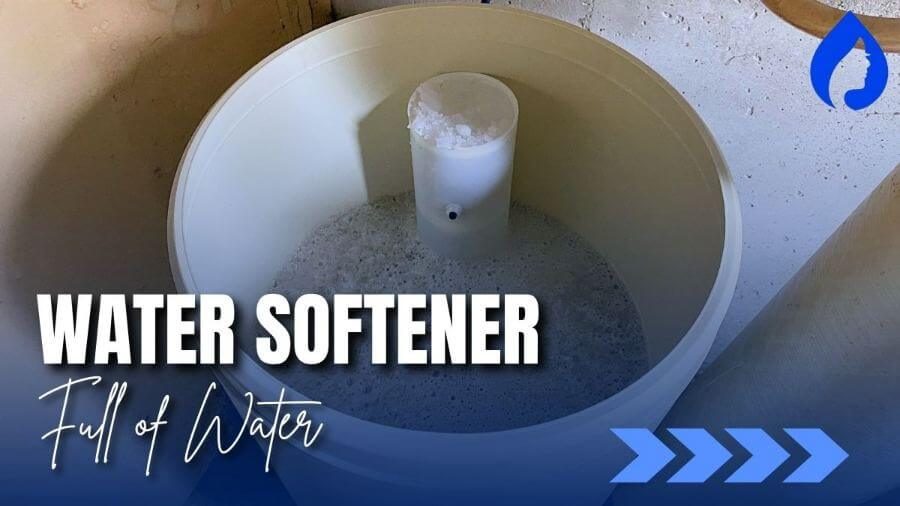
You glance over at your water softener and pause mid-sip of your coffee. It’s just sitting there, humming softly, and you can’t help but wonder: Should my water softener be full of water? It’s a fair question, because the inside of that tank looks like a little aquarium—minus the fish, plus a whole lot of salt. Let’s dive in, but don’t worry, we’re keeping things chill.
The Short Answer: Yes, It’s Actually Normal
If your water softener looks like it’s holding a bath, that’s usually a good sign. The brine tank—the one where you dump the salt—is supposed to have water in it during certain stages of the cycle. Think of it as a soaking pit for salt, creating a salty brine that cleans the resin beads inside your system.
Without water, those resin beads can’t get their deep-clean rinse. So, a tank full of water? It’s like your softener saying, “I’m doing my job, buddy.”
Must Read
But Wait, There’s More to the Story
Now, here’s where it gets interesting: how full of water is it? A little water sitting at the bottom—like two to six inches—is perfectly normal. That’s the leftover brine from the last regeneration cycle, just chilling until the next one.
But if the tank looks like a swimming pool—brimming almost to the top—that’s a different vibe. Too much water can mean a clogged drain, a stuck float valve, or a faulty control head. It’s like your softener forgot to take a breath.
Why It’s Cool That Water Is There
Here’s the science part, and it’s actually pretty neat. That water is the heart of the “softening” magic. When salt dissolves, it creates a brine solution that flushes away hard minerals like calcium and magnesium. Without water, your softener is just a giant salt shaker—useless.
Compare it to a washing machine: you wouldn’t run a load without water, right? Same deal here. The water in your softener is the delivery system for the cleaning power. It’s like a water park for your pipes.
When to Raise an Eyebrow
Let’s say you open the lid and see water and a solid block of salt that looks like a hockey rink. That’s called “salt bridging,” and it happens when the water level is too low or the salt gets crusty. The water can’t reach the salt, so your softener stops working—and then the water level might actually drop.
On the flip side, if your softener is constantly full and you hear gurgling sounds? That’s a drain issue. It’s like a sink that won’t unclog—annoying and a sign something’s stuck. Check your drain line for kinks or blockages.
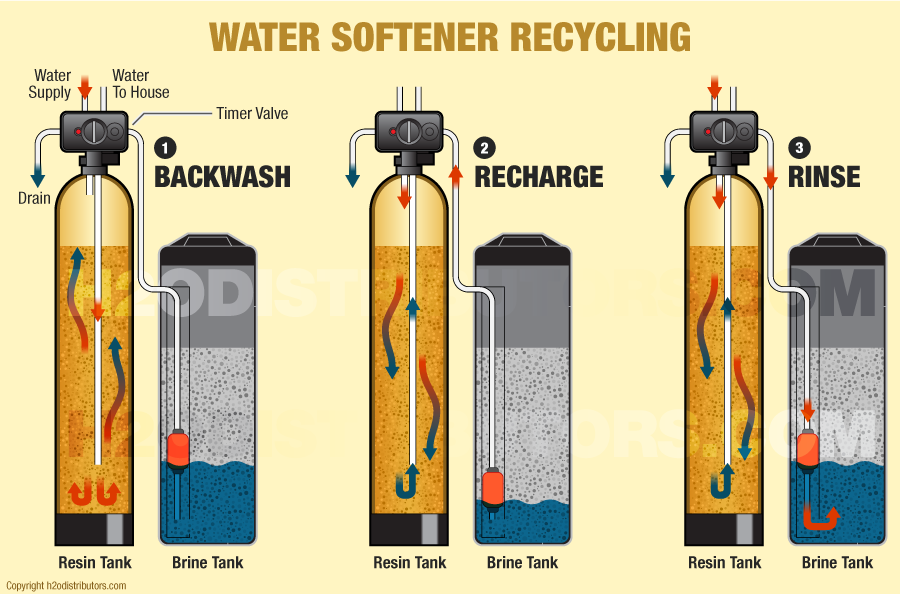 How Does A Water Softener Work Step By Step | Detroit Chinatown
A Fun Comparison: The Goldfish Bowl
Imagine your water softener as a goldfish bowl. The salt is the fish food, and the water is the environment. If the bowl is too empty, the fish (your softener) can’t eat or swim. If it’s too full, the water might overflow—and nobody wants a salty spill on the basement floor.
Most systems are designed to self-regulate, like a smart aquarium. They fill up during the regeneration cycle, then drain down. If you catch it mid-cycle, you’ll see more water than usual—that’s expected.
How to Check Without Panic
Here’s a quick, no-stress test: wait until nighttime or a time when your softener hasn’t run for a few hours. Open the lid and look at the water level. It should be below the salt line, maybe an inch or two deep. If the salt looks wet but not swimming, you’re golden.
If the water level is above the salt—like the salt is taking a floaty vacation—then it might be time to call a pro. Also, check the brine tank fill setting on your control panel. Some systems let you adjust it.
The Final Sip of Coffee
So, should your water softener be full of water? Yes, a little bit. It’s the unsung hero of that silky shower feeling you love. A full tank isn’t a bug—it’s a feature, as long as it isn’t a flood.
Next time you peek inside, give it a nod: “Hey, you’re just doing your thing.” And if it looks too full, don’t stress—just check the drain or the float. Your water softener isn’t mysterious; it’s just a thirsty machine that loves a good soak.
