Nsf International Certified Water Filters

Okay, let’s be real for a second. Tap water can be a bit of a mystery, right? Is it delicious? Is it weird? I once had a glass that tasted faintly of swimming pool, and that’s...
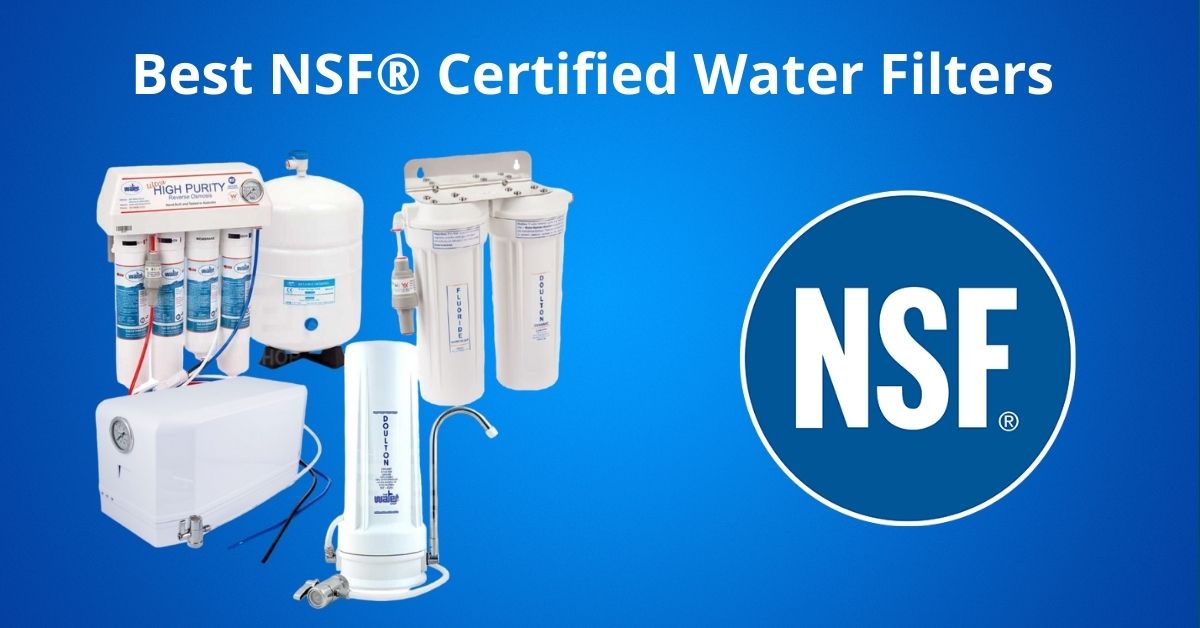
Okay, let’s be real for a second. Tap water can be a bit of a mystery, right? Is it delicious? Is it weird? I once had a glass that tasted faintly of swimming pool, and that’s a vibe I really wasn’t looking for.
That’s probably why you’ve been eyeing those fancy water filters. But then you see a sticker that says “NSF International Certified,” and your brain goes, “Ugh, another acronym? I just want good water!”
Don’t worry. We’re going to break this down like we’re gossiping over coffee. By the end, you’ll be the coolest, most hydrated person at the party.
Must Read
So, What Even is NSF International? (And Why Should You Care?)
Imagine you’re buying a pair of hiking boots online. You can’t try them on, and the seller says, “Trust me, they’re awesome!” You’d be a little suspicious, right?
That’s where NSF International comes in. They’re like that super-honest friend who actually reads the manual. They’re an independent group that tests things to make sure they do what they promise.
When a water filter has the NSF stamp of approval, it means a team of serious scientists (in lab coats, probably with pocket protectors) poked, prodded, and stressed that filter to the max. They don't take shortcuts.
What Does “Certified” Actually Do For Your Glass of Water?
Think of it this way: a generic filter might just make the water look clear. An NSF Certified filter has proven it can remove specific bad guys. Lead, chlorine, mercury, and even some gross pesticides—poof, they’re gone.
It’s not just magic. The NSF tests claim like “removes 99% of lead.” A non-certified filter can say that on the box with a wink. An NSF certified filter has to pass a real, brutal test to earn that right.
So, when you see that little blue NSF logo, you’re not just buying a filter. You’re buying peace of mind. And peace of mind tastes a lot better than chlorine, I promise.
The Secret Code: NSF Standards (Don't Panic, It's Easy)
Here’s where it gets a tiny bit nerdy, but I’ll keep it fun. NSF has different “standards” for different problems. Think of them as superhero categories.
You’ll see numbers like NSF 42 and NSF 53 a lot. Don’t let the numbers scare you—they’re actually your best friends.
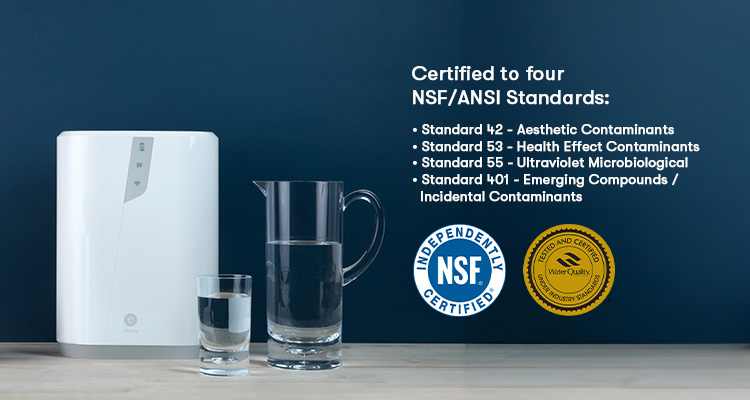
- NSF 42 (The Taste & Smell Hero): This standard is all about aesthetics. It means the filter makes your water look, smell, and taste better. Goodbye, weird “pool” flavor. Hello, crisp, cold deliciousness.
- NSF 53 (The Health Hero): This one is a big deal. NSF 53 means the filter can reduce health-related contaminants like lead, cysts (those tiny parasites that make you regret camping trips), and VOCs (chemical nasties).
- NSF 401 (The New Kid on the Block): This handles the modern stuff—things like pharmaceuticals and certain chemicals found in cleaning products. It’s the “I live in the 21st century” certification.
So, if you see a filter with NSF 42, 53, AND 401? That filter isn’t just a hero. It’s basically the Avengers in a plastic casing.
Why You Shouldn’t Buy a “No-Name” Filter (A Cautionary Tale)
I once bought a cheap filter off the internet. It was the price of a fancy latte. The box said it could filter “everything bad.” Sounded great, right?
Wrong. After a month, the water tasted fine, but I tested it. The lead level didn’t drop at all. The filter was basically a decoration. It was lies. Lies and sad, lead-filled water.
 eSpring Interview: Rick Andrew, NSF Expert
A filter without NSF certification is a gamble. It might work. It might be a plastic tube filled with magic beans. Why take that chance with your body, right?
The Real-World Magic of Using One
Let’s get practical. You get a certified filter—a pitcher, a faucet mount, or even a whole under-sink system. You install it. It’s usually laughably easy, even for someone like me who struggles with IKEA furniture.
Then you pour a glass. The first sip is almost comically better. It’s clean. It’s refreshing. You’ll suddenly become that person who drinks a gallon of water a day without even trying.
You’ll also save money on plastic bottles. And the planet? She’ll send you a polite thank-you note in the form of fewer bottles in the ocean. Plus, you won’t have to carry heavy cases of water from the grocery store anymore. Your back will cheer.
But Wait—Is It Expensive?
Here’s the best part. NSF certified filters cost a few bucks more upfront. But they last. You change them every few months, not every two weeks like the cheap ones.
And think of the savings on bottled water. Let’s say you used to buy two cases of water a week. That’s like $10-$20. With a filter, you pay pennies per gallon. It’s literally better water for your wallet and your health.
It’s the rare “win-win” that doesn't involve a free puppy.
The Uplifting Conclusion (You Knew It Was Coming)
So next time you’re wandering down the water aisle or scrolling through Amazon, ignore the flashy pictures of waterfalls and zen gardens. Look for the words “NSF International Certified.”
That little logo isn’t boring. It’s a superhero cape. It’s a promise that you’re not just getting wet water—you’re getting water that’s been checked, double-checked, and given a gold star by the strictest teachers in the world.
Go ahead. Pour yourself a tall, cold glass of certified, clean, life-giving H2O. Toast to your smart decision. Raise your glass and say, “I’m hydrated, I’m protected, and my water doesn’t taste like a swimming pool.”
You deserve water that works as hard as you do. Cheers to that!
