How Often Should Water Filters Be Changed

Let’s be real: we all want that crisp, clean glass of water—the kind that tastes like it came from a mountain spring, not from a dusty pipe. But here’s the thing: your water f...
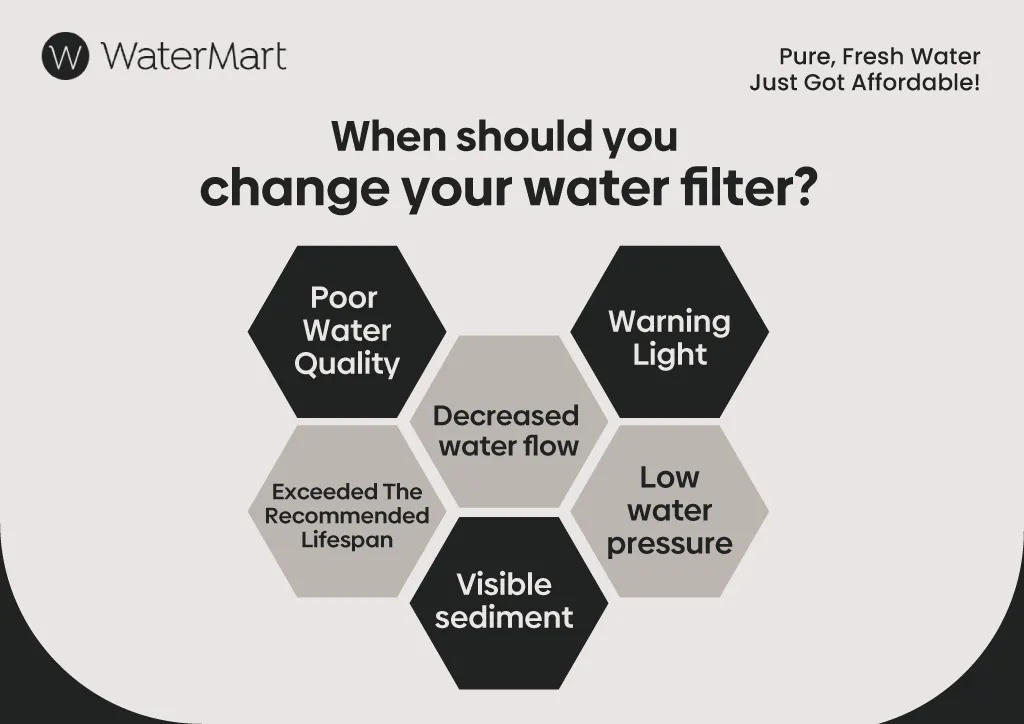
Let’s be real: we all want that crisp, clean glass of water—the kind that tastes like it came from a mountain spring, not from a dusty pipe. But here’s the thing: your water filter is not a magic box that lasts forever. It’s more like a hardworking sponge that eventually gets full of gunk. If you forget to swap it out, you’re basically sipping last week’s leftovers.
Think about it this way: you wouldn’t wear the same pair of socks for three months straight. Your filter feels the same way. It’s trapped dirt, sediment, and who-knows-what-else to keep your water tasting fresh. But after a while, it gets tired. It starts to release all that stuff back into your glass. Gross, right?
So, how often is “often enough”?
The short answer is: every two to six months, depending on your filter type. But don’t zone out—let’s break it down with real-life examples. A standard pitcher filter, like the one sitting in your fridge, usually needs changing every 40 gallons or about two months. If you’re a thirsty family of four chugging water like you just ran a marathon, that time shrinks fast.
Must Read
For faucet-mounted filters or under-sink systems, the rule is typically three to six months. But here’s the twist: if your tap water is especially hard, rusty, or full of sediment, you’re going to burn through filters quicker. It’s like driving a car in a sandstorm—your air filter will clog up way sooner than the manual says.
And don’t get me started on refrigerator filters. They usually last about six months, but most of us ignore the blinking light until the ice starts tasting like last night’s meatloaf. Don’t be that person.
The “But I Forgot” Story
Let me tell you about my friend Dave. Dave had a Brita pitcher that he hadn’t changed in eighteen months. He bragged that the water still tasted “fine.” One day, I took a sip and—I kid you not—it tasted like a damp basement mixed with old pennies. Dave was shocked. He’d just gotten used to the funky flavor. Your taste buds will adjust to anything, but that doesn’t mean it’s good for you.
That stale taste is actually a sign that bacteria and mold can start building up inside the filter. Manufacturers don’t put those “change me” stickers on as a prank—they’re there because old filters become a breeding ground for germs. So if you notice a weird smell, a slower flow, or a cloudy glass, it’s time to say goodbye.
Why should you actually care?
Look, nobody loves spending money on replacement filters. But think of it like this: a fresh filter is cheap insurance for your body. It removes chlorine, lead, and other nasties that can affect everything from your energy to your skin. A spent filter does the opposite—it can release trapped contaminants back into your water, making it dirtier than tap water.
 How Often Should You Be Changing Your Water Filters? - Best Advisor
Plus, great water makes everything better. Your morning coffee will taste richer, your tea will be smoother, and you’ll actually want to hydrate. That’s a win-win. Compare that to the cost of buying bottled water every week? You’ll save money and the planet by sticking with a clean, well-maintained filter.
Quick cheat sheet for the forgetful
Set a recurring reminder on your phone. I have one that says “It’s filter day, dummy!” and it makes me smile every time. You can also write the date on the new filter with a Sharpie when you install it. That way, you’ll see it and remember.
If you use a pitcher, listen to the flow. When it starts gurgling like a sleepy baby, it’s probably time. For fridge filters, pay attention to that little red light or indicator—it’s not just decoration. And if you’re someone who drinks a ton of water (good for you!), mark your calendar for every three months instead of six.
What if you’re lazy? (No judgment)
I get it. Life is busy. You’re juggling work, kids, and a Netflix queue that’s out of control. But here’s a tiny experiment: pour a glass of water from your current filter and a glass straight from the tap. Swirl both, smell them, then taste. If the filtered water doesn’t taste noticeably better, your filter is toast.
If you can’t even remember when you last swapped it, just buy a new one today. It’s a small act of self-care that takes two minutes. Your taste buds, your kidneys, and your future self will thank you. And hey, after reading this, you’re too informed to go back to drinking that sad, basement-flavored water. You’ve got this.
