French Drain For Water Softener Discharge

Let’s be honest: water softeners are the unsung heroes of modern plumbing. They banish that chalky scum from your coffee pot and make your hair feel like silk, but they also p...
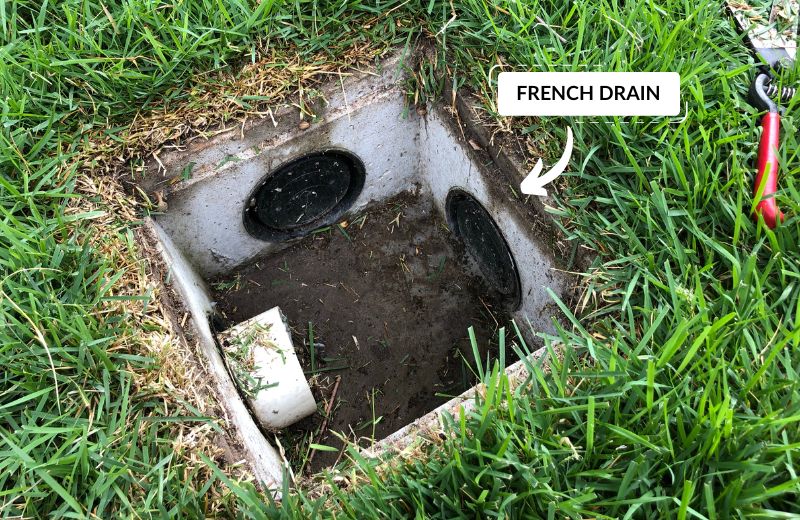
Let’s be honest: water softeners are the unsung heroes of modern plumbing. They banish that chalky scum from your coffee pot and make your hair feel like silk, but they also produce a salty, briny discharge that can wreak havoc on your yard. Enter the French drain—a humble, underground trench that’s about to become your lawn’s new best friend.
The concept sounds fancy, but it’s deceptively simple. A French drain is just a gravel-filled ditch with a perforated pipe at the bottom, designed to whisk water away from where it doesn’t belong. Think of it as the plumbing equivalent of letting go of a grudge: redirect the flow, and everything stays peaceful.
You might be wondering, “Why can’t I just let the softener drain onto my lawn?” The short answer is salt. That mineral-rich runoff can turn your grass into a crispy, brown patch of regret—like sprinkling margarita salt on a delicate moss garden.
Must Read
In many areas, local regulations actually require you to divert water softener discharge away from your septic system or storm drains. This isn’t just bureaucratic flapdoodle; it’s about protecting groundwater from sodium overload. A French drain offers a quiet, low-tech solution that keeps you on the right side of both the law and your landscaping.
How to Build Your Own Underground Spa for Brine
First, pick a spot that’s at least 10 to 20 feet from your foundation and any trees you’re fond of. You want the water to percolate into the soil, not trickle into your basement or drown the roots of that beloved Japanese maple.
Dig a trench about 12 to 18 inches deep and 6 to 12 inches wide, sloping it slightly downhill. This isn’t a job for a trowel—rent a trenching shovel or a mini-excavator if you’re feeling fancy. Pro tip: Call 811 first to mark any underground utilities. Heroism is great; drilling through a gas line is not.
Line the trench with landscape fabric to prevent dirt from clogging the gravel. Then, lay down a perforated PVC pipe (4 inches is standard), wrap the fabric over it, and backfill with clean, washed gravel. The water flows into the pipe, and the gravel acts like a natural filter—think of it as a spa for your discharge.
The Cultural Touch: A French Drain by Any Other Name
Ironically, the French drain isn’t actually French. It was popularized by an American farmer and judge named Henry French in the 1850s. So while you might imagine a beret-wearing engineer sipping espresso while digging, the truth is more Nebraska cornfield chic. Still, it’s a charming mental image.
And speaking of charm: if you’re in a dry climate, that salty water might even be a boon for certain plants. Some succulents and salt-tolerant varieties (like ice plant or sea thrift) actually thrive on the occasional mineral bath. You’d be creating a tiny, science-approved microclimate.
Just don’t get too creative. Using a French drain for softener discharge is a bit like adding hot sauce to a fine wine: a little can be interesting, but too much ruins everything. Test your soil annually to monitor salt levels, especially near your vegetable garden.
Practical Tips to Keep You Dry and Happy
Use a pop-up emitter at the end of your drain to keep critters and debris from nesting inside. Raccoons love a good pipe tunnel—they’re basically furry teenagers looking for adventure. A simple mesh screen or cap can save you from a very weird plumbing discovery later.
 Installing a Water Softener System Part 1
Consider pairing your French drain with a dry well—a deeper pit filled with gravel that gives the water room to spread out. This is like giving your drain a spacious living room instead of a narrow hallway. It’s luxury plumbing, and your lawn will thank you.
If you have heavy clay soil, you might need a larger gravel bed or a longer trench. Clay is the gossip queen of dirt—it holds onto everything and lets very little escape. Amend it with sand or compost near the drain zone to improve percolation.
For the eco-conscious, consider a potassium chloride softener instead of sodium. It’s slightly more expensive, but it’s better for plants and soil microbiology. Think of it as the organic kale smoothie of water softening—good intentions with measurable results.
Fun Facts to Drop at Dinner Parties
Did you know that a typical water softener regeneration cycle can dump 50 to 100 gallons of brine into your drain? That’s the equivalent of a standard bathtub full of salty soup. Your French drain handles that volume without breaking a sweat.
Some municipalities in California and Texas now require zero-discharge softeners entirely. If you’re in those areas, you’ll need a separate brine recycling system. But for most of us, a well-placed French drain is the Goldilocks solution—just right.
And here’s a little French drain trivia: the earliest known version dates back to ancient Persia, where they used clay pipes to drain marshes. So you’re not just doing plumbing; you’re channeling 2,500 years of human ingenuity. Très élégant.
A Short Reflection on Daily Life
There’s something quietly satisfying about a French drain. It’s invisible, unglamorous, and entirely functional—like a good night’s sleep or a well-edited playlist. It works best when you don’t think about it.
In a world of smart gadgets and over-engineered solutions, the French drain reminds us that sometimes the best fix is a hole in the ground filled with rocks. It’s humble, honest, and deeply practical—just like the best parts of daily life. So go ahead, let your water softener do its thing. Your lawn will stay green, your conscience will stay clear, and you’ll have one less thing to worry about while sipping that perfectly soft water.
