Is Soda Water The Same As Sparkling Water

So there I was, at a fancy dinner party. I asked the host for soda water with a lime wedge. He raised an eyebrow and handed me a bottle of sparkling water. “Same thing, right?...

So there I was, at a fancy dinner party. I asked the host for soda water with a lime wedge. He raised an eyebrow and handed me a bottle of sparkling water. “Same thing, right?” I said, trying to sound casual. He just smiled that “oh, you poor thing” smile. That moment haunted me. I had to know: is soda water really the same as sparkling water? Or was I just a carbonated con artist?
The Short, Buzzy Answer
No, they are not the same—but the difference is sneaky. Both are carbonated, meaning they have carbon dioxide gas dissolved into them. The key? Soda water has added minerals (like potassium bicarbonate or sodium citrate) to mimic natural spring water. Sparkling water, on the other hand, is usually just plain water that’s been carbonated. Think of soda water as the dressed-up cousin of sparkling water, wearing a slightly salty mineral necklace.
And yes, I can already hear you asking: “But what about club soda?” (Hold that thought—we’ll get to it.) The main takeaway is that soda water gets a tiny mineral boost for taste and mouthfeel. Sparkling water is the minimalist hipster of the bunch—no extras, just bubbles.
Must Read
Where the Confusion Comes From
Labels are a mess—I’ll be the first to admit it. In the U.S., “soda water” and “sparkling water” are often used interchangeably in bars and grocery stores. But technically, seltzer is the real wildcard here: it’s plain carbonated water with no added minerals. That makes seltzer closer to sparkling water than to soda water.
So if you order a “vodka soda” at a dive bar, you’re getting seltzer—which is technically sparkling water. But if you order “soda water” at a high-end cocktail joint, you might get the mineral-added version. Convenient, right? (Sarcasm intended.)
The Mineral Mystery: Why It Matters
That tiny pinch of minerals in soda water changes the flavor dramatically. It makes soda water taste slightly saltier or more “round” on your tongue. Sparkling water (or seltzer) tastes crisp, neutral, and sharp—like a clean glass of nothing with bubbles. A famous blind taste test once revealed that most people can’t tell the difference unless they sip them side-by-side. But if you have a sensitive palate, you’ll notice—especially if you’re mixing cocktails.
For example, a gin and tonic made with club soda (a fancy type of soda water) tastes different than one made with plain sparkling water. Club soda adds a slight mineral backbone that elevates the botanicals. Meanwhile, sparkling water lets the gin shine solo. Which is better? That’s like asking if you prefer your jokes dry or with a twist. (I’m a twist guy, personally.)
The Big Names: Club Soda, Seltzer, Tonic Water
Let’s untangle this family tree, shall we? Club soda is just soda water with extra minerals added, often for a more “silky” feel. Seltzer is pure water + CO2—no minerals, no fuss. Tonic water is a whole different beast: it’s carbonated water with quinine and sugar, so it’s not in the same category at all. And mineral water (like Perrier or San Pellegrino) comes from a natural spring with its own unique mineral profile—it’s sparkling water’s fancy, geological cousin.
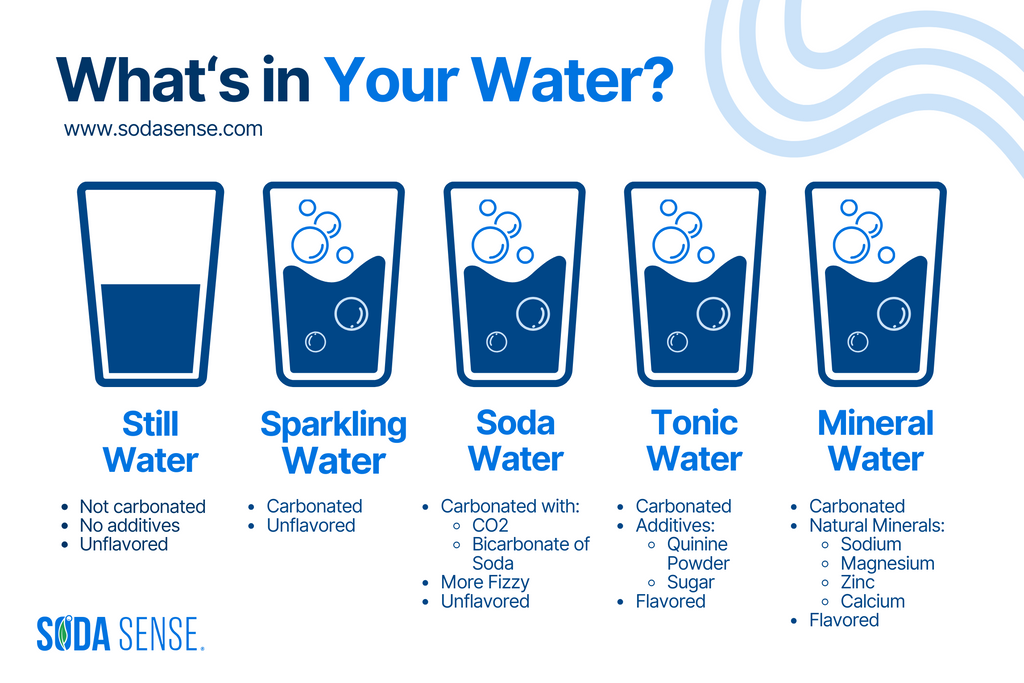 Sparkling Water Vs Soda Water: What’S The Difference? – PNSWG
So if you grab a bottle of Perrier, you’re drinking naturally carbonated mineral water. If you grab a can of LaCroix, that’s simply sparkling water (or seltzer, if you’re being pedantic). And if you grab a can of Schweppes Club Soda, that’s soda water with added minerals. See? It’s like a carbonated soap opera.
Does It Really Matter for Your Health?
Honestly? Not much. Both are basically water with bubbles, so they’re hydrating and have zero calories (unless you’re drinking tonic water—sugar alert!). The mineral content in soda water is negligible—it won’t make or break your electrolyte balance. The only real difference is taste and, maybe, a slight sodium kick in some brands of club soda. So if you’re watching your salt intake, check the label. Otherwise, drink whatever bubbles your boat.
One ironic twist: many people assume sparkling water is “healthier” because it sounds more natural—but soda water’s minerals are generally safe and sometimes even beneficial. Unless you’re a hardcore purist, this is a non-issue.
The Bottom Line (Because You’ve Got Better Things to Do)
If you want a fizz that tastes pure and simple, grab sparkling water or seltzer. If you want a slightly more complex, mineral-y bubble that mixes well with cocktails, go for soda water or club soda. And if you’re at that same dinner party I was at—say “sparkling water” and avoid the judgmental eyebrow raise. You’ll be correct 99% of the time.
But let’s be real: when you’re thirsty on a hot summer day, you’re not going to notice the difference between soda water and sparkling water. Your brain just goes: “Cold. Bubbly. Gimme.” And that’s perfectly okay. The real question is whether you want lime or lemon. (The answer is always lime.)
So next time someone at a party tries to school you on this, you can nod knowingly and say, “Actually, it’s a matter of mineral composition.” Then take a sip of your club soda and walk away. You’re welcome.
