Water Filtration System That Removes Lead

Ever turned on your tap and wondered what's actually in that clear liquid? You’re not alone. One big concern that’s been making headlines is lead lurking in old pipes. It soun...
Ever turned on your tap and wondered what's actually in that clear liquid? You’re not alone. One big concern that’s been making headlines is lead lurking in old pipes. It sounds scary, but here’s the cool part: there’s a water filtration system that takes that nasty metal right out.
So, why is lead such a big deal?
Think of lead as that uninvited guest who ruins the party. It’s a heavy metal that can mess with your brain, especially in kids, and it’s totally tasteless. You wouldn’t know it was there without a test, which is why filtration is like having a superhero for your sink.
The thing is, lead doesn't just dissolve away on its own. It needs a specific kind of technology to grab it and hold it tight. That’s where these special filters come in, and they’re way cooler than a fancy water bottle.
Must Read
How does it actually work? (Spoiler: super nerdy chemistry)
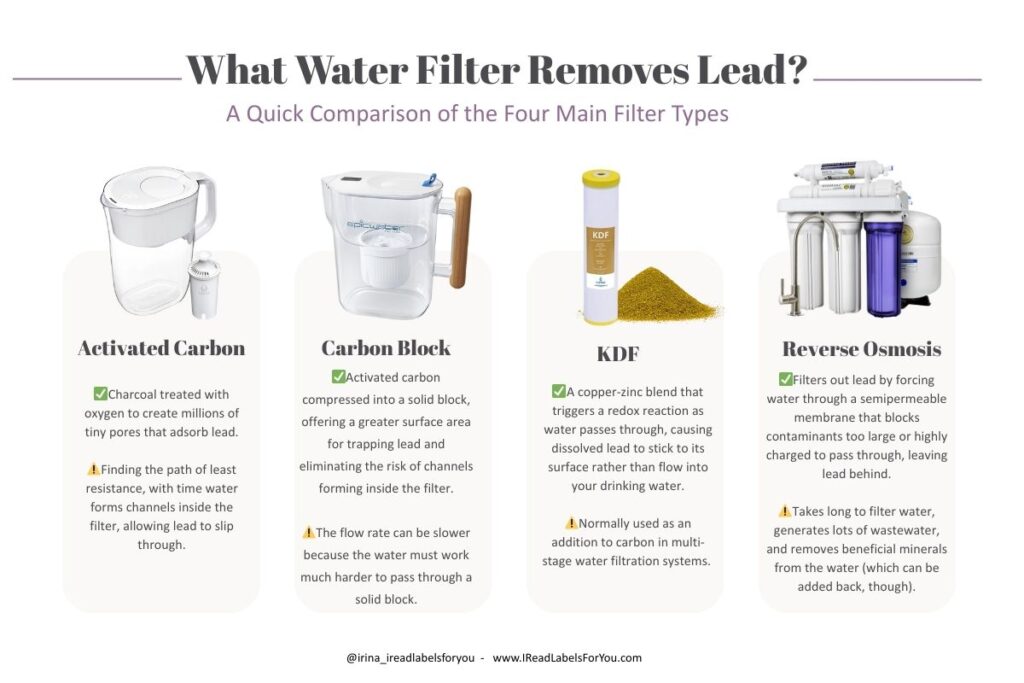
Imagine your tap water is a busy highway, and lead ions are tiny, toxic cars driving around. A good lead-removing filter uses something called ion exchange or activated carbon. It’s like having a glowing, invisible magnetic net that snags those lead cars and swaps them for harmless minerals like sodium or potassium.
Other filters use a special resin that’s designed to be obsessed with lead. It’s like a microscopic version of a gold rush miner, but instead of gold, it hoards dangerous heavy metals and won’t let go. Pretty neat, right?
And let’s not forget reverse osmosis. This one is the overachiever. It shoves water through a super-tight membrane that’s basically a velvet rope for contaminants. Lead tries to sneak in, but the bouncer (the membrane) says, “Nope, not tonight.”
Fancy science aside, why should you care?
Because your brain and body prefer to be lead-free. It’s not just about tasting better—it’s about keeping your family safe from a silent, sneaky toxin. Lead issues are most common in older homes (built before the 1980s), so if your house has wrinkly pipes, this filter is like a time machine that fixes yesterday’s problems.
Imagine drinking water that’s cleaner than what comes out of a plastic jug at the store. These filters can remove up to 99% of lead, which is like having a personal bodyguard for every glass you pour. Suddenly, tap water feels a lot more glamorous.
But wait—isn’t bottled water safer?
Here’s a spicy truth: bottled water isn’t always tested for lead as tightly as you’d think. Plus, plastic bottles can leak chemicals into the water after sitting in a hot truck. A home filtration system that removes lead is like having your own source of premium water, minus the plastic waste and the price tag. It’s a win for your wallet and the planet.
 Woder WD-D-5K-FRM-ADV-DC Fluoride Removal Dual Stage Under Sink Direct
And because we’re friends, let me tell you a secret: many whole-house carbon filters actually miss lead. That’s why you need a specific filter—like a point-of-use pitcher or an under-sink system—that’s certified to National Sanitation Foundation (NSF) Standard 53 for lead removal. Don’t just grab any filter off the shelf; check the label!
Is it hard to set up? (Spoiler: nope)
You don’t need a plumbing degree. Most lead-removing faucet filters twist right on, like a fancy bottle cap. Pitcher filters with lead-removing cartridges are even easier—fill, wait, and pour. It’s about as complicated as making toast, but with a much bigger payoff.
Some systems even have a little indicator light that tells you when the filter is tired. No guesswork, no forgetting. Just clean, confident water every time you turn the handle.
The fun comparison: filter vs. lead
Think of lead like glitter at a craft party. Once it gets into the mix, it’s nearly impossible to get out without a really good vacuum. Your filter is that superhero vacuum. While regular tap water might have tiny specks of that glitter (lead), your filtered water is a glitter-free zen zone.
It’s also like comparing a fuzzy, old TV antenna to a 4K streaming service. The old pipes (antenna) give you static and noise (lead). The filter (streaming) gives you crisp, perfect picture (great water). You wouldn’t watch a fuzzy movie, so why drink fuzzy water?
Honestly, once you see how simple it is to remove lead, you’ll wonder why everyone isn’t doing it. It’s peace of mind in a glass—and that’s the coolest thing about modern chemistry. So go ahead, give your tap a filter upgrade. Your future self will thank you.
