Water Filtration Science Project Explanation

Okay, let’s be honest. When someone says “water filtration science project,” your brain might flash back to a dusty classroom diorama or a kid with a plastic bottle and a sock...
Okay, let’s be honest. When someone says “water filtration science project,” your brain might flash back to a dusty classroom diorama or a kid with a plastic bottle and a sock. But here’s the thing: that humble little project is basically a superhero origin story for something you use every single day. And it’s way cooler—and easier to relate to—than you might think.
Think about your morning coffee. You probably pour water into that machine without a second thought. But what if that water looked like the stuff from a muddy puddle after a thunderstorm? Suddenly, your coffee isn’t just coffee; it’s a life-changing elixir. A water filtration project is like teaching your coffee maker a few magic tricks, starting with simple, everyday materials. And the best part? You don’t need a lab coat. You just need a little curiosity and a jar.
Why Should You Care? (Hint: It Involves Your Taste Buds and Wallet)
Let me ask you this: have you ever bought a fancy bottled water because the tap water tasted a little like a swimming pool? You’re not alone. We’ve all done it. That weird, metallic or “chlorine-y” taste? That’s exactly what a simple filter can help fix. A basic science project shows you how activated charcoal (like the stuff in fish-tank filters) can grab those off flavors and yank them right out of your drink. It’s like giving your water a tiny spa day.
Must Read
And here’s where your wallet comes in. One standard water filter cartridge costs a few bucks. A year of buying bottled water? That’s like buying a small spaceship. By understanding how filtration works—even just from a kid’s science fair—you start seeing that clean water isn’t a luxury, it’s a science you can DIY for pennies. Plus, you’ll never look at a coffee filter the same way again. It’s not just for coffee; it’s for saving the planet one plastic bottle at a time.
The “Dirty Sock” Experiment (and Why It Works)
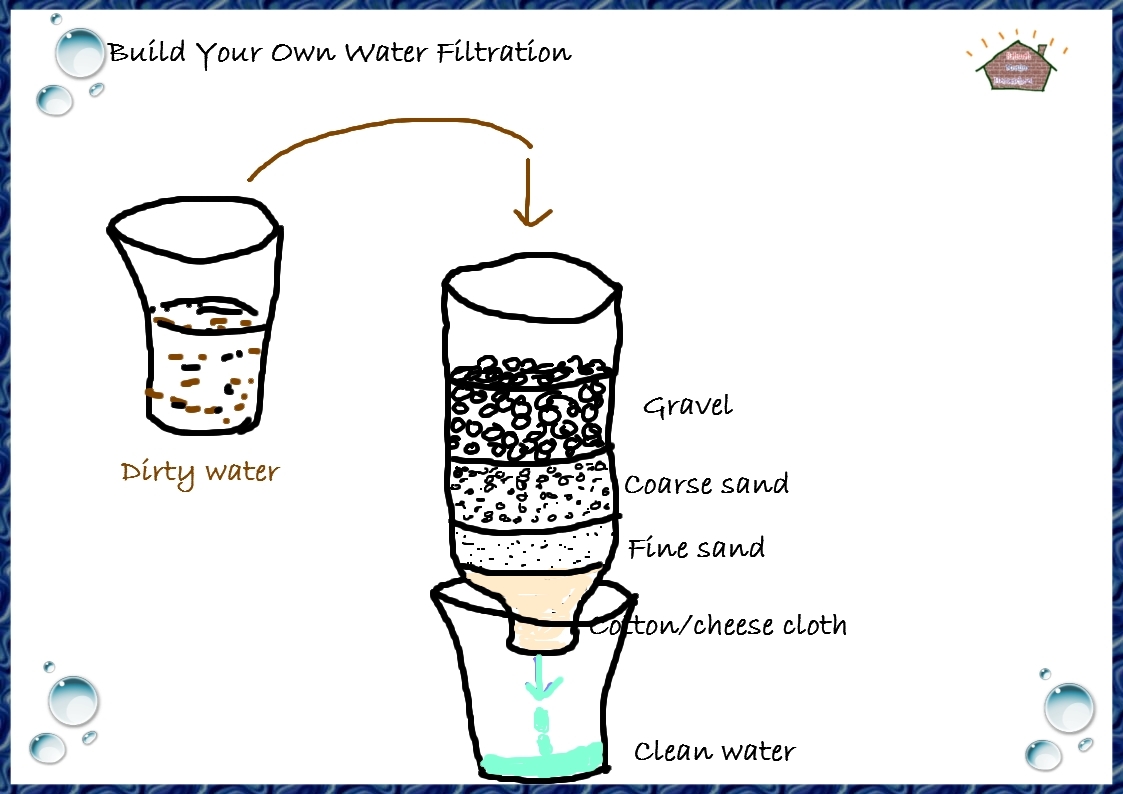
Remember that old science project where you stacked a soda bottle with gravel, sand, and a cotton ball? You poured in murky, dirt-filled water and watched it come out clearer. It seems simple, but it’s actually a powerful lesson. The gravel catches the big stuff—think twigs or dead leaves. The sand traps the medium-sized dirt. And the cotton ball? That’s the final bouncer at the club, stopping the tiny specks from crashing the party.
But here’s the funny part: the “clean” water from that project was still dirty by today’s standards. It couldn’t catch invisible germs or chemicals. That’s why real filters use activated carbon or special membranes—things that work on a microscopic level. But the principle is the same: you’re just stacking obstacles for the bad stuff. It’s like making a maze for a mouse, except the mouse is a piece of sand and the maze is a coffee filter.
A Little Story: The Pond Water Incident
My neighbor’s kid did this project last summer. He collected pond water from the park—green, slimy, and smelling like a forgotten gym sock. With his dad, he built a basic filter using a plastic bottle, a cut-off shirt, and some charcoal from the barbecue. After a slow drip-drip-drip, they collected a cup of water that was mostly clear. The kid was ecstatic. He declared it “drinkable.” His dad wisely said, “Let’s not test that theory, son.”
 Water Filtration Chemistry Project Infographic | LivePhysics™
But the real magic wasn’t the clear water. It was the “aha!” moment. The kid realized that stuff floating in water isn’t just gross; it can be removed. He now checks the expiration date on his fridge’s filter. He asks why his shower head gets clogged. He’s connecting the dots between a project and the world. That’s the gold. And you can have that same moment by trying it yourself—without the pond scum, of course.
From Your Sink to the Stream
Now, here’s why this matters way beyond your kitchen counter. Did you know that billions of people don’t have access to clean tap water? They have to boil it, treat it, or walk miles to a well. A simple science project isn’t a solution for that, but it’s a gateway to understanding the problem. When you know how to clean mud from water using a sock and some sand, you start appreciating the genius of modern plumbing. You stop taking your faucet for granted.
And let’s be real: it’s also great for camping. If you’re stuck in the woods and your bottle runs dry, knowing how to improvise a filter—using a bandanna, grass, and charcoal from your campfire—could keep you from drinking a mouthful of forest floor. It’s a survival skill disguised as a school project. So when your kid (or your inner child) wants to turn the kitchen into a muddy laboratory, roll with it. You’re not just building a filter; you’re building curiosity.
The Real Takeaway
At its heart, a water filtration science project is about trust. Trust that the water coming out of your tap is safe. Trust that you can make something better if it’s not. Trust that a little charcoal and a cotton ball can achieve something surprisingly useful. It’s not magic—it’s physics, chemistry, and a bit of patience all working together in a plastic bottle.
So go ahead. Grab a bottle, some sand, and a dirty glass of water. See what happens. You might not solve the world’s water crisis, but you’ll definitely win the award for “Most Interesting Thing to Happen in the Kitchen This Week.” And maybe—just maybe—you’ll look at your drinking glass with a little more respect. Because science isn’t scary. Sometimes, it’s just a really good cup of filtered water.
